2026 Fuel Economy: The Honest Guide to Real-World Savings
Tired of gas station sticker shock? Discover the most fuel-efficient 2026 vehicles and learn how to maximize your real-world MPG without the dealership hype.
There is a quiet magic in the open road—the way the horizon stretches out, promising new beginnings, and the hum of an engine working in perfect harmony with the pavement beneath you. For many American families, the car is more than just a machine; it is the vessel for weekend getaways, the reliable partner for the daily commute, and a significant investment in your household's future. In 2026, as fuel prices fluctuate and the market shifts toward more complex powertrains, understanding your vehicle's true efficiency is no longer just about saving a few dollars at the pump—it is about reclaiming your freedom and making a choice that aligns with your budget and your lifestyle.
The Reality of 2026 Fuel Economy Ratings When you walk onto a dealership lot, you are often greeted by bold, eye-catching numbers on window stickers.
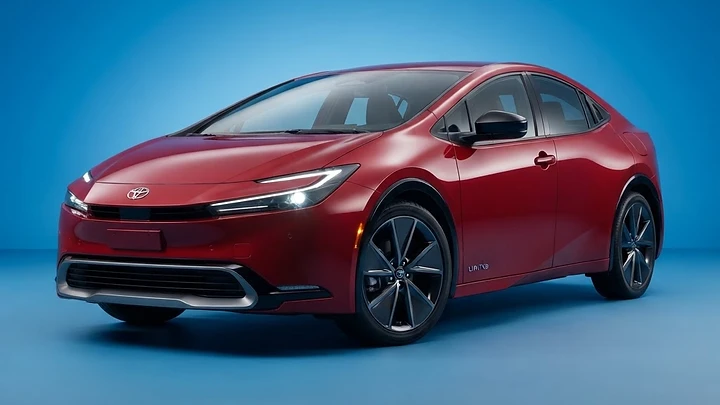
These EPA-estimated figures are helpful benchmarks, but they are laboratory results, not necessarily your daily reality. In 2026, the industry has seen a massive pivot toward hybrid technology, which has fundamentally changed how we calculate efficiency. Models like the 2026 Toyota Prius, which boasts an impressive 57 mpg combined, prove that you no longer have to sacrifice style or performance to achieve elite fuel economy. However, it is vital to remember that your driving habits—heavy acceleration, excessive idling, and even the weight of the cargo you carry—play a massive role in whether you hit those advertised numbers. 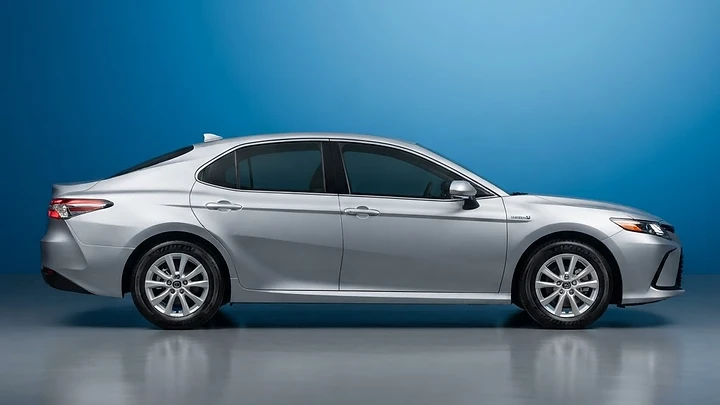
Hybrid vs.
Gas: The Efficiency Trade-Off For years, the debate between traditional internal combustion engines and hybrids was simple: hybrids were for city dwellers, and gas cars were for highway cruisers. Today, that line has blurred. The 2026 Toyota Camry, now exclusively a hybrid, offers a seamless transition for buyers who want reliability without the complexity of a plug-in system. Meanwhile, non-hybrid compacts like the 2026 Honda Civic continue to impress, with some variants reaching 41 mpg on the highway. If you are a high-mileage driver, the upfront premium of a hybrid often pays for itself within a few years of ownership. But if you drive fewer than 10,000 miles annually, a highly efficient gas-powered vehicle might actually offer a better long-term value proposition when you factor in the lower initial purchase price. 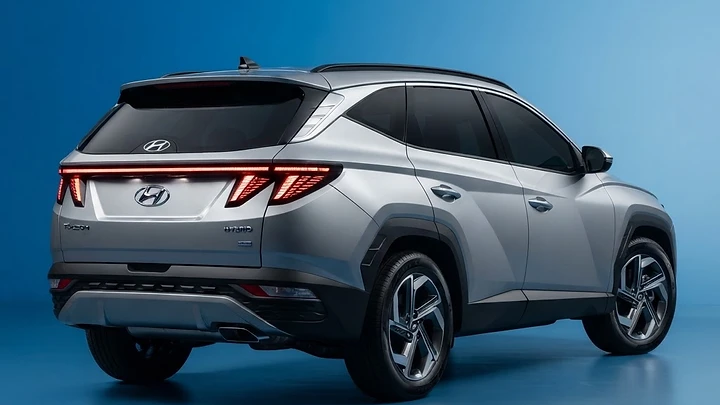

How to Maximize Your Miles Today You don't need a new car to start saving money on fuel.
Small, consistent changes in how you interact with your vehicle can yield surprising results. First, check your tire pressure monthly; under-inflated tires create unnecessary rolling resistance that forces your engine to work harder. Second, embrace the 'momentum' driving style—anticipating traffic lights and coasting to a stop rather than braking hard preserves both your brake pads and your fuel. Finally, clear out the trunk. That extra 100 pounds of gear you have been hauling around is essentially a permanent passenger that is costing you money every single mile. 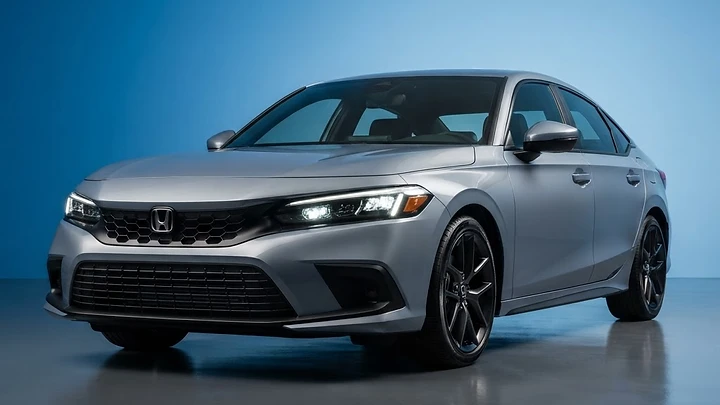

Choosing the Right Vehicle for Your Life Efficiency is only one piece of the puzzle.
A car that gets 50 mpg is not a 'deal' if it doesn't fit your family's car seats or your cargo needs. When shopping, look at the 'combined' MPG rating as your primary guide, as it offers a balanced view of city and highway usage. If you are looking at SUVs, consider the 2026 Toyota Corolla Cross Hybrid, which manages to provide the utility of a crossover with the fuel-sipping nature of a sedan. Always ask for a test drive that includes both stop-and-go traffic and highway speeds to see how the vehicle's transmission and engine mapping handle your specific commute. 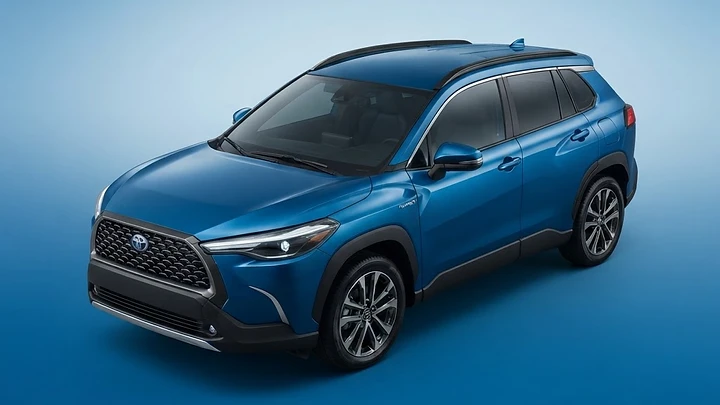

Frequently Asked Questions
Can I achieve a car’s advertised MPG in the real world?
Yes, but it requires mindful driving. EPA ratings are based on standardized tests; real-world factors like extreme weather, hilly terrain, and aggressive driving will cause your actual mileage to vary. #
Is a hybrid always more economical than a gas car?
Not necessarily. You must calculate the 'break-even' point. If the hybrid version of a car costs $3,000 more than the gas version, you need to determine how many years of fuel savings it will take to recoup that extra cost. #
Do larger tires affect my fuel economy?
Yes. Larger, heavier wheels and tires increase rotational mass and aerodynamic drag, which can lower your fuel economy by 1-3 mpg depending on the vehicle. #
Does 'Eco Mode' actually save gas?
Yes, it works by softening throttle response and adjusting climate control settings to reduce the load on the engine, making it a great tool for steady highway cruising.
The Bottom Line The best car for your wallet is the one that balances your specific needs with long-term reliability.
If you prioritize maximum efficiency, the 2026 Toyota Prius remains the gold standard. If you need more space, the 2026 Toyota Camry or the 2026 Hyundai Tucson Hybrid offer excellent compromises. Do not let dealership pressure push you into a vehicle that is 'efficient' but impractical for your daily life. Take your time, run the numbers, and choose a vehicle that makes every mile feel like a smart investment.
The cars in this story
The real price and honest verdict on each one
- 2026 Toyota CamryMid-Size Sedan · from $28,850
- 2026 Toyota PriusCompact Sedan · from $28,550
- 2026 Toyota CorollaCompact Sedan · from $22,475
- 2026 Toyota Corolla CrossCompact SUV · from $24,210
More car news

Mastering Fuel Economy: The 2026 Honest Efficiency Guide
Stop overpaying at the pump. Discover how 2026 driving habits, maintenance, and vehicle choices can slash your fuel costs and maximize your real-world MPG.

Best Gas Mileage Cars 2026: The Honest Efficiency Guide
Searching for the best gas mileage cars in 2026? We break down the most efficient non-hybrid and hybrid models to help you save money at the pump today.

2026 Fuel Economy: The Honest Guide to Real-World Savings
Stop guessing at the pump. Discover which 2026 vehicles actually deliver on their fuel economy promises and how to maximize your miles for real savings.