Mastering Fuel Economy: The 2026 Honest Efficiency Guide
Stop overpaying at the pump. Discover how 2026 driving habits, maintenance, and vehicle choices can slash your fuel costs and maximize your real-world MPG.
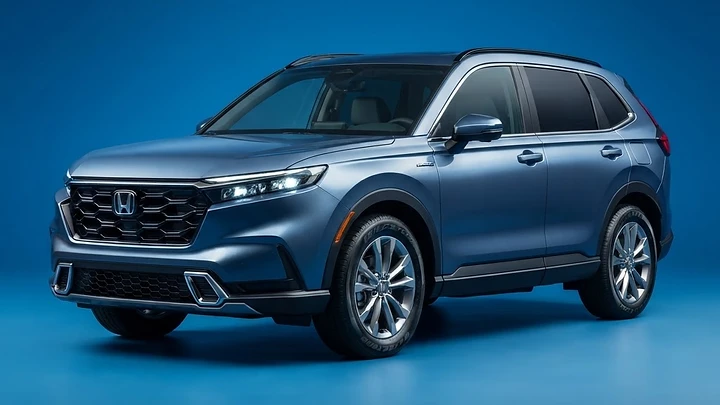
There is a quiet magic in the open road—the way the horizon stretches out, promising new experiences, family memories, and the freedom to explore. Yet, for many American families, that sense of wonder is often dampened by the rising cost of every mile traveled. In 2026, fuel economy isn't just a technical specification on a window sticker; it is a vital component of your household budget and your long-term financial peace of mind. Whether you are piloting a rugged SUV through mountain passes or navigating the daily urban grind, understanding how to master your vehicle's efficiency is the key to reclaiming your hard-earned money.
The Physics of Your Fuel Bill Understanding fuel economy starts with acknowledging that your car is a machine governed by the laws of physics.
Every time you press the accelerator, you are asking your engine to overcome inertia, friction, and aerodynamic drag. In 2026, we have seen incredible advancements in powertrain technology, but the most significant variable remains the driver. Research consistently shows that aggressive driving—rapid acceleration and hard braking—can reduce fuel economy by 15% to 40% in city traffic. By simply smoothing out your inputs, you allow the engine to operate in its most efficient power band, saving you hundreds of dollars annually.
The Hidden Cost of Speed and Drag We often treat highway speed limits as mere suggestions, but your fuel gauge tells a different story.
Aerodynamic drag increases exponentially with speed; once you push past 60 mph, every additional mile per hour exacts a steeper tax on your fuel tank. Dropping your cruising speed from 75 mph to 65 mph can improve your fuel economy by 6 to 7 miles per gallon, depending on your vehicle. Furthermore, external accessories like roof racks and cargo carriers act as sails, creating massive drag even when empty. If you aren't using them, take them off. 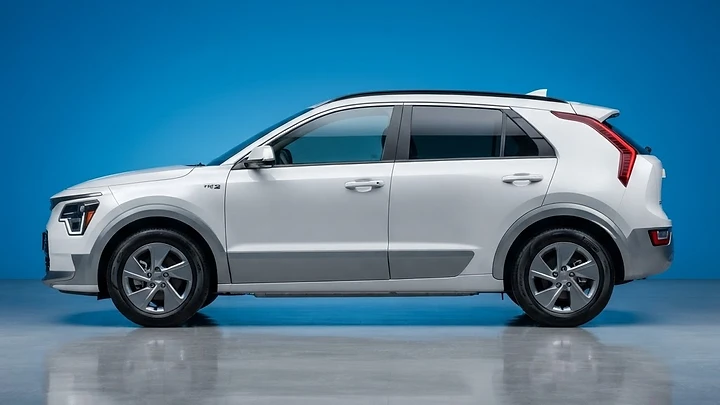
Maintenance: The Foundation of Efficiency Modern vehicles are marvels of engineering, but they still require basic care to perform at their peak.
A clogged air filter can choke your engine, reducing efficiency by up to 10%, while under-inflated tires increase rolling resistance, forcing your engine to work harder just to maintain momentum. Checking your tire pressure monthly is one of the most effective, low-cost ways to ensure you are getting the EPA-rated mileage your car was designed to deliver. Additionally, using the manufacturer-recommended motor oil grade—such as 0W-20—can improve fuel economy by 1% to 2% compared to thicker, outdated oils.
Smart Driving for the Modern Family Planning your trips is an underrated strategy for saving fuel.
Cold-start waste is real; engines are least efficient during the first few minutes of operation. By consolidating your errands into a single, well-planned trip, you minimize the time your engine spends warming up. In hot weather, parking in the shade or using a windshield sunscreen reduces the cabin temperature, meaning your air conditioning system doesn't have to work as hard to keep you comfortable. These small, intentional choices add up to significant savings over the life of your vehicle. 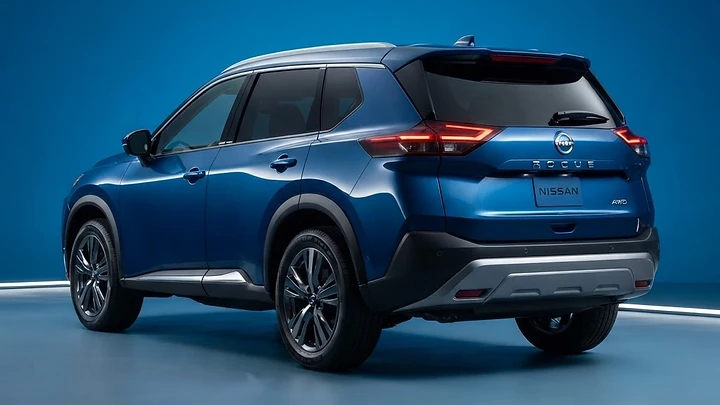

Choosing the Right Vehicle for Your Life If you are currently in the market for a new vehicle, the 2026 lineup offers unprecedented efficiency.
For those who need space, the 2026 Honda CR-V Hybrid remains a benchmark, offering a balanced 40 mpg combined. If you prioritize maximum efficiency, the 2026 Kia Niro Hybrid continues to lead its class with an impressive 53 mpg. However, remember that options like all-wheel drive or larger, upsized wheels can shave a few miles per gallon off your total. Always weigh your actual need for these features against the long-term cost of ownership. 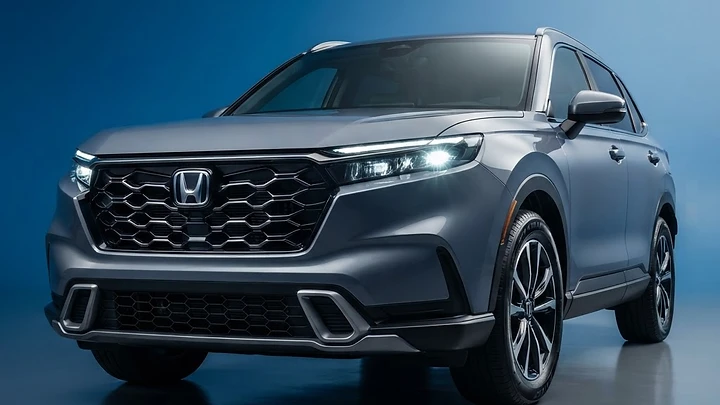

Frequently Asked Questions
Does using cruise control actually save gas?
Yes, in most highway scenarios, cruise control helps maintain a steady speed, which prevents the unnecessary acceleration and deceleration that wastes fuel. However, on hilly terrain, it is often more efficient to control the throttle manually to avoid the engine downshifting unnecessarily. #
Is it better to turn off my engine while waiting?
If you are going to be idling for more than 30 seconds, it is generally more fuel-efficient to turn the engine off. Modern starters and batteries are designed for frequent cycling, and the fuel saved by not idling far outweighs the negligible wear on your starter. #
Do premium fuels improve fuel economy?
Only if your vehicle specifically requires them. If your owner's manual recommends regular unleaded, using premium fuel will not improve your mileage or performance; it will simply increase your cost per mile. #
How much does air conditioning affect my MPG?
Using the A/C does place a load on the engine, typically reducing fuel economy by a few percent. On city streets, opening the windows is a viable alternative, but at highway speeds, the aerodynamic drag caused by open windows is often less efficient than using the A/C. 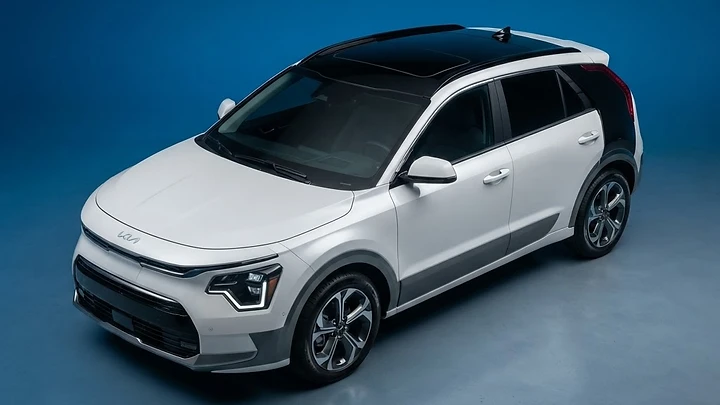

The Bottom Line Mastering fuel economy in 2026 is about more than just buying a hybrid; it is about cultivating a mindful relationship with your vehicle.
By maintaining proper tire pressure, smoothing out your driving habits, and removing unnecessary drag, you can reclaim thousands of dollars over the life of your car. Choose a vehicle that fits your actual needs, not just your aspirations, and remember that the most efficient car is the one that is well-maintained and driven with intention. Your wallet—and the open road—will thank you.
The cars in this story
The real price and honest verdict on each one
- 2026 Kia NiroCompact SUV · from $26,990
- 2026 Lucid AirLuxury Electric Sedan · from $70,900
- 2026 Nissan RogueCompact SUV · from $29,230
- 2026 Honda CR-VCompact SUV · from $30,920
More car news

2026 Fuel Economy: The Honest Guide to Real-World Savings
Tired of gas station sticker shock? Discover the most fuel-efficient 2026 vehicles and learn how to maximize your real-world MPG without the dealership hype.

Best Gas Mileage Cars 2026: The Honest Efficiency Guide
Searching for the best gas mileage cars in 2026? We break down the most efficient non-hybrid and hybrid models to help you save money at the pump today.

2026 Fuel Economy: The Honest Guide to Real-World Savings
Stop guessing at the pump. Discover which 2026 vehicles actually deliver on their fuel economy promises and how to maximize your miles for real savings.