2026 Fuel Economy: The Honest Guide to Real-World Savings
Tired of inflated MPG claims? Discover the most fuel-efficient 2026 vehicles and learn how to maximize your real-world gas mileage without the dealership hype.
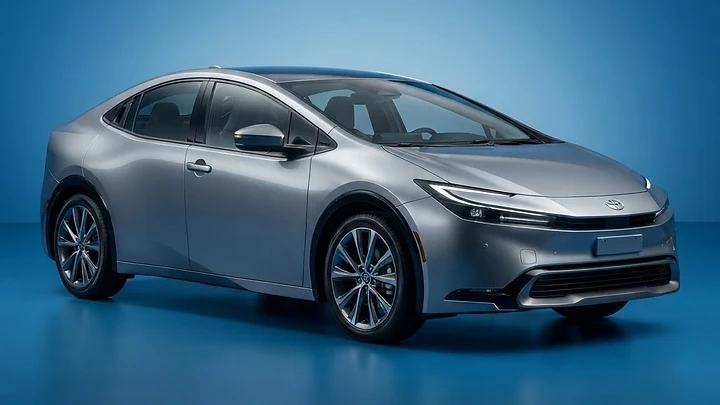
There is a specific kind of magic in the open road—the hum of the engine, the blur of the landscape, and the freedom that comes with a full tank of gas. Yet, for many American families, that freedom is increasingly tethered to the rising cost of fuel. In 2026, navigating the sea of EPA estimates and manufacturer promises can feel like a full-time job. At Carummah, we believe you deserve the truth about what your vehicle will actually cost to run. Whether you are eyeing a hybrid for your daily commute or a gas-powered SUV for weekend adventures, understanding real-world fuel economy is the key to long-term ownership value.
The Reality of EPA Estimates vs.
Real-World Driving It is important to remember that EPA fuel economy estimates are generated in controlled laboratory environments. While they provide a standardized baseline for comparing vehicles, they rarely account for the variables of your daily life: aggressive acceleration, stop-and-go traffic, extreme temperatures, and even the weight of the cargo you carry. For instance, while a 2026 Toyota Prius boasts an impressive 57 mpg combined, your actual mileage may fluctuate based on your driving style. If you are looking for efficiency, prioritize vehicles with high greenhouse gas ratings, but always subtract 5-10% from the official sticker number to get a more realistic expectation of your monthly fuel budget. 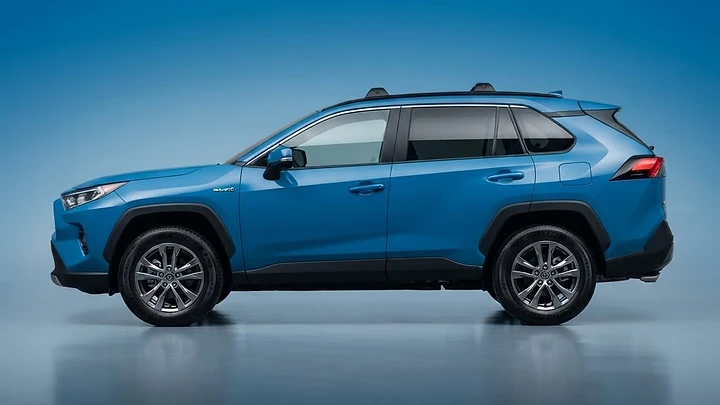

The Best Fuel-Efficient Non-Hybrid Options If you aren't ready to make the jump to a hybrid or electric vehicle, you aren't out of luck.
Several manufacturers have refined internal combustion engines to near-peak efficiency. The 2026 Nissan Rogue, for example, utilizes a sophisticated 1.5-liter turbocharged three-cylinder engine to lead the non-hybrid SUV class. Similarly, the 2026 Hyundai Elantra remains a standout for those who prefer a traditional sedan, offering up to 41 mpg on the highway. These vehicles prove that you don't need complex battery systems to keep your fuel costs manageable, provided you maintain consistent maintenance schedules, such as replacing air filters and keeping tires properly inflated. 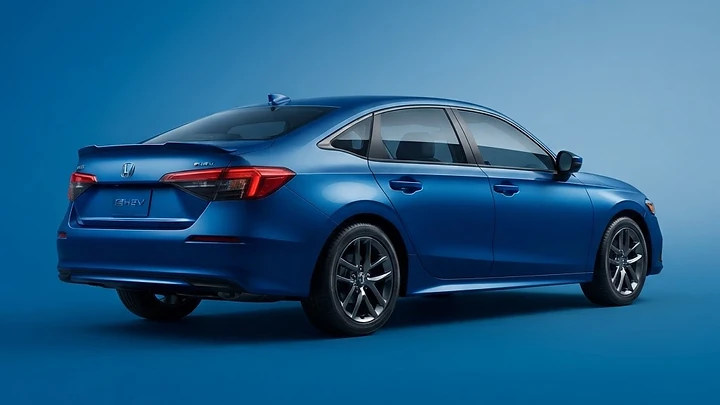

Hybrid Dominance: Why Efficiency is Now Standard The 2026 market has shifted significantly toward electrification.
Toyota has made the hybrid powertrain standard across many of its best-selling models, including the 2026 Camry and the 2026 RAV4. This is a massive win for consumers. By integrating electric motors with gas engines, these vehicles capture energy during braking—a process known as regenerative braking—that would otherwise be lost as heat. When shopping, look for models that offer hybrid variants as the base trim; this often provides the best "bang for your buck" regarding both purchase price and long-term fuel savings. 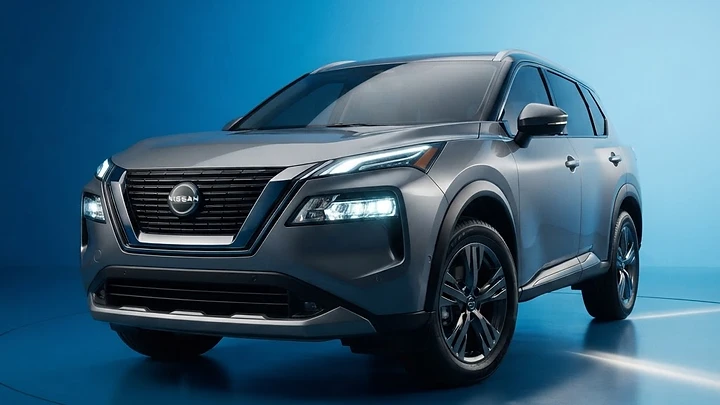

Smart Habits to Maximize Your MPG Regardless of what you drive, your behavior behind the wheel is the single biggest factor in fuel economy.
Rapid acceleration and hard braking are the enemies of efficiency. By planning your trips to combine errands, you allow your engine to reach its optimal operating temperature, which is significantly more efficient than taking multiple short, cold-start trips. Additionally, avoid the temptation to idle your car to "warm it up" in the winter; modern engines are designed to be driven gently immediately after starting. These small, conscious changes can save you hundreds of dollars annually at the pump. 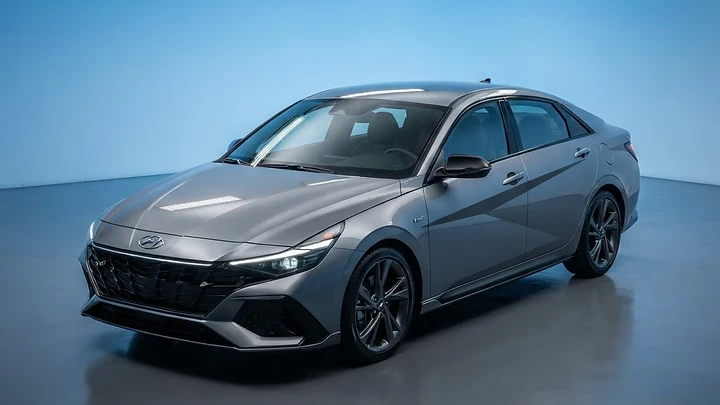

Frequently Asked Questions
Does using the air conditioning significantly lower my fuel economy?
Yes, running the A/C puts an extra load on the engine. In city driving, it can reduce your MPG by 5-10%. On the highway, using the A/C is often more efficient than driving with the windows down, as open windows create aerodynamic drag. #
Is it worth paying more for a hybrid if I mostly drive on the highway?
Hybrids are most efficient in stop-and-go city traffic. If your commute is 90% highway, the fuel savings of a hybrid may take longer to offset the higher initial purchase price compared to a highly efficient gas-powered sedan. #
Do I need premium fuel to get the best gas mileage?
Only if your vehicle's manual specifically requires it. Using premium fuel in an engine designed for regular gasoline will not improve your fuel economy or performance; it will simply increase your cost per mile.
The Bottom Line When shopping for a vehicle in 2026, look beyond the window sticker.
If you prioritize efficiency, the 2026 Toyota Prius remains the gold standard for hatchbacks, while the 2026 Honda Civic Hybrid offers a perfect balance of comfort and economy for sedan buyers. For families needing space, the 2026 Honda CR-V Hybrid provides a reliable, efficient, and practical solution. Our honest recommendation: calculate your actual driving habits before choosing. If you spend most of your time in city traffic, a hybrid is an investment that pays for itself. If you are a highway warrior, a modern, efficient gas-powered vehicle may offer the best value for your specific needs.
The cars in this story
The real price and honest verdict on each one
- 2026 Nissan RogueCompact SUV · from $29,230
- 2026 Toyota PriusCompact Sedan · from $28,550
- 2026 Hyundai ElantraCompact Sedan · from $22,625
- 2026 Toyota RAV4Compact SUV · from $31,900
More car news

2026 Fuel Economy: The Honest Guide to Real-World Savings
Tired of gas station sticker shock? Discover the most fuel-efficient 2026 vehicles and learn how to maximize your real-world MPG without the dealership hype.

Mastering Fuel Economy: The 2026 Honest Efficiency Guide
Stop overpaying at the pump. Discover how 2026 driving habits, maintenance, and vehicle choices can slash your fuel costs and maximize your real-world MPG.

Best Gas Mileage Cars 2026: The Honest Efficiency Guide
Searching for the best gas mileage cars in 2026? We break down the most efficient non-hybrid and hybrid models to help you save money at the pump today.