2026 Fuel Economy: How to Choose the Most Efficient Car
Master 2026 fuel economy. Discover which hybrids and gas-only models offer the best MPG to save you money at the pump without sacrificing your lifestyle.
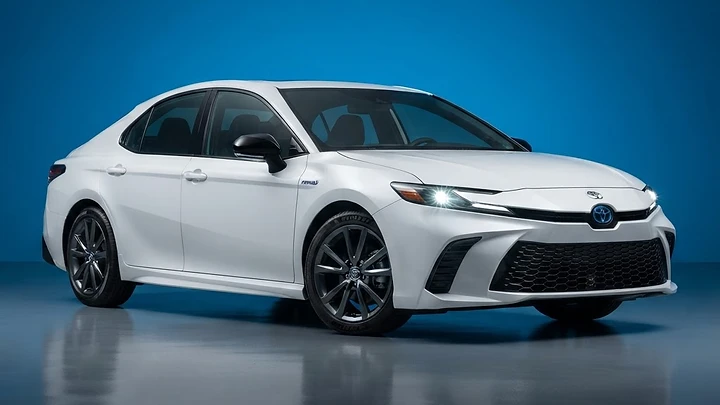
There is a quiet magic in the open road—the way the horizon stretches out, promising new experiences, and the hum of an engine working in perfect harmony with the pavement. For many American families, the car is more than just metal and glass; it is the vessel for weekend getaways, the reliable partner for the daily commute, and a significant investment in your future. In 2026, the conversation around fuel economy has shifted from a simple numbers game to a holistic look at how we balance performance, utility, and the true cost of ownership. Whether you are eyeing a sleek sedan or a versatile SUV, understanding how to maximize your miles per gallon is the first step toward smarter, more transparent car buying.
The 2026 Hybrid Revolution: Real-World Efficiency When we talk about fuel economy today, hybrids are no longer just a niche choice; they are the gold standard for efficiency.
Models like the 2026 Toyota Camry have set a high bar, consistently delivering over 50 MPG in combined driving conditions. Unlike the early days of hybrid technology, today’s systems are seamless, providing instant torque and a refined driving experience that feels both modern and powerful. For buyers, this means you no longer have to choose between a car that saves you money and a car that is actually fun to drive. The 2026 Hyundai Sonata Blue is another standout, often hitting the 51 MPG mark, proving that midsize sedans remain a powerhouse for those who prioritize long-term savings at the pump. 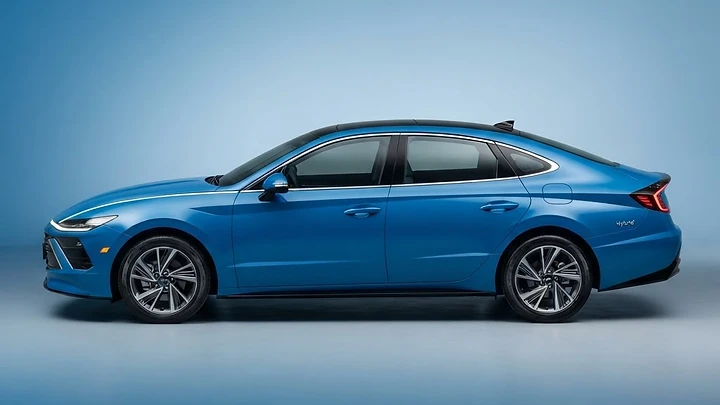
Beyond the Sticker: Why Real-World MPG Matters It is easy to get caught up in the EPA estimates printed on the window sticker, but those numbers are just the beginning.
Real-world fuel economy is influenced by a variety of factors, including your driving habits, the terrain you navigate, and even the cargo you carry. Aggressive acceleration and high-speed highway driving can drop your efficiency by 15% to 30%. Furthermore, adding roof racks or heavy cargo boxes creates aerodynamic drag that forces your engine to work harder. When shopping for your next vehicle, look for models that offer consistent performance across different driving environments. The 2026 Toyota Corolla Cross Hybrid, for instance, has gained a reputation for maintaining impressive efficiency even when loaded with family gear, making it a top contender for those who need utility without the fuel penalty. 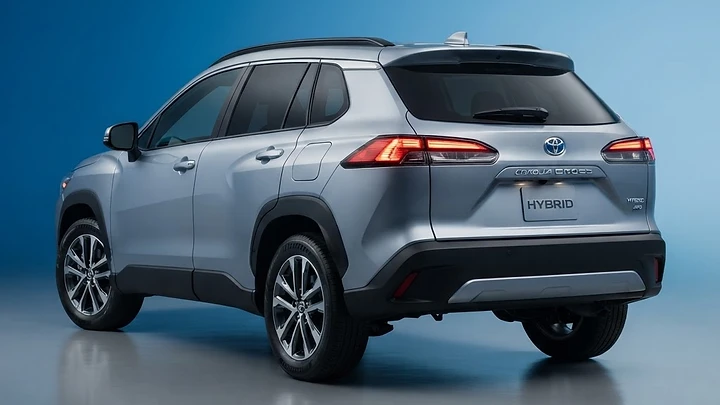

Choosing the Right Vehicle for Your Lifestyle Fuel economy is only one piece of the puzzle.
A car that gets 50 MPG is not a bargain if it doesn't fit your family's needs or if it lacks the safety features you require. When evaluating your options, consider the total cost of ownership. This includes insurance, maintenance, and the inevitable depreciation of the vehicle. A hybrid might have a slightly higher upfront cost compared to a gas-only counterpart, but the fuel savings over five years often tip the scales in favor of the hybrid. Always check the latest transaction data to see what people are actually paying, rather than just looking at the MSRP. Transparency in pricing is the key to avoiding dealership pressure and ensuring you get a deal that respects your budget. 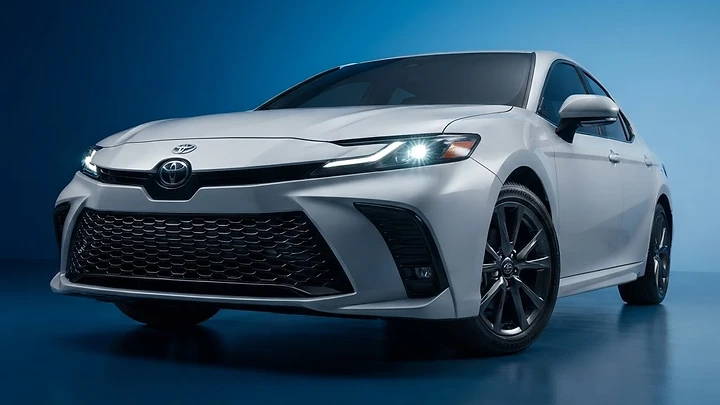

Frequently Asked Questions
Does idling my car help it warm up for better fuel economy?
No. Idling actually consumes more fuel and creates unnecessary pollution. Modern engines are designed to warm up most efficiently while being driven gently. #
How much does cargo weight affect my MPG?
Every extra 100 pounds in your vehicle can reduce your fuel economy by about 1%. External cargo, like roof boxes, has an even greater impact due to increased wind resistance. #
Are plug-in hybrids (PHEVs) better than standard hybrids?
It depends on your driving habits. If you have a short commute and can charge at home, a PHEV can allow you to drive on electricity alone for much of your daily travel, significantly boosting your overall efficiency. #
Do tires really impact fuel economy?
Yes. Under-inflated tires increase rolling resistance, which forces your engine to work harder. Keeping your tires at the manufacturer-recommended pressure is one of the easiest ways to maintain optimal MPG. 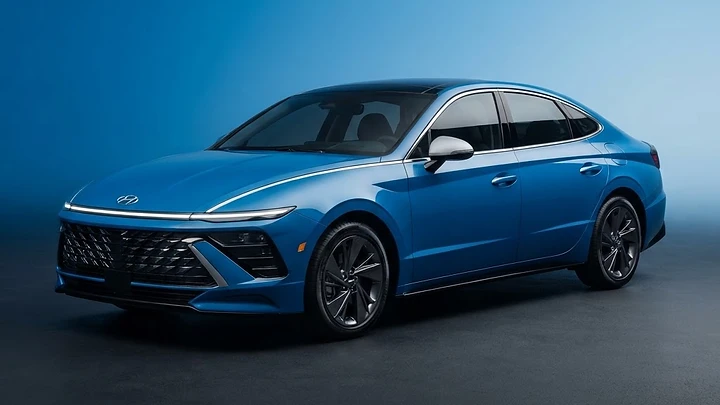

The Bottom Line Choosing the most fuel-efficient car in 2026 is about aligning your vehicle choice with your actual life.
If you prioritize maximum efficiency, the 2026 Toyota Camry and Hyundai Sonata Blue are exceptional choices that offer proven reliability and stellar MPG. For those needing more space, the Toyota Corolla Cross Hybrid provides a perfect balance of utility and economy. Remember, the best car for you is one that fits your budget, keeps your family safe, and doesn't leave you feeling stressed every time you pull into a gas station. Do your research, look beyond the sticker, and choose a vehicle that makes every mile feel like a smart investment.
The cars in this story
The real price and honest verdict on each one
- 2026 Toyota CorollaCompact Sedan · from $22,475
- 2026 Toyota Corolla CrossCompact SUV · from $24,210
- 2026 Hyundai SonataMid-Size Sedan · from $27,450
- 2026 Toyota CamryMid-Size Sedan · from $28,850
More car news

2026 Fuel Economy: The Honest Guide to Real-World Savings
Tired of gas station sticker shock? Discover the most fuel-efficient 2026 vehicles and learn how to maximize your real-world MPG without the dealership hype.

Mastering Fuel Economy: The 2026 Honest Efficiency Guide
Stop overpaying at the pump. Discover how 2026 driving habits, maintenance, and vehicle choices can slash your fuel costs and maximize your real-world MPG.

Best Gas Mileage Cars 2026: The Honest Efficiency Guide
Searching for the best gas mileage cars in 2026? We break down the most efficient non-hybrid and hybrid models to help you save money at the pump today.