2026 Fuel Economy: How to Maximize Your Miles and Savings
Unlock the secrets to 2026 fuel economy. Learn how to choose the most efficient vehicle and master driving habits that keep more money in your pocket today.
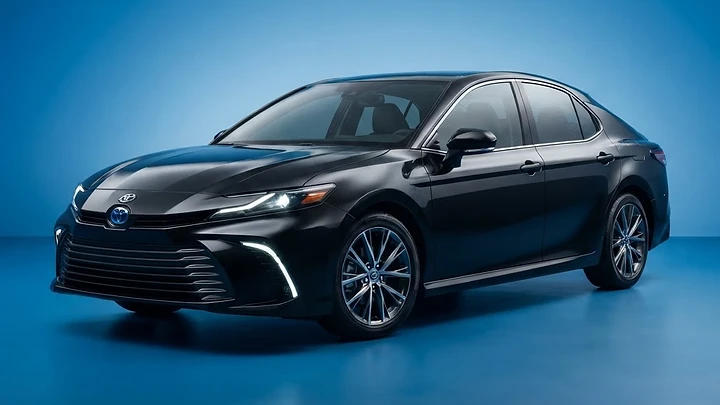
There is a quiet, rhythmic magic to the open road—the hum of tires against asphalt, the landscape shifting as you chase the horizon, and the sheer freedom of knowing your vehicle is an extension of your own ambition. Yet, for many American families, that sense of wonder is often interrupted by the harsh reality of the fuel gauge needle dipping toward empty. In 2026, achieving superior fuel economy isn't just about choosing the right car; it is about understanding the intricate dance between engineering, physics, and your own habits behind the wheel. Whether you are eyeing a high-efficiency hybrid or a refined gasoline sedan, mastering your vehicle's efficiency is the ultimate way to protect your investment and ensure your adventures remain affordable.
Understanding Real-World Fuel Economy in 2026
When you look at the window sticker of a 2026 model, you are seeing EPA estimates derived from standardized testing. While these numbers provide a reliable baseline for comparison, they are not a guarantee of your personal experience. Real-world fuel economy is influenced by a complex web of factors: stop-and-go traffic, your driving style, and even the climate in which you live. For instance, a 2026 Toyota Camry Hybrid, which boasts impressive efficiency, will perform differently in the mountainous terrain of Colorado compared to the flat, gridlocked streets of a major coastal city. Understanding that your vehicle needs a 'break-in' period—typically the first 3,000 to 5,000 miles—is crucial. During this time, engine components settle, and you will often see your actual miles-per-gallon (MPG) figures climb closer to, or even exceed, the official ratings.
The Hybrid Advantage: Why They Lead the Pack
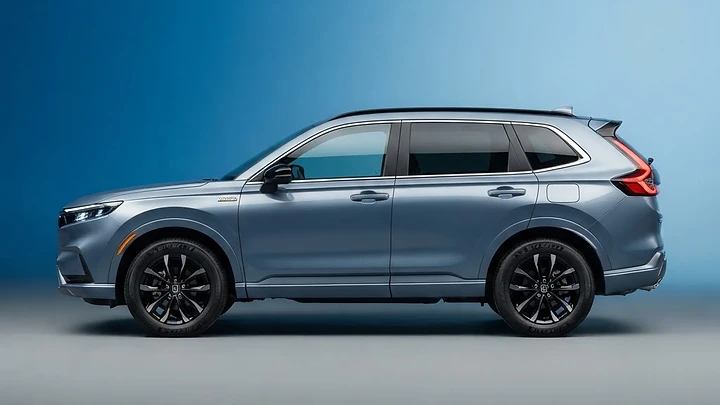
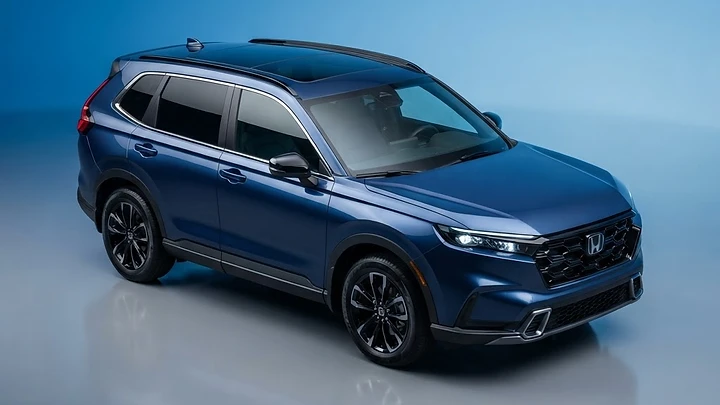
If your priority is minimizing trips to the pump, the 2026 hybrid market offers a compelling solution. Hybrids excel by capturing energy that is otherwise lost during braking and redeploying it to assist the gasoline engine. Models like the 2026 Honda CR-V Hybrid have become family favorites not just for their interior space, but for their ability to deliver consistent efficiency in urban environments where traditional engines struggle. By combining a high-efficiency internal combustion engine with electric motors, these vehicles effectively bridge the gap between the convenience of gasoline and the efficiency of electrification. For the average American commuter, the long-term ownership value of a hybrid often outweighs the slightly higher initial purchase price, especially when factoring in reduced fuel costs over a five-year ownership cycle.
Aerodynamics and Weight: The Hidden Efficiency Killers
We often focus on the engine, but the physical profile of your car plays a massive role in fuel consumption. Every accessory you add—roof racks, cargo boxes, or even heavy aftermarket wheels—creates aerodynamic drag. At highway speeds, this drag forces your engine to work significantly harder to maintain momentum. If you are planning a family road trip, consider the impact of your cargo setup. A rear-mounted cargo tray is generally more aerodynamic than a roof-mounted box, potentially saving you 3% to 5% in fuel efficiency on the highway. Furthermore, clearing out unnecessary weight from your trunk or cabin is a simple, cost-free way to improve your MPG. Think of your car as an athlete; the lighter and more streamlined it is, the more efficiently it will perform.

Smart Driving Habits for Maximum Savings
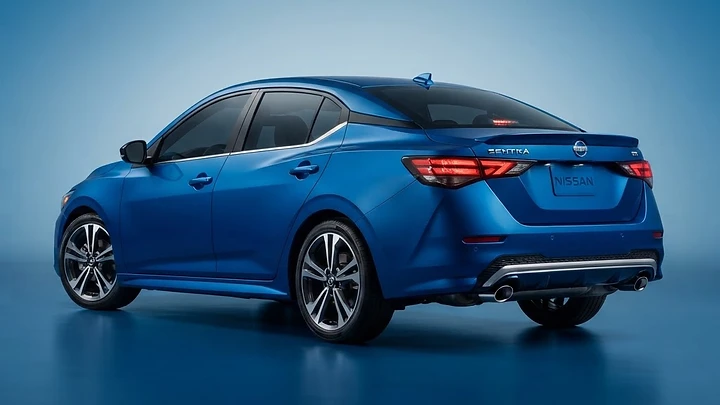
Your right foot is the most powerful tool you have for improving fuel economy. Aggressive acceleration and hard braking are the enemies of efficiency. By adopting a smoother, more anticipatory driving style—looking ahead to traffic lights and coasting to a stop rather than slamming on the brakes—you can significantly reduce fuel waste. Additionally, utilizing your vehicle's 'Economy Mode' is a smart move. This setting typically adjusts throttle response and climate control usage to prioritize efficiency over raw power. On the highway, cruise control is your best friend; it maintains a constant speed, preventing the unnecessary fuel spikes that occur when your speed fluctuates due to subtle changes in pedal pressure.

Maintenance: The Foundation of Efficiency
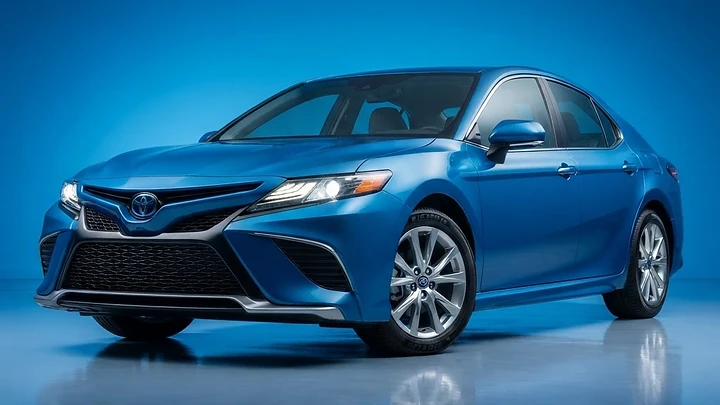
Neglecting basic maintenance is a silent drain on your wallet. A vehicle that is not running at its peak is a vehicle that is burning more fuel than necessary. Simple tasks like ensuring your tires are inflated to the manufacturer's recommended pressure can improve your gas mileage by several percentage points. Furthermore, addressing a 'Check Engine' light immediately is vital. A faulty oxygen sensor, for example, can cause your engine to run 'rich,' potentially slashing your fuel economy by up to 40%. By keeping up with scheduled oil changes and using the recommended grade of motor oil, you ensure that your engine operates with minimal internal friction, saving you money at every fill-up.

Frequently Asked Questions
Does using the air conditioning really hurt my fuel economy?
Yes, especially in hot weather. Running the AC is a significant load on the engine. At lower speeds, it is often more efficient to roll the windows down, but at highway speeds, the aerodynamic drag caused by open windows can be worse than the AC load. Use the AC judiciously to balance comfort and efficiency.
Should I warm up my car before driving in the winter?
Modern engines do not require long idling periods to warm up. In fact, idling consumes fuel without moving you an inch. It is better to start the car, wait about 30 seconds for the oil to circulate, and then drive gently until the engine reaches operating temperature.
Does premium fuel improve my gas mileage?
Only if your vehicle specifically requires it. If your owner's manual recommends regular unleaded, using premium fuel will not improve your fuel economy or performance. Always follow the manufacturer's guidelines to avoid wasting money.
How much does speed affect my fuel economy?
Significantly. For most vehicles, fuel economy peaks at around 50-60 mph. Every 5 mph you drive over 60 mph is essentially like paying an extra surcharge per gallon of gas due to the exponential increase in aerodynamic drag.
The Bottom Line
Achieving great fuel economy in 2026 is a blend of smart vehicle selection and disciplined ownership. If you are in the market for a new ride, prioritize vehicles that align with your actual driving patterns—hybrids for city-heavy commutes and efficient gasoline sedans for highway travel. Remember that the most efficient car is the one that is well-maintained and driven with intention. By focusing on smooth acceleration, proper tire pressure, and aerodynamic awareness, you can transform your daily drive into a masterclass in efficiency, keeping your hard-earned money where it belongs: in your pocket.
The cars in this story
The real price and honest verdict on each one
- 2026 Honda CR-VCompact SUV · from $30,920
- 2026 Toyota CamryMid-Size Sedan · from $28,850
- 2026 Nissan SentraCompact Sedan · from $22,000
- 2026 Lucid AirLuxury Electric Sedan · from $70,900
More car news

2026 Fuel Economy: The Honest Guide to Real-World Savings
Tired of gas station sticker shock? Discover the most fuel-efficient 2026 vehicles and learn how to maximize your real-world MPG without the dealership hype.

Mastering Fuel Economy: The 2026 Honest Efficiency Guide
Stop overpaying at the pump. Discover how 2026 driving habits, maintenance, and vehicle choices can slash your fuel costs and maximize your real-world MPG.

Best Gas Mileage Cars 2026: The Honest Efficiency Guide
Searching for the best gas mileage cars in 2026? We break down the most efficient non-hybrid and hybrid models to help you save money at the pump today.