2026 Fuel Economy: How to Maximize Your Miles and Savings
Discover how to master 2026 fuel economy. Learn which vehicles deliver the best MPG and simple driving habits to keep more money in your pocket every month.
There is a quiet magic in the open road—the way the horizon stretches out before you, promising new adventures and the freedom to explore. For the modern American driver, that sense of wonder is often tempered by the reality of the pump. In 2026, achieving superior fuel economy isn't just about saving a few dollars; it is about reclaiming your budget and choosing a vehicle that respects both your wallet and the environment. Whether you are navigating the dense gridlock of a morning commute or embarking on a cross-country family road trip, understanding how to maximize your miles is the ultimate superpower for the savvy car buyer.
Understanding Real-World Fuel Economy Ratings When you browse the 2026 market, you will see EPA-estimated MPG figures plastered on every window sticker.
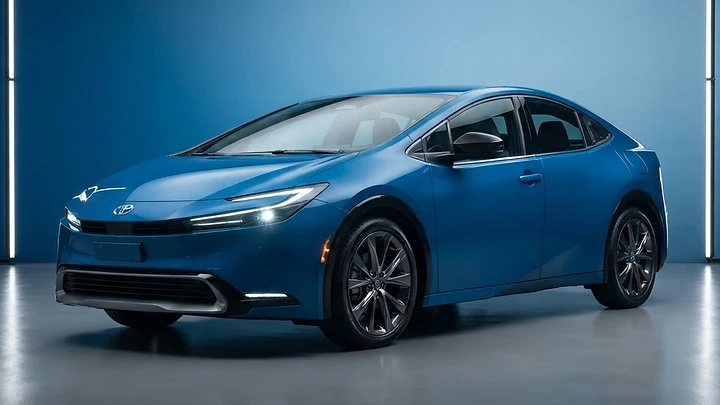
While these numbers are a vital baseline, they are generated in controlled laboratory environments. Real-world conditions—such as aggressive acceleration, heavy traffic, and even the weight of your cargo—can shift these figures significantly. For instance, while a 2026 Toyota Prius might boast an impressive 57 MPG combined, your actual results will depend on your driving style and local terrain. Always treat the EPA guide as a comparative tool rather than a guarantee of your specific monthly fuel costs. 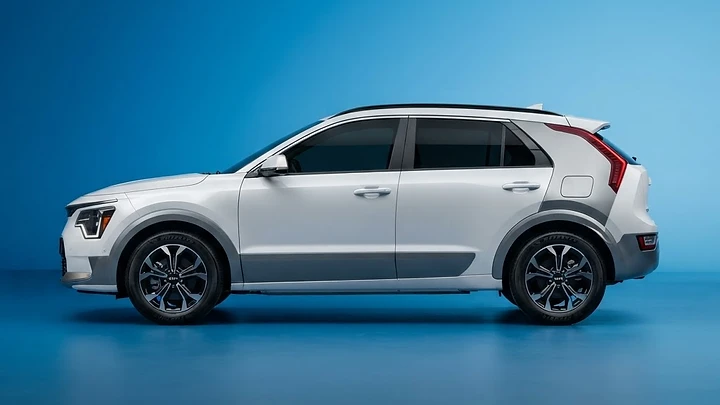
The Rise of the Efficient Hybrid and PHEV The landscape of 2026 has shifted toward electrification, with hybrids and plug-in hybrids (PHEVs) leading the charge in efficiency.
Vehicles like the 2026 Kia Niro, which delivers an outstanding 53 MPG combined, prove that you do not need to sacrifice utility for economy. If your daily routine involves short, stop-and-go trips, a PHEV can be a game-changer, allowing you to cover significant distances on electric power alone before the gasoline engine even engages. When shopping, look for models that balance your need for cargo space with these advanced powertrains to ensure you are getting the best long-term value. 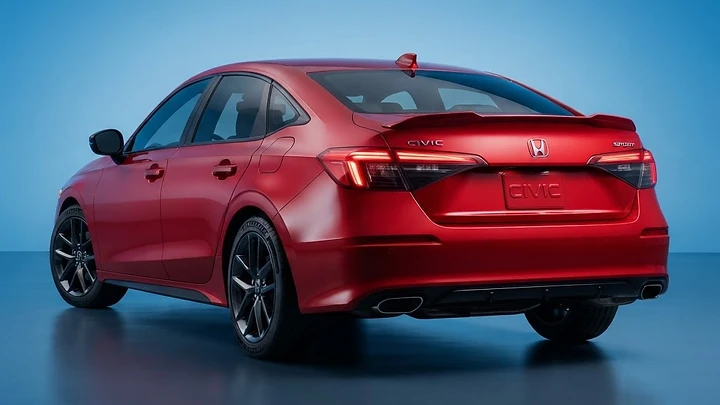

Driving Habits That Save You Money at the Pump You don't need a new car to see an immediate improvement in your fuel efficiency.
The most effective tool for saving gas is already in your hands: your driving style. Smooth, measured inputs are the secret to high MPG. By avoiding hard, rapid acceleration and anticipating traffic flow to minimize heavy braking, you allow your vehicle’s engine and transmission to operate in their most efficient power bands. Additionally, keeping your tires properly inflated and removing unnecessary weight from your trunk can yield surprising gains over the course of a year. 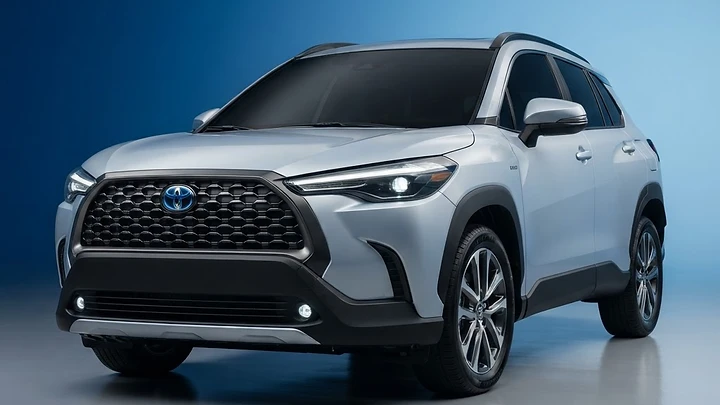

Selecting the Right Vehicle for Your Lifestyle If you are in the market for a new vehicle, prioritize your actual needs.
While a large SUV might be tempting for occasional road trips, a compact sedan like the 2026 Honda Civic, which offers 34 MPG combined, might be a more economical choice for your daily life. For families, the 2026 Toyota Corolla Cross Hybrid provides a perfect middle ground, offering the versatility of a crossover with the efficiency of a hybrid powertrain. Always calculate your annual mileage and compare the potential fuel savings against the purchase price to determine if a higher-priced hybrid trim will pay for itself during your ownership period. 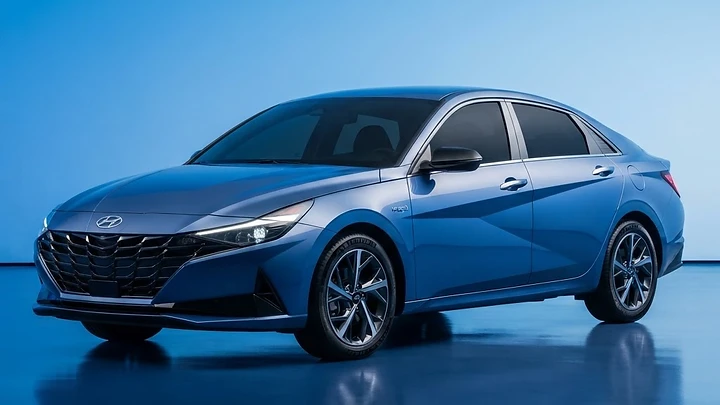

Frequently Asked Questions
Can I achieve a car’s advertised MPG in the real world?
Yes, but it requires consistent, smooth driving habits. EPA ratings are averages; your specific route, weather, and maintenance habits will dictate your actual results. #
Is a hybrid always more cost-effective than a gas car?
Not necessarily. If you drive very few miles annually, the higher upfront cost of a hybrid may take years to offset through fuel savings. Calculate your expected annual mileage before deciding. #
Does idling my car help with fuel economy?
No. Idling consumes fuel without moving you forward. If you are waiting for more than a minute, it is more efficient to turn the engine off and restart it when you are ready to move. #
How does tire pressure affect my gas mileage?
Under-inflated tires increase rolling resistance, forcing your engine to work harder. Keeping your tires at the manufacturer-recommended PSI is one of the easiest ways to maintain optimal efficiency.
The Bottom Line Achieving great fuel economy in 2026 is a blend of smart vehicle selection and mindful driving.
Whether you choose a high-efficiency hybrid like the Kia Niro or a fuel-sipping sedan like the Honda Civic, the key is to align your purchase with your actual driving patterns. By focusing on smooth acceleration, proper maintenance, and realistic expectations, you can turn every gallon of gas into more miles, more savings, and more freedom on the road.
The cars in this story
The real price and honest verdict on each one
- 2026 Kia NiroCompact SUV · from $26,990
- 2026 Toyota CorollaCompact Sedan · from $22,475
- 2026 Toyota Corolla CrossCompact SUV · from $24,210
- 2026 Toyota PriusCompact Sedan · from $28,550
More car news

2026 Fuel Economy: The Honest Guide to Real-World Savings
Tired of gas station sticker shock? Discover the most fuel-efficient 2026 vehicles and learn how to maximize your real-world MPG without the dealership hype.

Mastering Fuel Economy: The 2026 Honest Efficiency Guide
Stop overpaying at the pump. Discover how 2026 driving habits, maintenance, and vehicle choices can slash your fuel costs and maximize your real-world MPG.

Best Gas Mileage Cars 2026: The Honest Efficiency Guide
Searching for the best gas mileage cars in 2026? We break down the most efficient non-hybrid and hybrid models to help you save money at the pump today.