2026 Hybrid Buying Guide: Finding Real Value at the Pump
Ready to save on fuel? Our 2026 hybrid buying guide cuts through the marketing noise to help you find the most efficient, reliable, and value-packed vehicles.
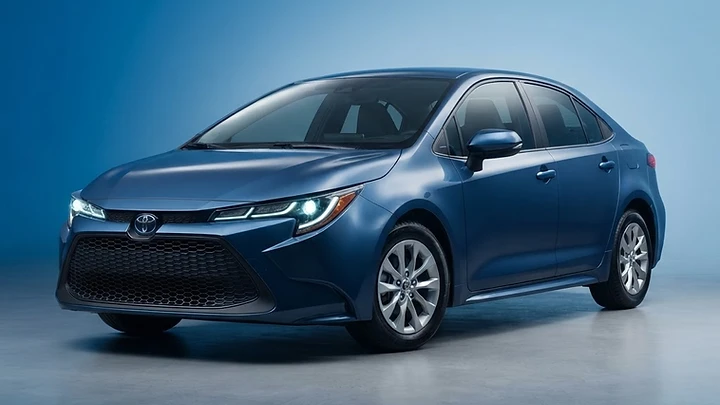
There is a quiet revolution happening on American roads. It is not just about the hum of an electric motor or the sleek lines of a modern sedan; it is about the profound sense of freedom that comes when you realize your daily commute no longer dictates your monthly budget. As fuel prices fluctuate and the automotive landscape shifts toward electrification, the 2026 hybrid market has emerged as the sweet spot for the pragmatic buyer. Whether you are navigating the urban sprawl or planning a cross-country family adventure, choosing the right hybrid is about balancing engineering brilliance with real-world utility.
Why 2026 Is the Year of the Hybrid Shift The data is clear: American car buyers are voting with their wallets.
According to recent industry reports, hybrid sales have surged by over 20 percent year-over-year, signaling a massive shift in consumer preference. Buyers are moving away from the range anxiety of pure EVs and the high fuel costs of traditional internal combustion engines, landing squarely on the reliability and efficiency of self-charging hybrids. For a family of four, the difference between a 23 mpg average and a 45 mpg average is not just a number—it is thousands of dollars in savings over the life of the vehicle, money that can be redirected toward your family’s future. 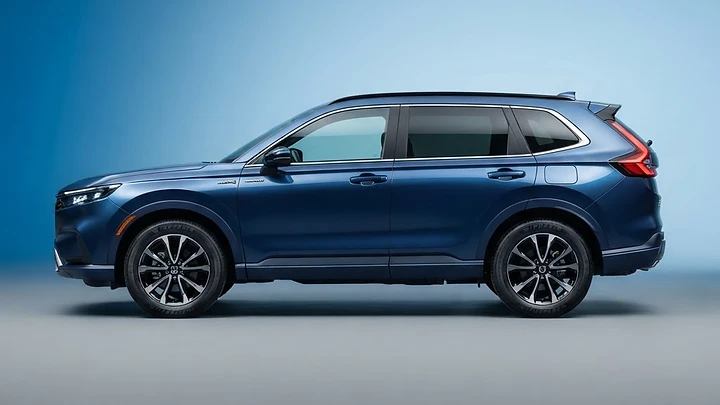
Understanding Real-World MPG vs.
EPA Estimates When you look at the window sticker of a 2026 Honda CR-V Hybrid or a Toyota Corolla Hybrid, you see impressive EPA numbers. However, as an honest buyer, you need to look deeper. EPA testing is standardized, but your daily drive—with its hills, traffic, and cargo—is anything but. A vehicle like the 2026 Honda CR-V Hybrid Sport Touring, which boasts an EPA-rated 37 mpg combined, often performs differently depending on your driving style. We recommend looking at independent track testing, such as those conducted by Consumer Reports or the AAA Car Guide, to see how these vehicles handle real-world conditions. Remember, a hybrid’s efficiency is most pronounced in stop-and-go city traffic, where the regenerative braking system can capture energy that would otherwise be lost as heat. 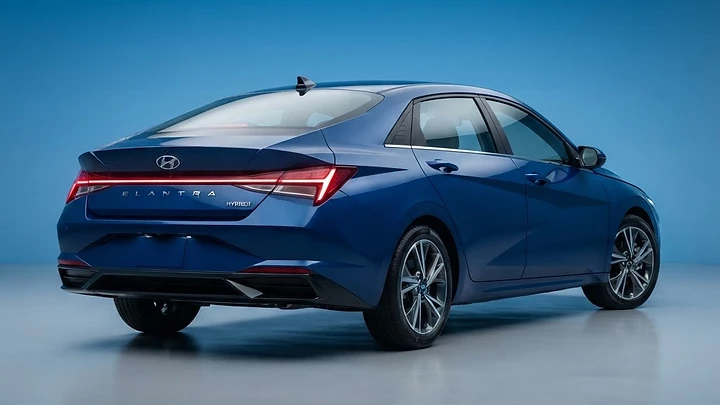

The Hidden Costs of Hybrid Ownership Beyond the sticker price, which for a 2026 Toyota Corolla Hybrid often sits comfortably under $25,000 depending on the trim, you must consider long-term maintenance.
One of the most common questions we hear at Carummah is about battery longevity. Modern hybrid batteries are designed to last the life of the vehicle, often exceeding 150,000 miles. When you factor in the reduced wear on your brake pads—thanks to regenerative braking—and the lack of complex transmission components in many hybrid systems, the total cost of ownership often beats out traditional gas-powered counterparts. Always check the manufacturer’s warranty on the hybrid battery system, which is federally mandated to be quite robust, providing you with peace of mind for years to come. 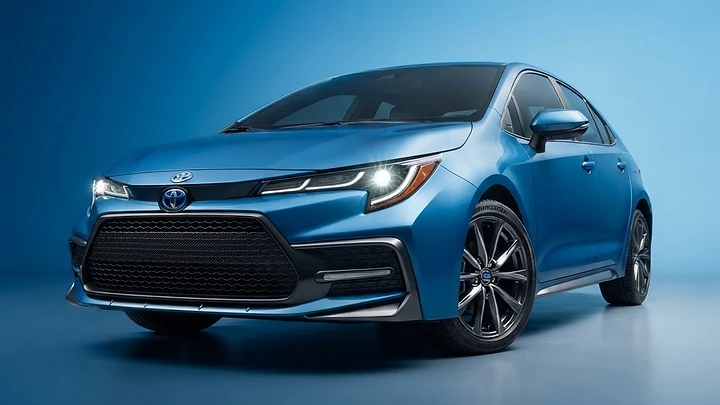

Frequently Asked Questions
Are hybrids more expensive to maintain than gas cars?
Generally, no. Hybrids often have lower maintenance costs because the electric motor assists the engine, reducing stress on the powertrain. Regenerative braking also significantly extends the life of your brake pads and rotors.
Do I need to plug in a self-charging hybrid?
No. Self-charging hybrids (HEVs) use the gasoline engine and regenerative braking to charge the battery automatically. You simply fill up with gas and drive as you would a normal car.
Which 2026 hybrid offers the best fuel economy?
Models like the 2026 Hyundai Elantra Hybrid and the 2026 Toyota Corolla Hybrid consistently rank at the top, often delivering 50 mpg or more in combined driving conditions.
Is a hybrid worth the extra upfront cost?
For most drivers, yes. If you drive more than 12,000 miles per year, the fuel savings typically offset the price premium of a hybrid model within three to five years, depending on local gas prices. 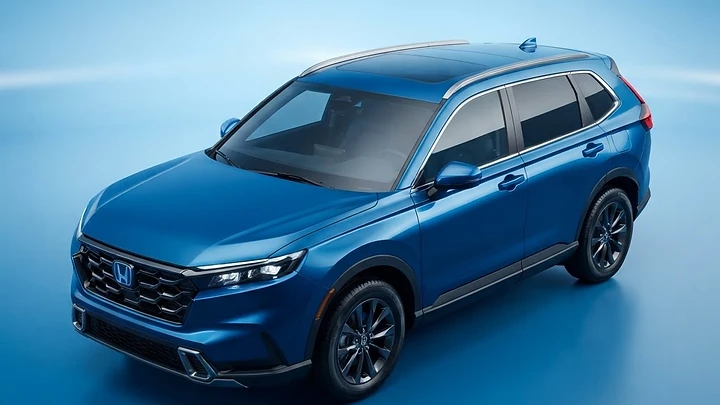

The Bottom Line Choosing a hybrid in 2026 is about more than just saving pennies at the pump; it is about investing in a smarter, more efficient way to move through the world.
If you prioritize maximum efficiency, the 2026 Toyota Corolla Hybrid remains the gold standard for value. If you need more space for your family, the 2026 Honda CR-V Hybrid offers a perfect blend of utility and fuel economy. Our advice? Test drive both, look at your actual driving habits, and don't be swayed by dealership pressure to buy more car than you need. Transparency is your best tool—use it to find the vehicle that truly fits your life.
The cars in this story
The real price and honest verdict on each one
- 2026 Toyota CorollaCompact Sedan · from $22,475
- 2026 Honda CR-VCompact SUV · from $30,920
- 2026 Hyundai ElantraCompact Sedan · from $22,625
More car news

2026 Fuel Economy: The Honest Guide to Real-World Savings
Tired of gas station sticker shock? Discover the most fuel-efficient 2026 vehicles and learn how to maximize your real-world MPG without the dealership hype.

Mastering Fuel Economy: The 2026 Honest Efficiency Guide
Stop overpaying at the pump. Discover how 2026 driving habits, maintenance, and vehicle choices can slash your fuel costs and maximize your real-world MPG.

Best Gas Mileage Cars 2026: The Honest Efficiency Guide
Searching for the best gas mileage cars in 2026? We break down the most efficient non-hybrid and hybrid models to help you save money at the pump today.