2026 IIHS Safety Awards: The Safest Cars You Can Buy Today
Discover the 2026 IIHS Top Safety Pick winners. We break down the toughest safety criteria yet to help you choose a vehicle that truly protects your family.
There is a profound, quiet magic in the way modern engineering cradles us. As you pull onto the highway, the hum of the engine and the solid thud of the door closing behind you represent more than just a commute; they are a promise of protection. In 2026, that promise is more rigorous than ever. The Insurance Institute for Highway Safety (IIHS) has raised the bar, demanding not just better crash structures, but smarter, more intuitive technology that acts as a second set of eyes on the road. For the American car buyer, navigating these new standards is the key to finding a vehicle that offers genuine peace of mind.
Understanding the 2026 IIHS Safety Criteria The 2026 awards are not handed out lightly.
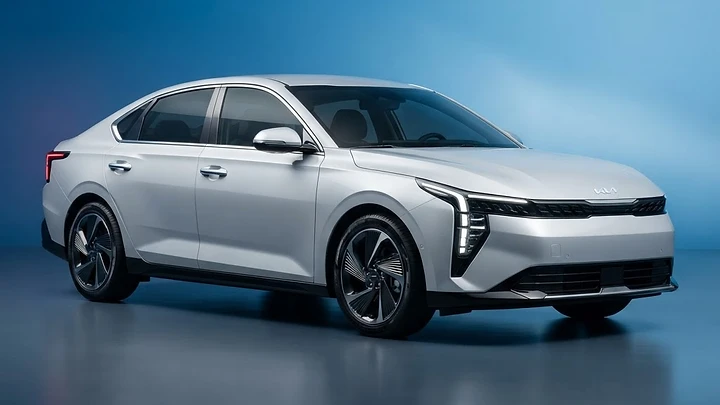
To earn the coveted 'Top Safety Pick+' designation, a vehicle must now achieve a 'Good' rating in the updated moderate overlap front test, which specifically measures back-seat passenger protection—a critical factor for families. Furthermore, crash avoidance systems must be standard. This means the life-saving tech that prevents collisions with pedestrians and other vehicles is no longer hidden behind expensive, top-tier trim levels. Whether you are looking at a $22,290 Kia K4 or a premium Audi A6, the safety baseline has been elevated across the board. 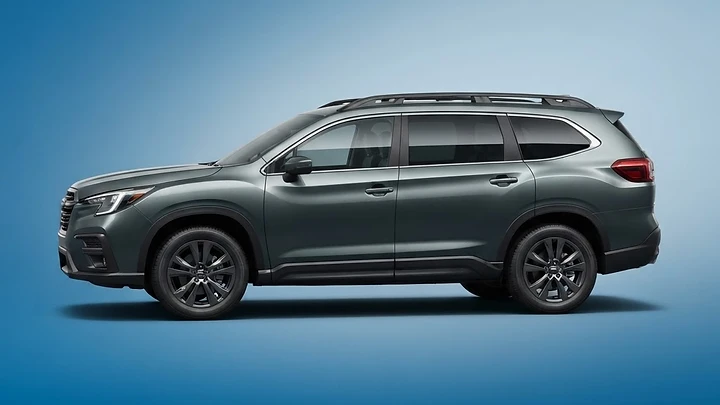
Why Back-Seat Safety Matters More Than Ever For years, the focus of crash testing was almost exclusively on the driver and front passenger.
The 2026 criteria shift that focus, acknowledging that your most precious cargo—your children, friends, or aging parents—often sit in the back. Vehicles like the 2026 Subaru Ascent and the 2026 Toyota Camry have been recognized for their ability to maintain structural integrity in these updated tests. When you are shopping, don't just look at the front-impact scores; ask your dealer specifically about the rear-seat protection ratings. It is a detail that separates a good car from a truly safe one. 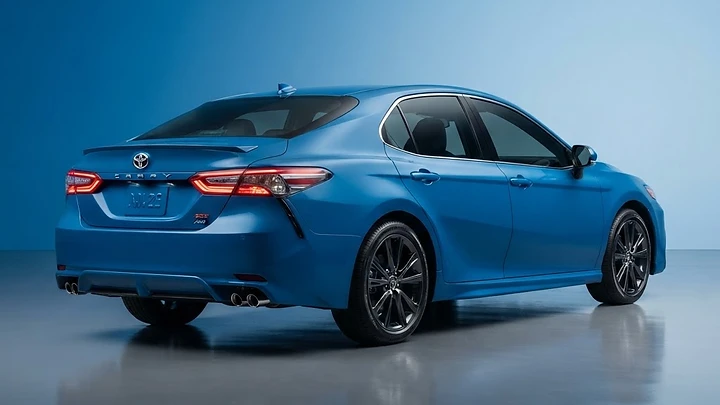

Crash Avoidance: The New Standard of Vigilance It is one thing to survive a crash; it is another to avoid it entirely.
The 2026 IIHS requirements mandate that 'Top Safety Pick+' winners possess superior pedestrian front crash prevention. This technology uses advanced sensors and AI to detect movement in low-light conditions, potentially stopping the car before a tragedy occurs. Models like the 2026 BMW X5 and the 2026 Mazda CX-90 PHEV have integrated these systems seamlessly. This isn't just about convenience; it is about the evolution of the automobile into a guardian of the road. 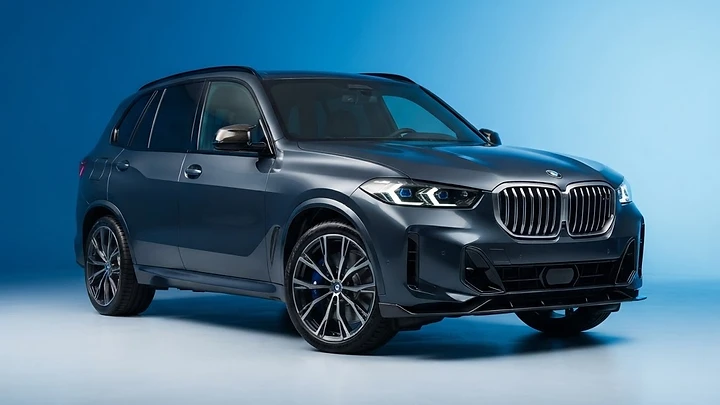

Balancing Size, Weight, and Safety While technology is vital, physics remains the ultimate arbiter of safety.
Larger, heavier vehicles generally provide more protection in multi-vehicle collisions. However, the 2026 awards prove that small cars, such as the 2026 Honda Civic and the 2026 Toyota Prius, can still earn top honors by utilizing high-strength steel and advanced crumple zones. If you are choosing between a compact sedan and a large SUV, remember that the 'Top Safety Pick' badge is your best indicator of how well that specific chassis handles the forces of an impact. 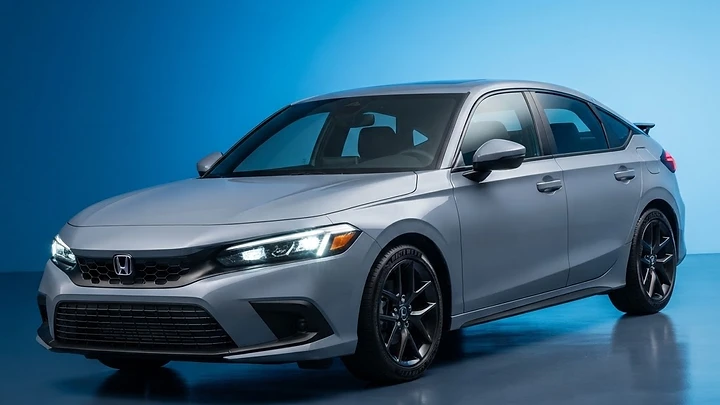

Frequently Asked Questions
What is the difference between Top Safety Pick and Top Safety Pick+?
The '+' designation requires a 'Good' rating in the updated moderate overlap front test and more stringent crash avoidance requirements for both pedestrians and other vehicles. #
Are safety features standard on base models?
Yes, for 2026, the IIHS requires that qualifying crash prevention systems be standard equipment to earn an award. #
Does a higher price tag guarantee a safer car?
Not necessarily. Many affordable vehicles, like the Kia K4, meet the same rigorous safety standards as luxury models. #
How often are these safety ratings updated?
The IIHS updates its criteria periodically to reflect real-world crash data and technological advancements, making the 2026 list the most current and relevant guide available.
The Bottom Line When you step into a dealership, the sheer volume of options can be overwhelming.
However, your priority should always be the safety of your passengers. For 2026, we recommend prioritizing vehicles that have earned the 'Top Safety Pick+' award, as they represent the pinnacle of current crash protection and avoidance technology. Whether you choose the efficiency of a Toyota Prius or the utility of a Subaru Forester, ensure the vehicle you drive home has the credentials to keep you and your family safe on every journey.
The cars in this story
The real price and honest verdict on each one
- 2026 BMW X5Mid-Size SUV · from $66,775
- 2026 Toyota PriusCompact Sedan · from $28,550
- 2026 Toyota CamryMid-Size Sedan · from $28,850
- 2026 Subaru AscentMid-Size SUV · from $39,195
More car news

Safest Cars 2026: The Honest Buyer’s Guide to Protection
Buying a safe car in 2026? Discover how to navigate crash ratings, essential safety tech, and the models that offer the best protection for your family.

2026 Car Safety Tech: What Actually Keeps You Safe?
Confused by 2026 car safety tech? We break down what features actually save lives, which are worth the upgrade, and how to choose the safest car for your family.

Safest Family Cars 2026: The Honest Guide to Car Seat Fit
Finding the safest family car in 2026 goes beyond crash ratings. We break down which vehicles actually make installing car seats easy and stress-free.