The 2026 Smart Cabin: Is Your Next Car Actually Smarter?
Discover if the 2026 smart cabin is worth the investment. We break down the latest tech, from AI assistants to ambient lighting, for the modern car buyer.
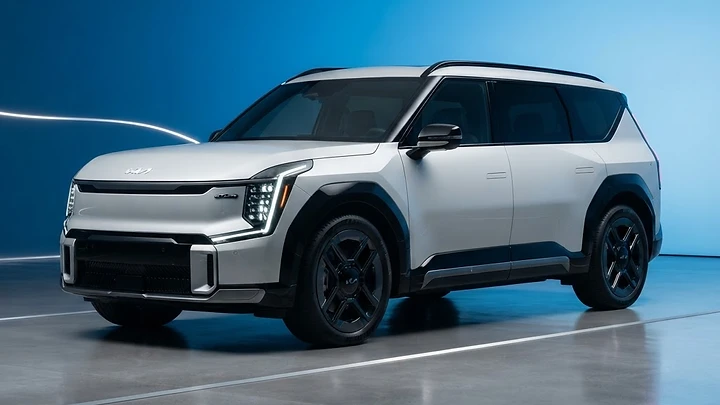
There is a specific, quiet magic that happens when you step into a modern vehicle. As the door seals shut, the world outside—the frantic pace of traffic, the hum of the city—fades into a hushed, controlled sanctuary. In 2026, the automotive industry has shifted its focus from what happens under the hood to what happens inside the cabin. We are no longer just driving machines; we are inhabiting intelligent, responsive environments designed to anticipate our needs before we even voice them. Whether it is the gentle glow of adaptive ambient lighting or an AI assistant that understands your morning routine, the modern car has become a partner in your daily journey.
The Rise of the Software-Defined Vehicle The most significant shift in 2026 is the move toward the 'software-defined vehicle.' Unlike the cars of a decade ago, where hardware was static, today’s cabins are dynamic. Manufacturers like Hyundai and Mercedes-Benz are integrating centralized domain controllers that allow your car to evolve. This means that your infotainment system, climate control, and even seating posture can be updated over-the-air to improve functionality. For the buyer, this translates to a vehicle that feels newer for longer, potentially increasing your long-term ownership value. 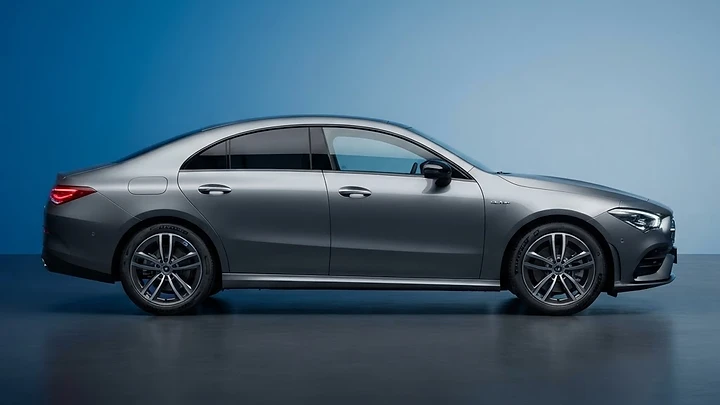
Why Ambient Lighting is More Than Just a Gimmick It might seem like a flashy aesthetic choice, but smart ambient lighting is a cornerstone of the 2026 wellness-focused cabin.
Systems now use Dreamcolor RGB-IC technology to adapt to your mood or driving scenario. Research shows that these lighting effects can reduce driver fatigue and create a more restorative environment during long commutes. When shopping for your next vehicle, look for systems that integrate with the vehicle’s safety sensors—some models now pulse red to warn of blind-spot hazards, turning a visual feature into a critical safety tool. 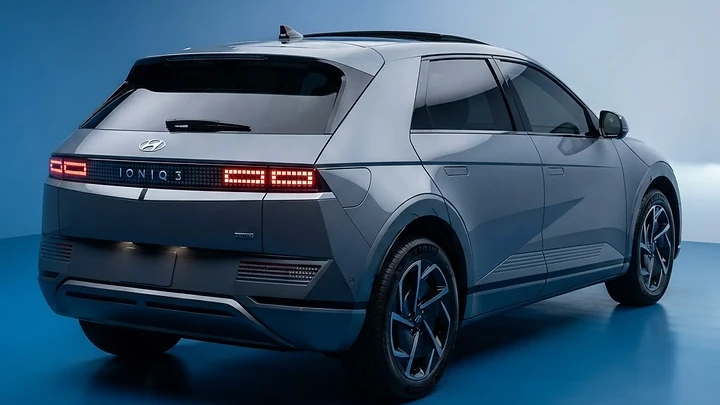

The Return of Tactile Controls While the industry spent years chasing the 'all-screen' dashboard, 2026 has seen a refreshing pivot back to physical buttons and knobs.
Drivers have spoken, and manufacturers have listened. The best-rated interiors this year, such as those found in the latest Kia EV9 or refreshed luxury sedans, balance massive panoramic displays with tactile, high-quality physical controls for volume and climate. This hybrid approach ensures that you can keep your eyes on the road while making adjustments, providing a safer and more intuitive user experience. 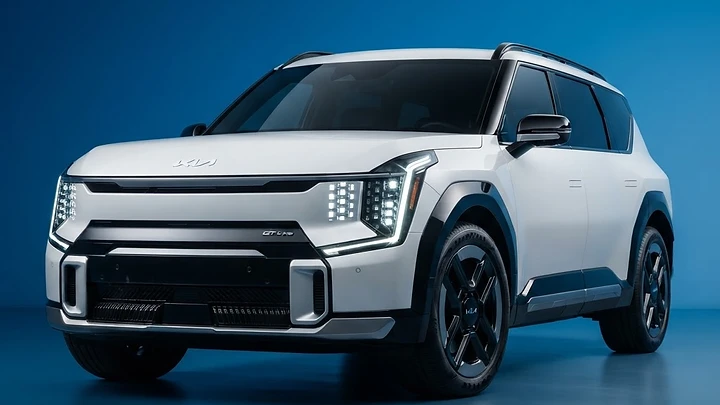

AI-Driven Personalization and Comfort The integration of AI and Large Language Models (LLMs) into the cabin is perhaps the most transformative change.
Systems like the new Unified Cabin 2026 platforms can now handle multi-intent voice commands. You can say, 'I'm cold, take me home, and play my favorite playlist,' and the car will adjust the climate, set the navigation, and sync your audio simultaneously. These systems are designed to learn your preferences, automatically connecting your devices and adjusting your seat position the moment you sit down. 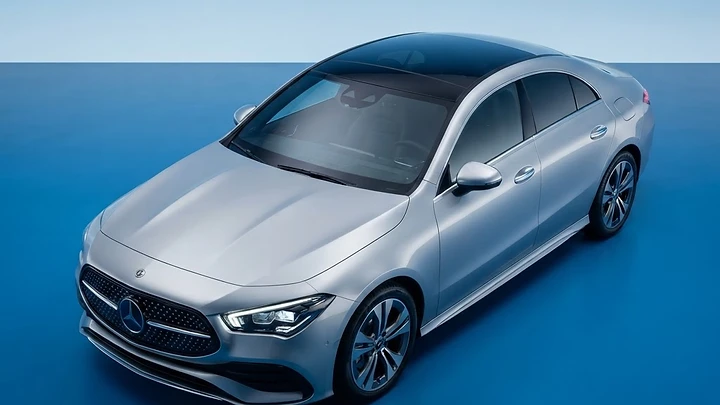

Frequently Asked Questions
Are smart cabin features worth the extra cost?
Yes, if you prioritize comfort and long-term usability. Features like AI-adaptive seating and advanced connectivity often improve the resale value and daily enjoyment of the vehicle. #
Will my car's software become obsolete?
The shift to software-defined platforms means that many 2026 models receive OTA (Over-the-Air) updates, keeping your infotainment and cabin features current for years. #
Do I need to worry about privacy with AI assistants?
Most manufacturers now offer granular control over data sharing. Always check the privacy settings in the infotainment menu to see what data your vehicle collects. #
Are physical buttons better than touchscreens?
For safety, yes. Physical controls allow for 'eyes-free' operation, which is why many 2026 models are reintroducing them alongside digital displays.
The Bottom Line The 2026 smart cabin is not just about bells and whistles; it is about creating a space that makes your life easier and your drive more enjoyable.
When shopping, prioritize vehicles that offer a balance of intuitive physical controls and robust, updateable software. If you are looking for a family vehicle, focus on models with reconfigurable layouts and wellness-focused lighting. Ultimately, the best car is one that feels like it was built specifically for you, blending cutting-edge technology with the timeless joy of the open road.
The cars in this story
The real price and honest verdict on each one
Every model, side by sideMore car news

2026 Car Buying: How to Navigate High Prices and Tech
Buying a car in 2026? Discover how to navigate record-high prices, essential tech features, and shifting market trends to secure the best deal for your needs.

Software-Defined Cars: The 2026 Honest Buyer’s Guide
Are software-defined cars worth the hype? Discover how over-the-air updates and subscription features are changing the 2026 car buying experience.

Head-Up Displays: Are They Worth It in 2026?
Are head-up displays worth the upgrade in 2026? We break down the safety, tech, and real-world value of HUDs to help you decide if you need one.