AI Voice Assistants: The 2026 Honest Buyer’s Guide
Are AI voice assistants in cars actually useful? We break down the 2026 landscape to help you decide if this tech is a game-changer or just a distraction.
There is a quiet revolution happening inside the cabin of your next vehicle. Imagine pulling onto a winding coastal highway at sunset, the sky painted in hues of violet and gold, and instead of fumbling with a complex touchscreen to adjust your climate or find a new destination, you simply speak. The car listens, understands your intent, and responds with the precision of a human copilot. In 2026, AI voice assistants are moving beyond simple, rigid commands to become genuine partners in your journey. But as an American car buyer, you need to know: is this technology truly ready for the road, or is it just another layer of digital clutter?
The Shift from Commands to Conversations For decades, talking to your car felt like speaking to a stubborn toddler.
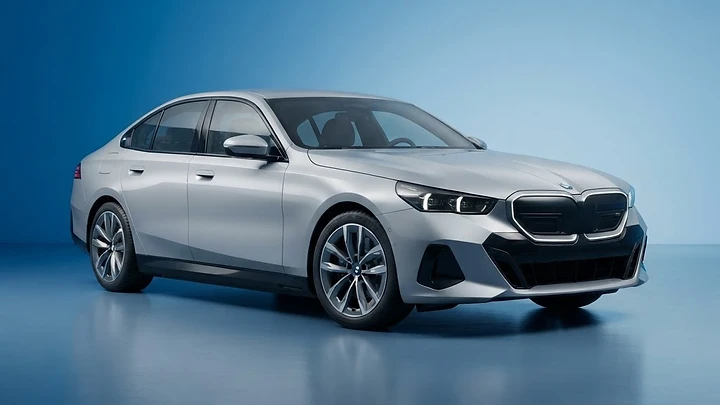
You had to memorize specific phrases, and if you deviated by a single word, the system would fail. Today, that is changing. Modern systems like the Mercedes-Benz MBUX Virtual Assistant and the upcoming Rivian Assistant are leveraging Large Language Models (LLMs) to interpret natural speech. Whether you are driving a 2026 BMW i5 or a family-focused 2026 Toyota Sienna, the goal is the same: to reduce the time your eyes spend off the road. These systems are designed to handle complex, multi-part requests, allowing you to focus on the awe-inspiring experience of driving rather than the frustration of menu-diving. 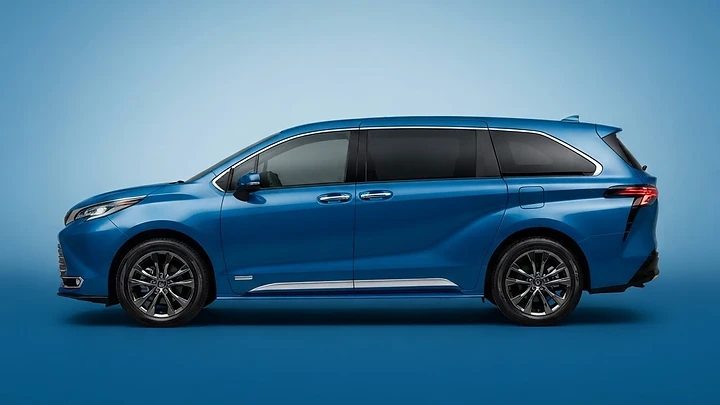
What Can AI Actually Control?
It is vital to distinguish between a 'connected' assistant and a 'vehicle-integrated' one. Many systems, like basic smartphone integrations, can play music or read texts but cannot touch your car’s hardware. However, the best-in-class systems—like those found in newer Rivian or BMW models—can adjust your ride height, change drive modes, or even manage your EV’s battery preconditioning. When shopping, ask the dealer specifically: 'Can the voice assistant control the climate and vehicle settings, or is it limited to media?' If you are looking at a 2026 Chevrolet or Cadillac, note that GM is rolling out Google Gemini integration to millions of existing vehicles, which will enhance your ability to manage streaming audio and navigation, though it may not yet control deep vehicle diagnostics. 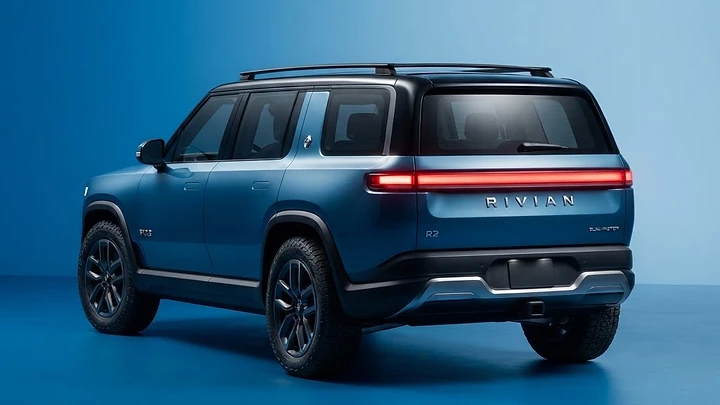

Safety and the 'Eyes-Off-Road' Problem The primary argument for AI voice control is safety.
By minimizing the need to tap, swipe, or pinch a central touchscreen, you keep your focus where it belongs: on the asphalt. However, not all systems are created equal. Some manufacturers are still struggling with latency—the delay between your command and the car’s action. In 2026, the industry standard for a responsive system is under 500 milliseconds. If you find yourself waiting seconds for a response, the system is likely to become a source of frustration rather than a convenience. Always test the voice system during your test drive by asking it to perform three distinct tasks: changing the temperature, finding a nearby coffee shop, and adjusting the audio source. 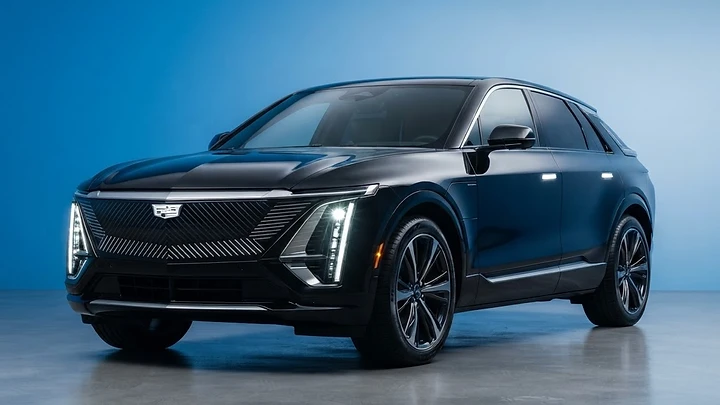

Privacy and the Future of In-Car Data As these assistants become more capable, they also become more data-hungry.
They learn your habits, your favorite routes, and even your voice patterns. When buying a new car, take a moment to review the manufacturer’s privacy policy regarding voice data. Most premium brands now offer granular control over what data is sent to the cloud versus what is processed locally on the vehicle’s hardware. Transparency is key; you should feel empowered to use the technology without feeling like your private conversations are being harvested for marketing purposes. 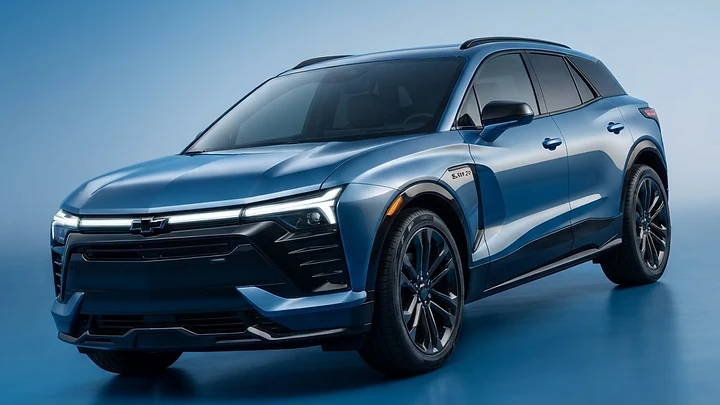

Frequently Asked Questions
Do I need a subscription for these AI features?
Many advanced AI voice features are bundled with connected services packages. While some basic commands are free, features like real-time traffic routing or advanced LLM-powered conversational AI may require a monthly subscription after an initial trial period. #
Can I use Apple CarPlay or Android Auto instead?
Yes, and for many, that remains the gold standard. However, some manufacturers, like Rivian, are moving toward proprietary systems that replace phone mirroring. Always check if the car supports your preferred platform if you rely on it for daily navigation. #
Will my car’s voice assistant get better over time?
Yes. Most modern vehicles with over-the-air (OTA) update capabilities can receive software patches that improve the AI’s vocabulary, speed, and integration depth long after you drive off the lot. #
Is voice control safer than physical buttons?
It depends. While voice control reduces 'eyes-off-road' time, physical buttons provide tactile feedback that is often faster for simple tasks like volume or temperature. The best cars offer a hybrid approach, combining physical controls for essentials with smart voice for complex tasks.
The Bottom Line In 2026, AI voice assistants are finally becoming useful, but they are not yet a replacement for common sense.
If you prioritize tech-forward convenience, look for vehicles with deep integration like the latest BMW or Rivian models. However, if you prefer a simpler, more tactile experience, don't feel pressured to pay for a premium trim just for the 'smart' features. The best car is the one that makes you feel confident and safe, whether it listens to your voice or simply responds to your touch.
The cars in this story
The real price and honest verdict on each one
- 2026 Toyota SiennaMinivan · from $40,120
- 2026 Chevrolet BlazerMid-Size SUV · from $36,095
- 2026 Rivian R2Compact SUV · from $45,000
- 2026 Lucid AirLuxury Electric Sedan · from $70,900
More car news

Used Hybrid Cars: The 2026 Honest Buyer’s Guide
Considering a used hybrid? Discover why these fuel-efficient vehicles are trending in 2026 and how to find a reliable deal without overpaying.

2026 Car Buying: How to Navigate High Prices and Tech
Buying a car in 2026? Discover how to navigate record-high prices, essential tech features, and shifting market trends to secure the best deal for your needs.

Software-Defined Cars: The 2026 Honest Buyer’s Guide
Are software-defined cars worth the hype? Discover how over-the-air updates and subscription features are changing the 2026 car buying experience.