AR Head-Up Displays: Is This 2026 Tech Worth the Upgrade?
Are augmented reality head-up displays worth the extra cost in 2026? We break down the safety benefits, real-world utility, and if this tech is a smart buy.
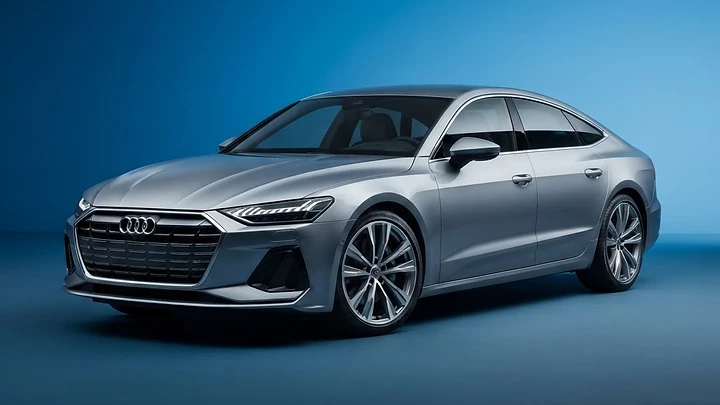
Imagine gliding down a winding mountain pass at twilight, the road ahead bathed in the soft glow of your headlights. Instead of glancing down at a cluttered infotainment screen or squinting at a digital gauge cluster, the path forward is illuminated by intuitive, floating navigation cues that seem to hover directly on the asphalt. This isn't a scene from a science fiction film; it is the reality of Augmented Reality (AR) Head-Up Displays (HUDs) arriving in 2026 vehicles. As an automotive journalist, I have seen countless 'must-have' features come and go, but AR-HUD technology represents a genuine shift in how we interact with our machines. It transforms the windshield into a canvas of vital information, promising to keep your eyes where they belong: on the road.
What Exactly is an AR-HUD?
At its core, a traditional head-up display projects basic data like speed and turn-by-turn directions onto the lower portion of your windshield. An AR-HUD takes this concept into the future by integrating that data with the real world. Using advanced cameras and sensors, the system identifies lane markings, pedestrians, and upcoming turns, then overlays digital graphics that align perfectly with your field of vision. When you approach a turn, a virtual arrow appears to 'grow' on the road surface, guiding you with precision. It is a seamless blend of digital intelligence and physical reality, designed to reduce cognitive load and reaction times. 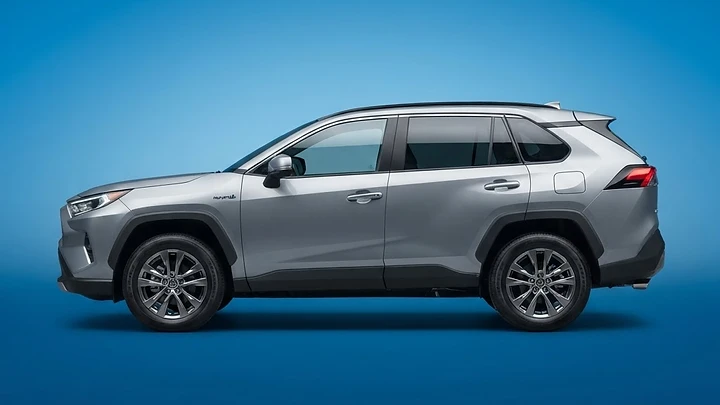
Safety Benefits: Beyond the Gee-Whiz Factor While the visual experience is undeniably cool, the primary goal of AR-HUD technology is safety.
Research consistently shows that the seconds spent looking away from the road to check a navigation map or adjust climate settings are critical. By projecting essential information directly into your line of sight, AR-HUDs minimize the time your eyes are off the road. In 2026, we are seeing these systems move from ultra-luxury vehicles like the Audi A6 Sportback into more mainstream segments. The goal is to provide 'assistance, not autonomy,' ensuring the driver remains the primary decision-maker while having the best possible situational awareness. 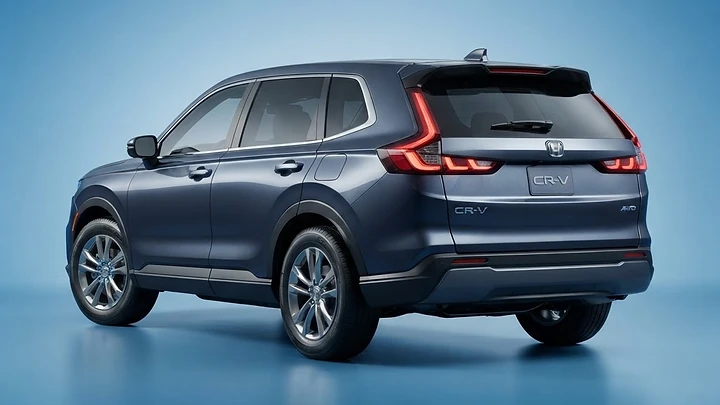

Is the Cost Justified in 2026?
As with any cutting-edge tech, the price tag can be a hurdle. Many manufacturers bundle AR-HUDs into premium technology packages that can add $2,000 to $5,000 to the MSRP of a vehicle. For a family buyer looking at a reliable SUV like the Toyota RAV4 or a versatile crossover like the Honda CR-V, this is a significant investment. If you are a daily commuter who spends hours in heavy traffic, the reduced mental fatigue provided by a clear, non-distracting HUD can be worth every penny. However, if you primarily use your vehicle for short trips, the value proposition diminishes. Always ask your dealer for a test drive that specifically includes using the HUD in varying light conditions to see if it works for your eyes. 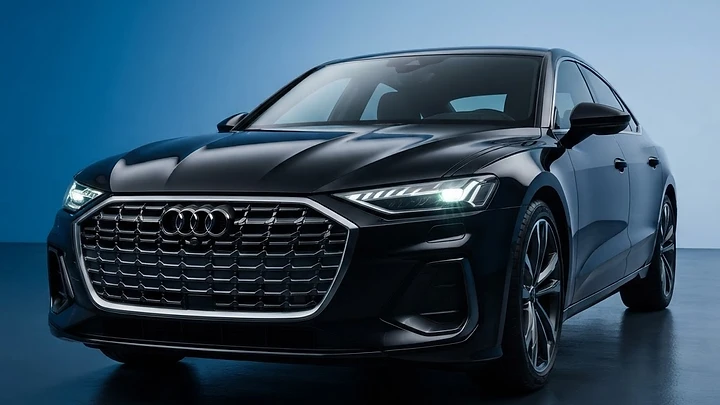

Frequently Asked Questions
Does an AR-HUD replace the need for a digital gauge cluster?
No, it is designed to complement it. While the HUD provides immediate, high-priority information, the gauge cluster remains the hub for secondary data like tire pressure, fuel levels, and vehicle health alerts. #
Can I turn off the AR features if they are distracting?
Yes, most systems allow you to customize the level of information displayed. You can typically toggle between a 'minimalist' mode that shows only speed and a 'full' mode that includes navigation and lane-assist graphics. #
Is this technology reliable in bad weather?
While AR-HUDs rely on cameras and sensors that can be obscured by heavy snow or thick fog, they are designed to fail-safe. If the system cannot clearly 'see' the road, it will simply revert to a standard HUD display or turn off, ensuring you are never given false information. #
Will this tech become standard in all cars soon?
While it is currently a premium feature, we expect to see basic HUDs become more common in mid-trim levels by 2028. True AR-HUDs, however, will likely remain a luxury differentiator for the next few years due to the complex optics required. 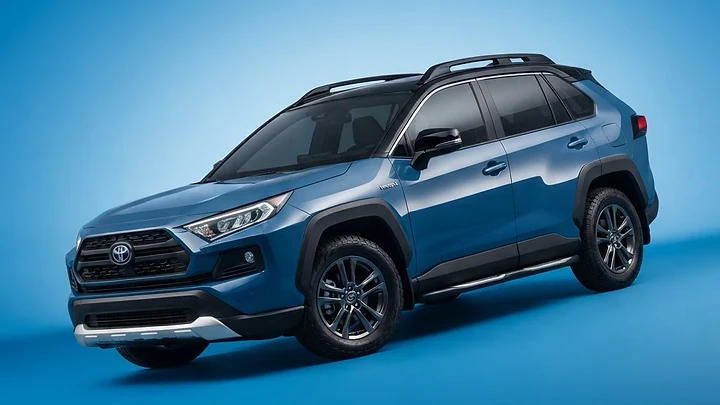

The Bottom Line If you are in the market for a new vehicle in 2026, an AR-HUD is a feature that genuinely enhances the driving experience rather than just adding clutter.
It is a rare example of technology that makes driving feel more natural, not more complicated. If your budget allows, I highly recommend prioritizing this feature for its long-term safety benefits and the sheer ease it brings to navigation. However, do not feel pressured to stretch your budget for it; a well-maintained vehicle with standard safety features remains a smart, responsible choice for any American buyer.
The cars in this story
The real price and honest verdict on each one
Every model, side by sideMore car news

Used Hybrid Cars: The 2026 Honest Buyer’s Guide
Considering a used hybrid? Discover why these fuel-efficient vehicles are trending in 2026 and how to find a reliable deal without overpaying.

2026 Car Buying: How to Navigate High Prices and Tech
Buying a car in 2026? Discover how to navigate record-high prices, essential tech features, and shifting market trends to secure the best deal for your needs.

Software-Defined Cars: The 2026 Honest Buyer’s Guide
Are software-defined cars worth the hype? Discover how over-the-air updates and subscription features are changing the 2026 car buying experience.