AR Head-Up Displays: The Future of Driving in 2026
Discover how Augmented Reality (AR) head-up displays are transforming the 2026 driving experience, enhancing safety, and keeping your eyes on the road.
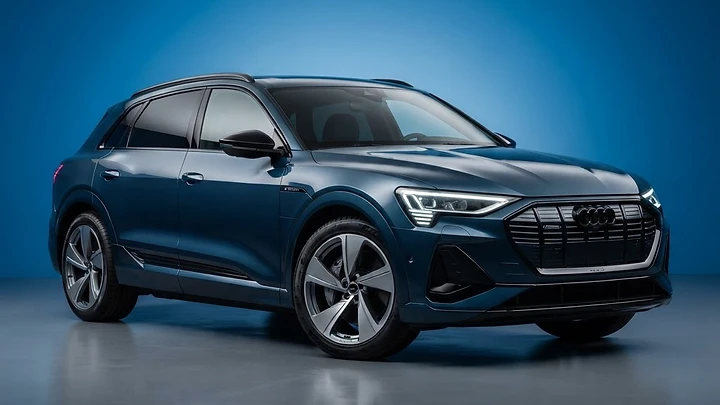
Imagine cresting a mountain pass at twilight, the road winding ahead like a ribbon of ink. Instead of glancing down at a glowing screen to check your navigation, a crisp, golden arrow appears to float directly on the asphalt, perfectly aligned with the upcoming hairpin turn. This isn't science fiction; it is the reality of 2026 automotive technology. Augmented Reality (AR) head-up displays (HUDs) are fundamentally changing how we interact with our vehicles, turning the windshield into a canvas of vital, real-time information that keeps your eyes exactly where they belong: on the road.
What is an AR Head-Up Display?
Unlike traditional HUDs that simply project static numbers like speed or engine RPM onto the glass, an AR-HUD integrates with the vehicle’s sensors, cameras, and GPS to overlay digital information onto the physical world. When you approach a junction, the system doesn't just tell you to turn; it highlights the specific lane you need to be in, with virtual markers that grow larger as you approach the maneuver. This seamless fusion of digital data and physical reality is designed to reduce cognitive load, allowing drivers to process complex navigation and safety alerts without the distraction of looking away from the horizon. 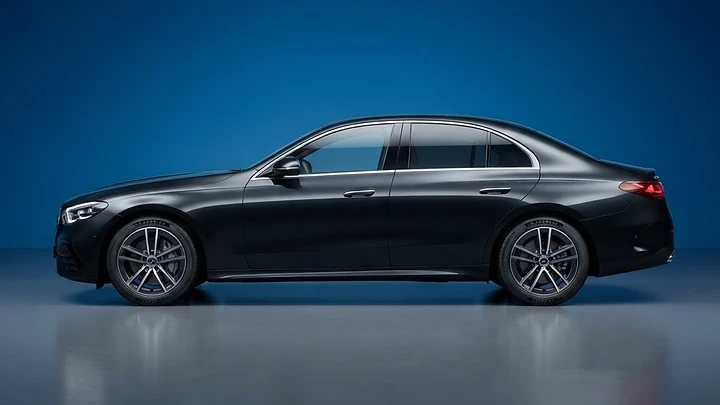
Safety Benefits: Seeing Through the Fog The primary promise of AR-HUD technology is safety.
By projecting hazards—such as pedestrians, cyclists, or even lane-departure warnings—directly into your line of sight, the system acts as a second set of eyes. In inclement weather, such as heavy rain or thick fog, advanced AR systems can highlight the edges of the road or detect obstacles that might be obscured to the human eye. This technology is rapidly moving from ultra-luxury flagships to mainstream models, making the driving experience safer for families and commuters alike. 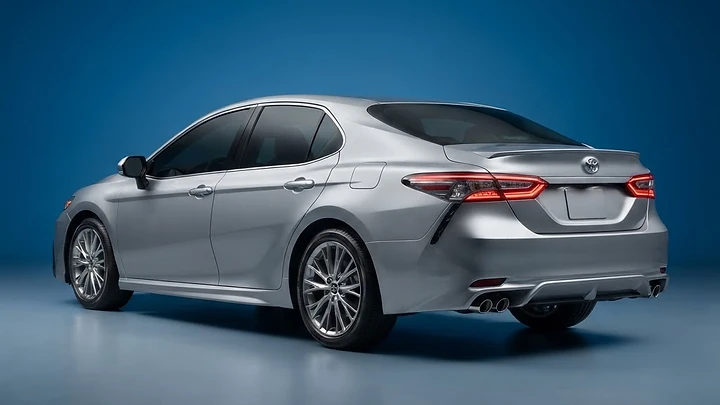

The Tech Behind the Windshield The magic behind these displays relies on sophisticated diffractive optics and waveguide technology.
Manufacturers are moving away from bulky projector units toward compact, high-resolution systems that can project images at multiple focal distances. This is crucial because it prevents eye strain; your eyes don't have to constantly refocus between the near-field dashboard and the far-field road. As we look toward 2026 and beyond, the integration of AI will allow these systems to become even more context-aware, filtering out unnecessary "clutter" to show only what is essential for the current driving situation. 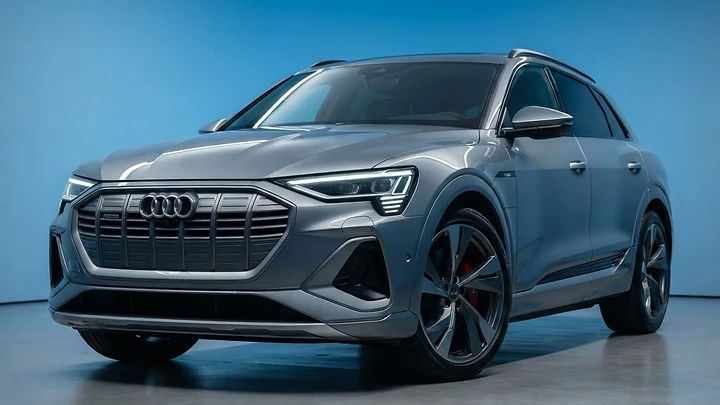

Balancing Innovation and Distraction While the tech is awe-inspiring, there is a healthy debate about "screen creep." With some 2026 models featuring massive, pillar-to-pillar displays, regulators and safety organizations like Euro NCAP are pushing back, emphasizing the need for physical buttons and intuitive interfaces. The best AR-HUDs are those that provide information only when needed, ensuring that the windshield remains a window to the world rather than a distraction. When shopping for your next vehicle, look for systems that prioritize clarity and ease of use over sheer volume of data. 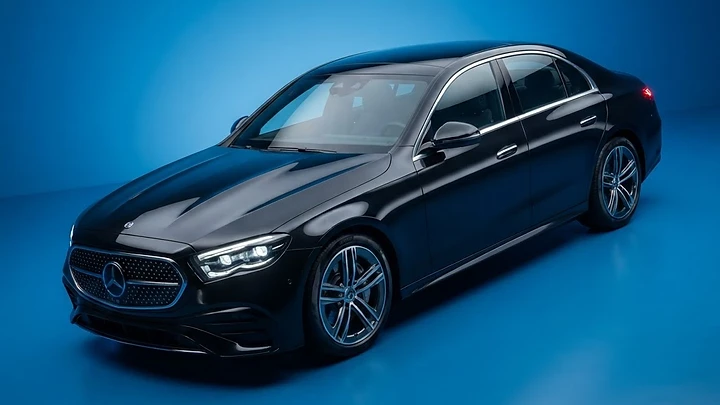

Frequently Asked Questions
Are AR-HUDs standard on all 2026 vehicles?
No, they are currently found primarily in luxury and premium trim levels, though they are beginning to trickle down to mainstream models as optional equipment. #
Can I customize what appears on my AR display?
Yes, most modern systems allow you to toggle specific features like navigation, speed limits, and driver-assistance status to suit your personal preference. #
Does the AR display work with polarized sunglasses?
Many newer systems are designed to be compatible with polarized lenses, but it is always best to test this during a dealership test drive. #
Will AR-HUDs make me a better driver?
They can certainly help by reducing distraction and providing better situational awareness, but they are a supplement to, not a replacement for, attentive driving.
The Bottom Line The rise of AR-HUD technology represents a massive leap forward in automotive engineering.
It turns the act of driving into a more intuitive, safer, and frankly, more magical experience. If you are in the market for a new car in 2026, prioritize vehicles that offer a well-integrated HUD. It is one of the few "tech" features that genuinely improves the core experience of being behind the wheel, helping you navigate the world with newfound confidence and clarity.
The cars in this story
The real price and honest verdict on each one
- 2026 Mercedes-Benz E-ClassMid-Size Luxury Sedan · from $63,450
- 2026 Audi Q8Mid-Size Luxury SUV · from $75,600
- 2026 Audi Q8 e-tronMid-Size SUV · from $75,600
- 2026 Toyota CamryMid-Size Sedan · from $28,850
More car news

2026 Car Buying: How to Navigate High Prices and Tech
Buying a car in 2026? Discover how to navigate record-high prices, essential tech features, and shifting market trends to secure the best deal for your needs.

Software-Defined Cars: The 2026 Honest Buyer’s Guide
Are software-defined cars worth the hype? Discover how over-the-air updates and subscription features are changing the 2026 car buying experience.

Head-Up Displays: Are They Worth It in 2026?
Are head-up displays worth the upgrade in 2026? We break down the safety, tech, and real-world value of HUDs to help you decide if you need one.