Are Dash Cams Worth It? The 2026 Honest Buyer’s Guide
Considering a dash cam for your vehicle? We break down the real-world benefits, costs, and tech you need to know to protect your investment in 2026.
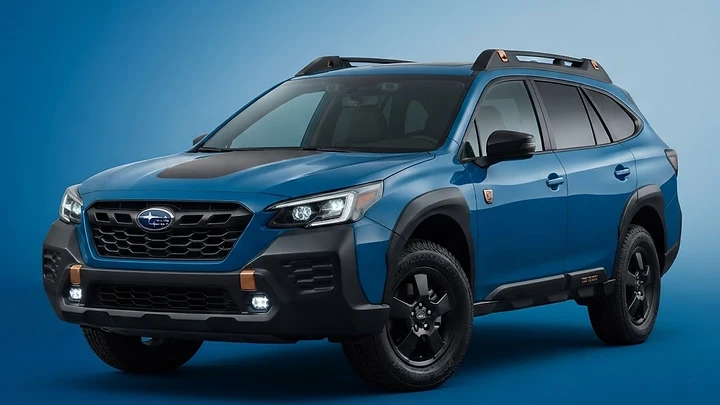
There is a specific kind of silence that falls over a driver when they realize they have just witnessed the impossible—a sudden swerve, a near-miss, or the chaotic aftermath of a collision. In those moments, the world feels fragile, and the open road, once a symbol of freedom, suddenly feels like a place of uncertainty. As an American car buyer in 2026, you are navigating a landscape where vehicle technology is evolving faster than ever, yet the basic need for peace of mind remains constant. Whether you are piloting a rugged 2026 Subaru Outback Wilderness through mountain passes or commuting in a fuel-efficient 2026 Toyota Camry, the question of whether a dash cam is worth the investment is one that every responsible owner should ask.
Why Dash Cams Are More Than Just Gadgets For many, a dash cam is viewed as a high-tech accessory, but in reality, it is your most reliable witness.
In 2026, the market is flooded with options, but the core value remains the same: objective evidence. If you are involved in an accident, human memory is notoriously unreliable, and insurance disputes can drag on for months. A high-quality recording can be the difference between a clear-cut claim and a costly "he-said, she-said" battle. Beyond accidents, modern dash cams offer features like 24-hour parking mode, which uses G-sensors to detect impacts while your car is parked at the grocery store or your office. For owners of premium vehicles like the 2026 BMW X5, this provides a layer of security that standard alarms simply cannot match. 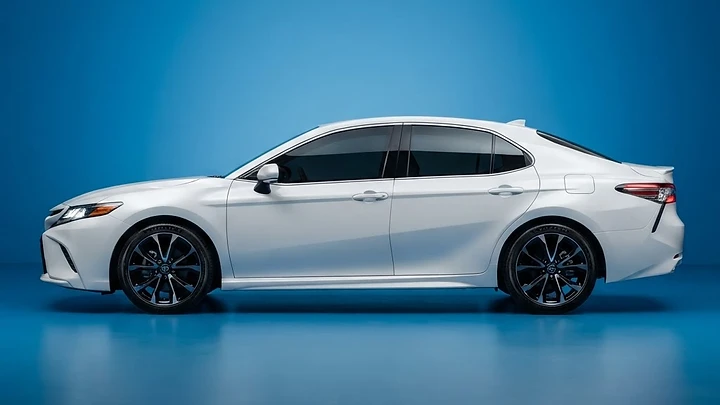
Understanding the Tech: Resolution and Sensors When shopping, you will see terms like 4K, STARVIS 2, and frame rates.
It is easy to get lost in the marketing, but here is the honest truth: resolution is only half the battle. A 4K camera is excellent, but if the sensor cannot handle low-light conditions, you will end up with grainy, useless footage at night. Look for cameras equipped with Sony STARVIS 2 sensors, which are currently the gold standard for capturing license plates and details in challenging lighting. For most drivers, a 1440p or 4K front camera paired with a 1080p rear camera provides the perfect balance of detail and storage efficiency. Avoid the temptation to buy the cheapest "no-name" unit on the internet; these often use outdated lithium batteries that can fail in the extreme heat of a parked car. Instead, prioritize models with supercapacitors, which are designed to withstand the temperature fluctuations of an American summer. 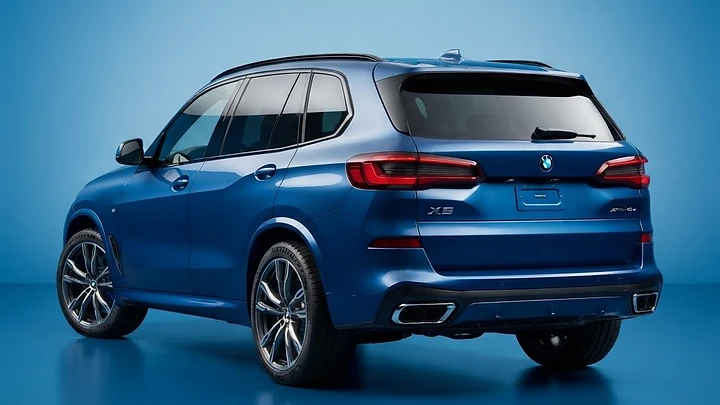

Installation and Windshield Real Estate One of the biggest hesitations for buyers is the fear of a cluttered windshield.
Modern dash cams have become significantly more discreet. Many 2026 models, such as the Viofo A229 Pro or the Garmin Dash Cam Live, are designed to tuck neatly behind the rearview mirror. If you are not comfortable with hardwiring a camera into your vehicle’s fuse box for parking mode, professional installation is often available at local car audio shops for a reasonable fee. Remember, a dash cam should be a "set it and forget it" device. If you find yourself constantly fiddling with the mount or the app, it is not doing its job. 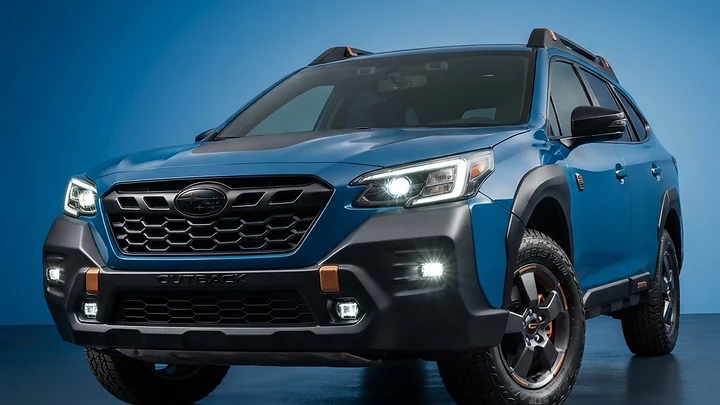

Frequently Asked Questions
Do dash cams lower my insurance premiums?
While most major U.S. insurers like State Farm or GEICO do not offer a direct "dash cam discount," the long-term savings come from avoiding at-fault claims. Having video evidence can prevent your premiums from skyrocketing after an accident that wasn't your fault. #
Is a rear-facing camera necessary?
Yes. Many accidents occur at intersections or in parking lots where a front-facing camera would miss the impact. A dual-channel system (front and rear) is the industry-recommended standard for complete coverage. #
What is the difference between a battery and a supercapacitor?
Lithium batteries can swell or fail when exposed to high heat inside a parked car. Supercapacitors are much more durable and are the preferred power source for reliable, long-term dash cam operation in 2026. #
Can I use a dash cam for rideshare driving?
Absolutely. If you drive for Uber or Lyft, look for a 3-channel system that includes an interior-facing camera. This protects you from false passenger claims and provides a record of the cabin environment. 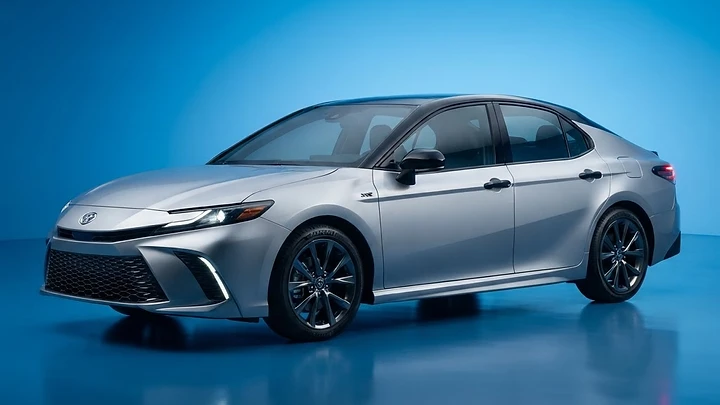

The Bottom Line For the average American driver, a dash cam is absolutely worth the investment.
It is a one-time cost—typically between $150 and $350 for a high-quality dual-channel system—that provides years of protection. If you prioritize reliability, look for a system with a supercapacitor and a Sony STARVIS 2 sensor. Don't get distracted by gimmicky features like built-in AI driver assists, which are often less effective than the safety systems already built into your 2026 vehicle. Buy for video quality, durability, and ease of use. When you pull out of your driveway, you deserve the confidence of knowing that if the unexpected happens, you have the truth on your side.
The cars in this story
The real price and honest verdict on each one
- 2026 Toyota CamryMid-Size Sedan · from $28,850
- 2026 BMW X5Mid-Size SUV · from $66,775
- 2026 Subaru OutbackOff-Road SUV · from $34,995
More car news

2026 Car Buying: How to Navigate High Prices and Tech
Buying a car in 2026? Discover how to navigate record-high prices, essential tech features, and shifting market trends to secure the best deal for your needs.

Software-Defined Cars: The 2026 Honest Buyer’s Guide
Are software-defined cars worth the hype? Discover how over-the-air updates and subscription features are changing the 2026 car buying experience.

Head-Up Displays: Are They Worth It in 2026?
Are head-up displays worth the upgrade in 2026? We break down the safety, tech, and real-world value of HUDs to help you decide if you need one.