Biometric Car Tech: Is Your 2026 Vehicle Watching You?
Are biometric car features the future of security or a privacy risk? We break down how facial recognition and fingerprint tech are changing your 2026 car.
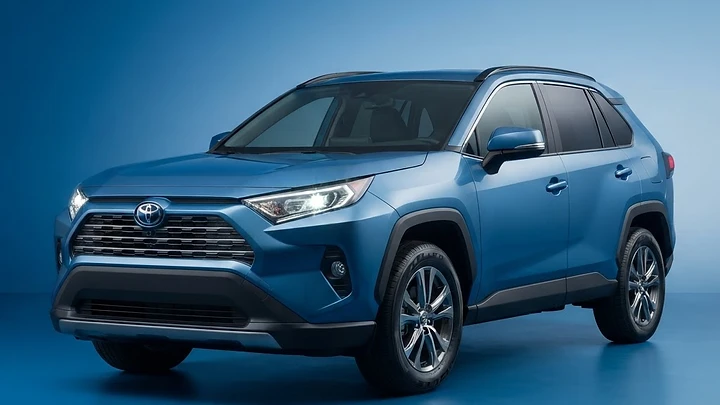
Imagine walking toward your driveway on a crisp morning, your hands full of groceries and a gym bag. You don't fumble for a key fob or even pull out your smartphone. As you approach, your vehicle recognizes your face, unlocks the doors, and adjusts the driver’s seat to your exact preference before you even touch the handle. This isn't science fiction; it is the rapidly evolving reality of biometric car technology in 2026. As automotive engineering pushes the boundaries of what a machine can do, the integration of biological authentication is transforming the way we interact with our vehicles, turning them from simple tools into personalized, secure sanctuaries.
The Rise of Biometric Authentication in Modern Vehicles The automotive industry is currently undergoing a massive shift toward software-defined architectures, and biometrics are at the forefront of this change.
In 2026, we are seeing a surge in vehicles—from the practical 2026 Toyota RAV4 to high-end luxury sedans—incorporating advanced sensors that identify the driver through facial recognition, fingerprint scanning, or even iris detection. According to recent market assessments, the automotive biometric sector is expected to grow at a significant CAGR of over 15% through 2034, driven by a demand for both heightened security and seamless personalization. For the average buyer, this means your car is no longer just a mode of transport; it is a device that knows exactly who is behind the wheel. 
Security vs.
Convenience: Why Automakers Are Investing Automakers are investing heavily in these systems for two primary reasons: fraud prevention and user experience. Dealerships have reported a rise in identity-related fraud, and biometric verification provides a nearly foolproof way to ensure that the person starting the engine is the authorized owner. Beyond security, the convenience factor is undeniable. When your car recognizes you, it can automatically load your preferred climate settings, mirror positions, and even your favorite navigation routes. This level of personalization was once reserved for ultra-luxury vehicles, but as hardware costs decrease, we are seeing these features trickle down into mid-sized and compact models. 

Privacy Concerns in the Age of Smart Cars While the "wow" factor of a car that knows you is high, it is natural to ask: what happens to my data?
Biometric data—your face, your voice, your fingerprints—is uniquely yours and cannot be changed like a password. As these systems become more prevalent, privacy advocates are rightly pushing for transparency. Most manufacturers are now moving toward "edge computing," where biometric data is processed and stored locally on the vehicle’s hardware rather than being uploaded to a cloud server. Before you purchase a vehicle with these features, always ask your dealer where the data is stored and if you have the option to opt-out of data sharing. 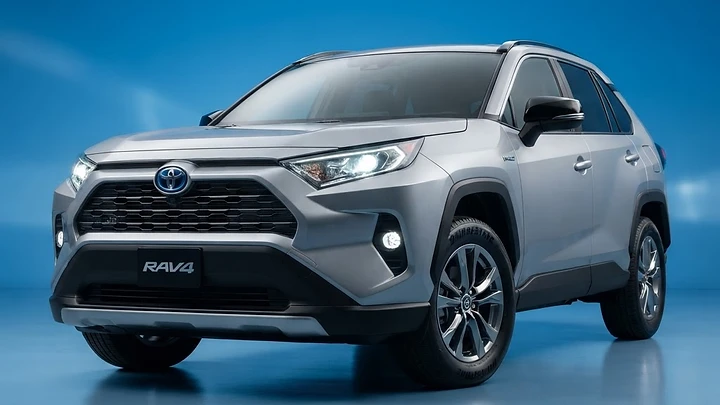

How to Evaluate Biometric Features Before You Buy If you are shopping for a new car in 2026, don't let the "tech-heavy" marketing overwhelm you.
Focus on the utility. Does the facial recognition system work reliably in low light? Is the fingerprint scanner placed in an ergonomic location? For families, consider how these systems handle multiple drivers. A great biometric system should seamlessly switch between profiles for different family members, ensuring that the seat and mirrors are adjusted correctly every time someone new gets in. Always test these features during your test drive—if the system feels clunky or slow, it might be more of a frustration than a convenience. 

Frequently Asked Questions
Is my biometric data stored in the cloud?
Most modern systems process biometric data locally on the vehicle's internal computer to enhance security and speed. Always check the manufacturer's privacy policy to confirm. #
Can I still use a traditional key if the biometric system fails?
Yes, almost all vehicles equipped with biometric entry also include a physical key or a digital key backup via your smartphone. #
Will biometric features increase my insurance premiums?
Currently, these features are often viewed as security enhancements, which may actually help lower insurance costs by reducing the risk of vehicle theft. #
Are these features standard or optional?
Most biometric features are currently offered as part of premium technology packages or higher trim levels, though they are becoming more common in mid-range models.
The Bottom Line Biometric technology is an exciting leap forward that makes the driving experience more personal and secure than ever before.
If you value convenience and are comfortable with the trade-offs, these features can turn your daily commute into a truly bespoke experience. However, as with any new tech, prioritize your privacy by understanding how your data is handled. For most buyers, the 2026 model year offers a perfect "sweet spot" where this tech is reliable enough to be useful but still optional enough to avoid if you prefer a more traditional, analog driving experience.
The cars in this story
The real price and honest verdict on each one
Every model, side by sideMore car news

2026 Car Buying: How to Navigate High Prices and Tech
Buying a car in 2026? Discover how to navigate record-high prices, essential tech features, and shifting market trends to secure the best deal for your needs.

Software-Defined Cars: The 2026 Honest Buyer’s Guide
Are software-defined cars worth the hype? Discover how over-the-air updates and subscription features are changing the 2026 car buying experience.


Head-Up Displays: Are They Worth It in 2026?
Are head-up displays worth the upgrade in 2026? We break down the safety, tech, and real-world value of HUDs to help you decide if you need one.