Biometric Car Tech: Is Your Next Vehicle Spying on You?
Are biometric features like facial recognition and fingerprint scanners worth it? We break down the reality of 2026 car tech and what it means for your privacy.
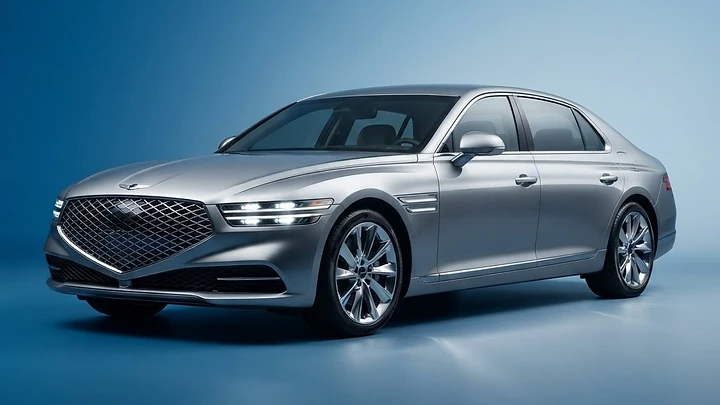
There is a quiet revolution happening inside the cabin of your next vehicle. As you approach a 2026 model, the car may no longer just wait for a key fob; it may recognize the unique geometry of your face or the specific ridges of your fingerprint to unlock the door and prime the engine. This isn't science fiction—it is the rapidly evolving world of biometric car tech. For the modern American buyer, this shift promises a seamless, keyless future, but it also raises profound questions about data privacy and the security of your personal information.
The Rise of Biometric Vehicle Access In 2026, manufacturers like Genesis and Cadillac are leading the charge in integrating biometric authentication directly into the ownership experience.
Imagine walking up to your vehicle, having the door unlock automatically via infrared facial recognition, and starting the engine with a simple touch of a sensor. This technology is designed to eliminate the 'fumble for keys' moment, offering a level of convenience that feels almost magical. However, it is important to distinguish between high-end luxury implementations and the broader industry trend toward digital identity verification. While some vehicles use biometrics for entry, most dealerships are now using similar AI-powered identity verification tools to prevent fraud during the financing process. 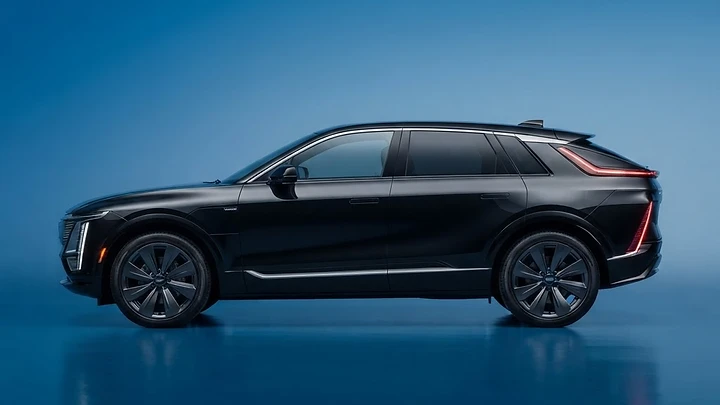
Privacy Concerns in the Connected Era Your car is increasingly becoming a data-gathering hub.
Recent studies have highlighted that modern vehicles often share significant amounts of data with third-party tech companies. When you opt for features like voice assistants or biometric entry, you are essentially inviting more sensors into your personal space. The primary concern for many buyers is the 'data ecosystem'—where does your facial map or fingerprint data go? Most automakers claim this data is stored locally on the vehicle's hardware, but as systems become more connected to cloud-based services for updates and payments, the line between local storage and external transmission blurs. Always ask your dealer: 'Is my biometric data stored locally, and can I opt out of data sharing?' 

AI and the Future of Driver Monitoring Beyond entry, biometric tech is moving inside the cabin to monitor your state of mind.
Advanced Driver Monitoring Systems (DMS) now use eye-tracking and vital sign sensors to ensure you remain attentive on the road. While this is a massive leap forward for safety—potentially preventing accidents caused by fatigue or distraction—it adds another layer of surveillance to your daily commute. These systems are becoming standard in vehicles equipped with Level 2+ automated driving features, such as the 2026 Cadillac Lyriq or various high-end Genesis models. The goal is to create a safer environment, but it requires a level of trust between the driver and the machine that many are still navigating. 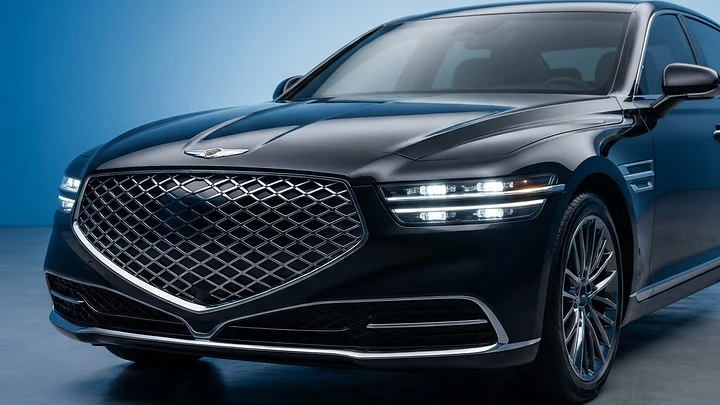

Protecting Yourself Against Digital Fraud As car buying moves online, the risk of sophisticated fraud, including deepfakes, has increased.
Dealerships are now using biometric verification to ensure that the person signing the contract is truly who they claim to be. If you are buying a car remotely, be wary of any process that feels too automated or lacks a human touch. Legitimate dealers will use secure, multi-factor authentication. If you feel pressured to provide biometric data without a clear explanation of how it is protected, walk away. Your identity is your most valuable asset; don't trade it for a 'frictionless' transaction that lacks basic security protocols. 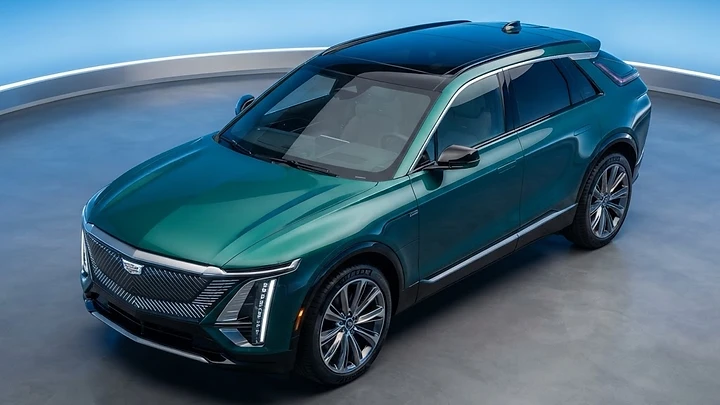

Frequently Asked Questions
Do all 2026 cars have facial recognition?
No. Biometric entry and ignition systems are currently limited to select luxury models. Most mainstream vehicles still rely on traditional key fobs or smartphone-based digital keys. #
Is my fingerprint data stored on the car's server?
Most manufacturers state that biometric data is encrypted and stored locally on the vehicle's internal hardware. However, you should always review the privacy policy of the specific brand you are considering. #
Can I disable driver monitoring systems?
While you can often adjust the sensitivity of driver monitoring, disabling it entirely may limit the functionality of advanced safety features like lane-centering or adaptive cruise control. #
Is biometric tech worth the extra cost?
If you value convenience and are comfortable with the privacy trade-offs, it can be a game-changer. If you are a privacy-conscious buyer, you may prefer a vehicle with more traditional, analog controls.
The Bottom Line Biometric technology in 2026 is a double-edged sword.
It offers unparalleled convenience and safety, but it demands a higher level of digital literacy from the buyer. Before you sign on the dotted line for a vehicle loaded with sensors and scanners, ask for a clear explanation of how your data is handled. If the tech feels like an unnecessary intrusion, there are plenty of excellent, reliable vehicles that prioritize the driving experience over digital integration. Choose the car that fits your life, not just the one with the most impressive spec sheet.
The cars in this story
The real price and honest verdict on each one
Every model, side by sideMore car news

Used Hybrid Cars: The 2026 Honest Buyer’s Guide
Considering a used hybrid? Discover why these fuel-efficient vehicles are trending in 2026 and how to find a reliable deal without overpaying.

2026 Car Buying: How to Navigate High Prices and Tech
Buying a car in 2026? Discover how to navigate record-high prices, essential tech features, and shifting market trends to secure the best deal for your needs.

Software-Defined Cars: The 2026 Honest Buyer’s Guide
Are software-defined cars worth the hype? Discover how over-the-air updates and subscription features are changing the 2026 car buying experience.