Car Depreciation 2026: How to Protect Your Investment
Understand how car depreciation works in 2026. Learn which vehicles hold value best and actionable strategies to minimize your financial loss when buying.
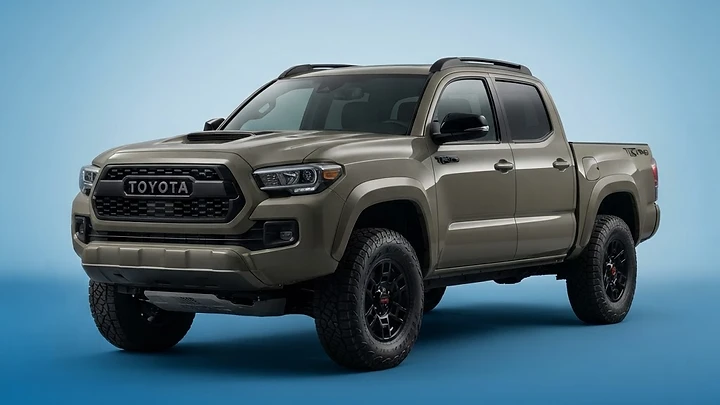
There is a quiet, invisible force working against every car owner the moment they turn the ignition for the first time. It is not the road, the weather, or the miles on the odometer—it is the relentless march of car depreciation. Imagine standing on a cliffside overlooking the Pacific, the salt air crisp against your skin, watching the sun dip below the horizon; that sense of fleeting beauty is exactly what happens to your vehicle's market value. In 2026, understanding this financial reality is the difference between a smart investment and a costly mistake. Whether you are eyeing a rugged truck or a sleek sedan, knowing how to navigate the depreciation curve is your most powerful tool for long-term financial freedom.
The Reality of the Depreciation Curve in 2026 Car depreciation is the decline in a vehicle's value due to age, mileage, and market demand.
According to 2026 market data, the average new vehicle loses approximately 12.5% of its value in the first year alone. By the end of five years, many vehicles retain only about 58% to 66% of their original purchase price. This isn't just a number on a spreadsheet; it is the equity you lose every time you park in your driveway. While luxury vehicles often see the steepest initial drops, mainstream models with proven reliability—like the Toyota Tacoma or Honda CR-V—tend to hold their value with remarkable resilience. 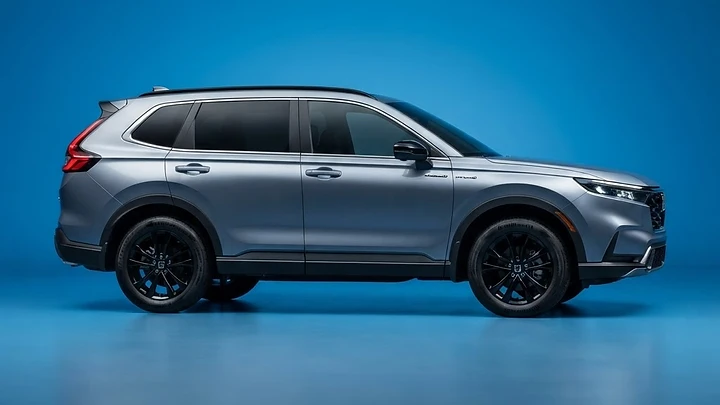
Why Some Cars Hold Value Better Than Others Not all vehicles are created equal when it comes to resale.
Popularity, brand reputation, and segment demand play massive roles. In 2026, body-on-frame SUVs and midsize trucks remain the gold standard for value retention. Conversely, high-tech electric vehicles (EVs) have faced faster depreciation rates due to rapid advancements in battery technology and shifting federal tax credit landscapes. If you are looking for a vehicle that acts as a financial anchor rather than a sinking ship, prioritize brands that avoid heavy discounting and maintain a long-standing reputation for mechanical longevity. 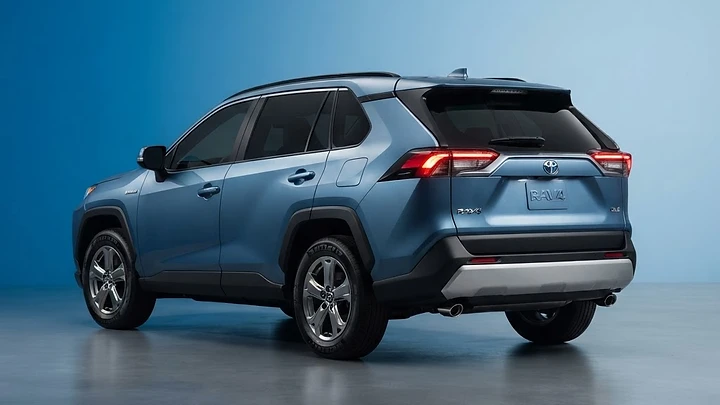

Strategic Buying: The Three-Year Sweet Spot If you want to avoid the most painful part of the depreciation curve, consider the "three-year rule." By purchasing a vehicle that is three to four years old, you allow the previous owner to absorb the steepest initial value drop. A 2023 model, for instance, has already cleared the "new car" premium, yet it likely still features modern safety tech, reliable performance, and plenty of useful life. This strategy allows your dollar to go significantly further, ensuring that more of your payment builds equity rather than evaporating into thin air. 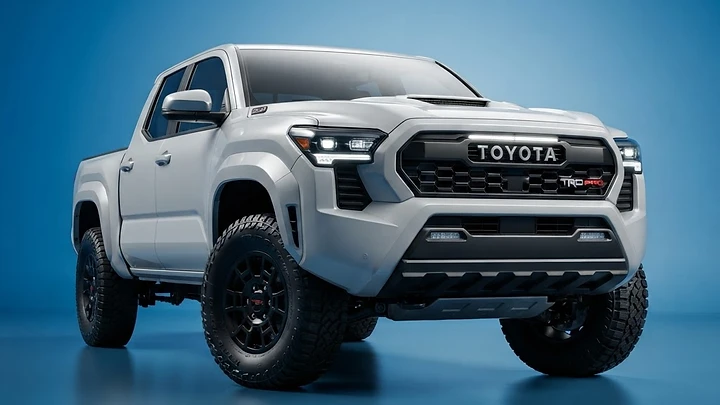

Protecting Your Investment: Practical Maintenance Tips Once you own your vehicle, your habits dictate its future worth.
Consistent, documented maintenance is the single most effective way to preserve value. Keep every receipt, oil change record, and service invoice in a dedicated folder. When it comes time to sell or trade in, this "paper trail" proves to a buyer that the car was treated with respect. Additionally, avoid aggressive aftermarket modifications. While a custom exhaust or oversized wheels might appeal to you, they often limit the pool of potential buyers and can actually decrease your vehicle's resale value. 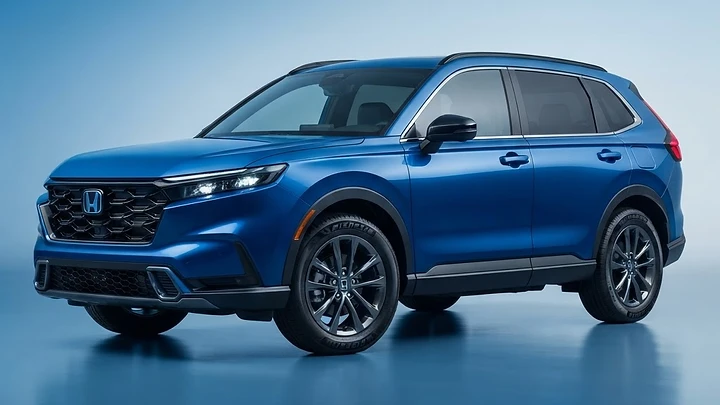

Frequently Asked Questions
How much does a car depreciate in the first year?
On average, a new vehicle loses about 12.5% to 15% of its value in the first year, though this varies significantly by brand and vehicle segment. #
Is it better to buy new or used to avoid depreciation?
Buying a three-year-old used car is generally the best way to avoid the steepest part of the depreciation curve, as the initial owner has already paid for the largest value drop. #
Do electric vehicles depreciate faster than gas cars?
In 2026, EVs often depreciate faster than gas-powered vehicles due to rapid changes in battery technology and concerns regarding long-term battery health. #
Does the color of my car affect its resale value?
Yes, neutral colors like white, silver, black, and gray typically appeal to a broader market, making them easier to resell and often helping them hold value better than niche or bright colors.
The Bottom Line Car depreciation is an inescapable fact of ownership, but it does not have to be a source of anxiety.
By choosing vehicles with strong track records for reliability, opting for the three-year-old "sweet spot" when buying, and maintaining your vehicle with meticulous care, you can significantly mitigate your losses. Treat your car as an asset, keep your records clean, and focus on long-term value rather than short-term trends. Your future self—and your bank account—will thank you.
The cars in this story
The real price and honest verdict on each one
- 2026 Honda CR-VCompact SUV · from $30,920
- 2026 Lucid AirLuxury Electric Sedan · from $70,900
- 2026 Toyota TacomaMid-Size Pickup · from $31,500
- 2026 Toyota RAV4Compact SUV · from $31,900
More car news

The 2026 Car Market: How to Buy Smart When Prices Are High
Navigating the 2026 car market? Discover how to secure a fair deal, manage affordability, and choose the right vehicle amidst record-high average prices.

Best Time to Trade In a Car: The 2026 Honest Buyer’s Guide
Wondering when to trade in your car? Discover the optimal timing, market trends, and financial strategies to maximize your vehicle's value in 2026.

Smart Car Buying: Navigating the 2026 Market With Confidence
Master the 2026 car buying market with our honest guide. Learn how to secure financing, avoid hidden fees, and find the right vehicle for your budget today.