Car Detailing 101: How to Keep Your Car Looking Brand New
Master the art of car detailing to protect your investment, maintain resale value, and keep your vehicle looking showroom-fresh for years to come.
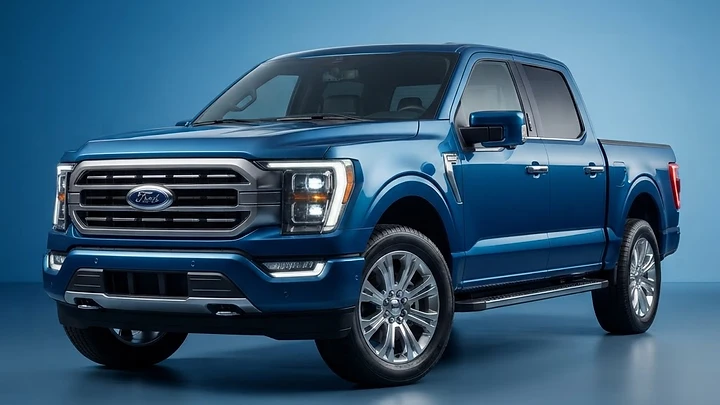
There is a specific, quiet magic in the way a brand-new car catches the morning light. The paint glows with a depth that seems to hold the sky, the wheels gleam with precision, and the entire machine feels like a promise of adventure waiting to be fulfilled. As an owner, that feeling doesn't have to fade. By mastering the fundamentals of car detailing, you aren't just washing a vehicle; you are preserving a piece of engineering art and protecting your financial investment. Whether you drive a rugged 2026 Ford F-150 or a sleek 2026 Hyundai Ioniq 6, consistent care is the secret to long-term pride of ownership.
Why Regular Detailing Matters Beyond the Shine Many buyers view car cleaning as a chore, but it is actually the most effective form of preventative maintenance.
Environmental contaminants like bird droppings, tree sap, road salt, and UV rays are constantly attacking your vehicle’s clear coat. If left unchecked, these elements lead to oxidation, paint fading, and even corrosion. Regular detailing—which goes beyond a simple drive-through wash—removes these hazards before they can cause permanent damage. Furthermore, a well-maintained exterior and interior can significantly boost your vehicle's resale value. When it comes time to trade in or sell, a car that looks cared for signals to the next buyer that the mechanical components were likely treated with the same level of respect. 
The Essential Detailing Toolkit You don't need a professional garage to achieve professional results.
Start with the basics: a high-quality pH-neutral car shampoo, a dedicated wash mitt (microfiber or lambswool), two buckets (one for soapy water, one for rinsing), and a collection of clean microfiber towels. For those looking to step up their game, a foam cannon or a high-quality pressure washer like the AVA of Norway Evolution P70 can make the process faster and safer by lifting dirt without excessive scrubbing. Avoid household detergents at all costs; they strip away protective waxes and can dry out rubber seals. 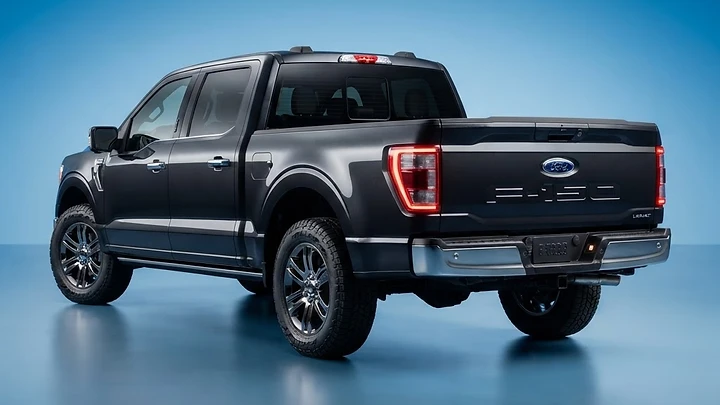

Step-by-Step: The Proper Wash Technique Always wash your car in the shade when the panels are cool to the touch.
Start with the wheels, as they are typically the dirtiest part of the vehicle. Use a dedicated wheel cleaner to break down brake dust. Once the wheels are done, rinse the entire car thoroughly to remove loose grit. Using the two-bucket method, wash the car from the top down, rinsing your mitt frequently in the clean water bucket to ensure you aren't dragging dirt across the paint. After washing, dry the vehicle immediately with a clean, plush microfiber towel to prevent water spots, which are caused by minerals left behind as water evaporates. 

Protecting Your Investment: Wax vs.
Ceramic Coatings Once the paint is clean, it needs a layer of protection. Traditional car waxes offer a deep, warm glow but require frequent reapplication. For the modern owner, ceramic coatings or spray-on foam sealants are game-changers. These products create a hydrophobic barrier that repels water, dirt, and grime, making your next wash significantly easier. Products like the Gyeon Q2M Bathe or the Soft99 Fusso Coat are highly regarded for their durability and ease of use. Applying a sealant every few months can keep your car’s finish looking like it just rolled off the assembly line, even after years of daily driving. 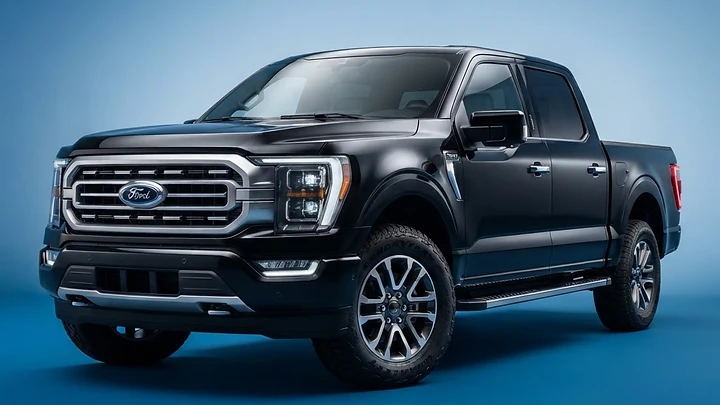

Frequently Asked Questions
How often should I detail my car?
For a daily driver, a thorough wash every two weeks is ideal. If you live in an area with heavy road salt or high pollution, consider a weekly rinse to prevent buildup. #
Can I use a pressure washer on my car?
Yes, but use caution. Keep the nozzle at least 12 inches away from the paint and avoid high-pressure settings on delicate trim or damaged areas of the clear coat. #
Is it okay to wash my car in the rain?
No. Rainwater often contains atmospheric pollutants, and washing in the rain prevents you from properly drying the vehicle, which is essential to avoiding water spots. #
What is the best way to clean the interior?
Start by vacuuming thoroughly, then use a dedicated interior cleaner on the dashboard and door panels. Avoid harsh chemicals; a mild, pH-balanced cleaner is best for protecting leather and soft-touch plastics.
The Bottom Line Car detailing is an act of stewardship.
By dedicating a few hours each month to the proper care of your vehicle, you ensure that your car remains a source of joy rather than a source of stress. Whether you are protecting the paint of a new purchase or refreshing a long-term companion, the effort you put in today pays dividends in both aesthetics and value tomorrow. Keep it clean, keep it protected, and enjoy every mile of the journey.
The cars in this story
The real price and honest verdict on each one
Every model, side by sideMore car news


Car Interior Detailing: The 2026 Honest Maintenance Guide
Master car interior detailing with our 2026 guide. Learn the right order, safe products, and maintenance tips to protect your vehicle's value and comfort.


Is Ceramic Coating Worth It? The 2026 Honest Buyer’s Guide
Considering ceramic coating for your car? We break down the real-world benefits, costs, and whether it’s actually worth the investment for your vehicle.


Car Maintenance Costs 2026: The Honest Buyer’s Guide
Don't let surprise repair bills ruin your budget. Discover the real 2026 car maintenance costs and how to choose a reliable vehicle that saves you money.