Car Interior Detailing: The 2026 Honest Maintenance Guide
Master car interior detailing with our 2026 guide. Learn the right order, safe products, and maintenance tips to protect your vehicle's value and comfort.
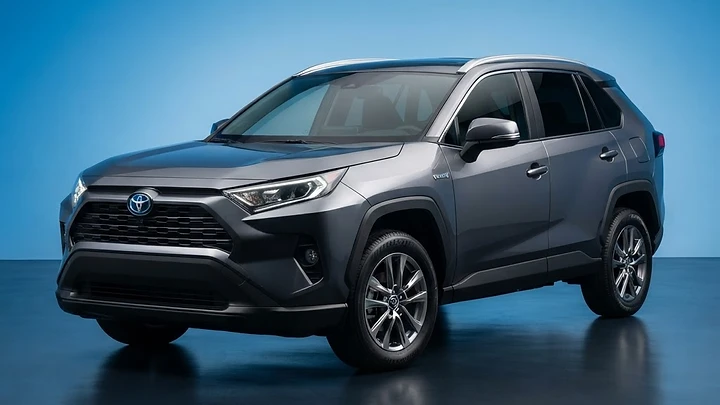
There is a specific, quiet magic to stepping into a car that feels brand new. The scent of clean materials, the clarity of the glass, and the way the sunlight catches a dust-free dashboard can turn a mundane commute into a moment of genuine peace. Whether you are driving a rugged 2026 Toyota RAV4, a sophisticated BMW 5 Series, or a family-focused Honda Odyssey, your vehicle is more than just a machine; it is a sanctuary that carries your most precious cargo. Maintaining that pristine feeling isn't just about vanity—it is about preserving the long-term value of your investment and ensuring your cabin remains a healthy, inviting space for every mile ahead.
The Strategic Order of Interior Detailing Many owners make the mistake of starting with the seats or the dashboard, only to find that cleaning the ceiling or windows later knocks dust and debris right back onto their hard work.
To detail like a professional, you must follow a top-down, back-to-front approach. Start by clearing out all personal items and floor mats. Begin with the headliner and upper pillars, then move to the dashboard, center console, and door panels. Only after these surfaces are wiped down should you tackle the seats and, finally, the carpets. This gravity-fed method ensures that every speck of dust is captured in the final vacuuming stage, leaving your cabin truly spotless. 
Choosing the Right Cleaners for 2026 Materials Modern vehicles are marvels of material science, featuring everything from vegan leather and Alcantara to high-gloss piano black trim and sensitive touchscreens.
Using a generic household cleaner can be a costly mistake, potentially stripping protective coatings or causing permanent streaks on delicate displays. For 2026 models, prioritize pH-neutral interior detailers that are safe for multiple surfaces. If you have genuine leather seats, invest in a dedicated leather cleaner and conditioner to prevent cracking and maintain that supple, factory-fresh feel. Always test any new product on a small, inconspicuous area—like the underside of a seat—before applying it to the entire cabin. 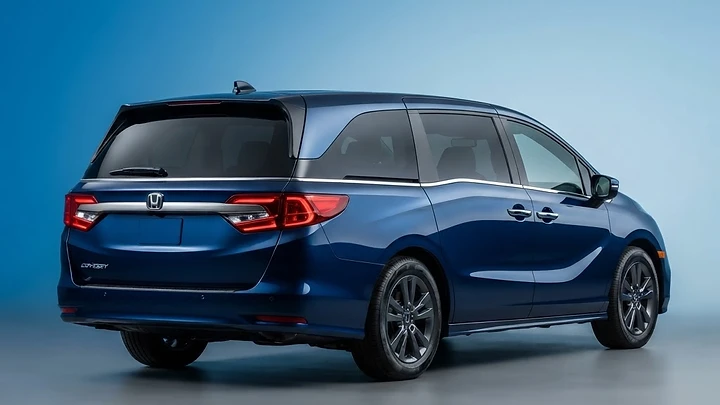

Deep Cleaning Seats and Upholstery Your seats endure the most wear and tear, from spilled coffee to the daily accumulation of oils and grime.
For fabric upholstery, a portable carpet and upholstery cleaner is your best friend. These machines use water and specialized solutions to lift deep-seated dirt that a vacuum simply cannot reach. If you are dealing with stubborn stains, look for enzyme-based pretreatments that break down organic matter. For leather, avoid over-saturating the material; instead, use a soft-bristled brush to gently agitate the cleaner into the grain, then wipe away the residue with a clean microfiber cloth. 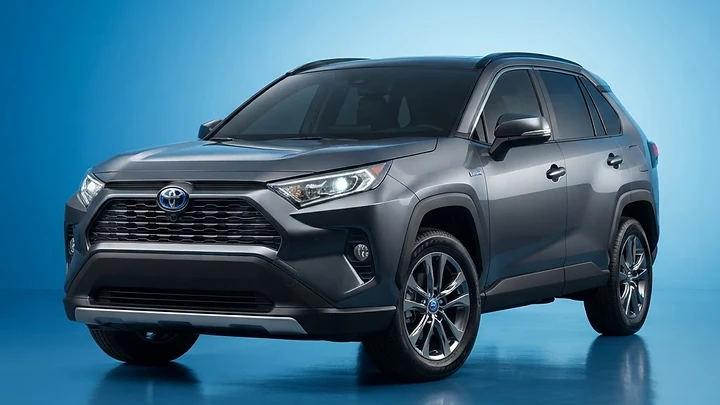

Maintaining Visibility and Touchscreen Clarity In the age of massive infotainment displays, keeping your screens and windows clear is a safety necessity.
Use a dedicated, streak-free glass cleaner for your windows, and apply it to your microfiber towel rather than directly onto the glass to prevent overspray from dripping into door electronics. For your center touchscreen, use a dry or slightly damp microfiber cloth specifically designed for electronics. Avoid ammonia-based cleaners at all costs, as they can damage the anti-glare coatings found on most 2026 vehicle displays. 

Frequently Asked Questions
How often should I detail my car interior?
For most drivers, a thorough interior detail every 3 to 4 months is sufficient. However, if you have pets or children, a monthly quick-clean of high-touch areas will prevent long-term buildup. #
Can I use household products to clean my car?
It is best to avoid them. Household glass cleaners often contain ammonia, and dish soaps can be too harsh for automotive plastics and leather, potentially leading to fading or cracking over time. #
What is the best way to remove pet hair?
A rubber-bristled brush or a specialized pet hair removal tool works wonders by creating static electricity that pulls hair out of carpet fibers. Follow this with a high-powered vacuum to lift the loosened hair. #
Is steam cleaning safe for my car?
Steam is excellent for sanitizing and deep cleaning, but use it with caution. Avoid using steam on electronics, delicate leather, or headliners, as the moisture can cause sagging or electrical shorts.
The Bottom Line Maintaining your car’s interior is an act of care that pays dividends in both daily enjoyment and resale value.
By following a systematic, top-down cleaning process and using products specifically formulated for modern automotive materials, you can keep your vehicle looking and smelling like the day you drove it off the lot. Remember, consistency beats intensity; a quick 10-minute wipe-down every two weeks is far more effective than a grueling deep-clean once a year.
The cars in this story
The real price and honest verdict on each one
- 2026 BMW 5 SeriesMid-Size Sedan · from $59,375
- 2026 Toyota RAV4Compact SUV · from $31,900
- 2026 Honda OdysseyMinivan · from $42,795
- 2026 Lucid GravityLuxury SUV · from $79,900
More car news


Is Ceramic Coating Worth It? The 2026 Honest Buyer’s Guide
Considering ceramic coating for your car? We break down the real-world benefits, costs, and whether it’s actually worth the investment for your vehicle.


Car Maintenance Costs 2026: The Honest Buyer’s Guide
Don't let surprise repair bills ruin your budget. Discover the real 2026 car maintenance costs and how to choose a reliable vehicle that saves you money.


When to Replace Tires: The 2026 Honest Buyer’s Guide
Wondering when to replace tires? Learn the signs of wear, safety thresholds, and how to maximize your investment with this honest 2026 maintenance guide.