Is Ceramic Coating Worth It? The 2026 Honest Buyer’s Guide
Considering ceramic coating for your car? We break down the real-world benefits, costs, and whether it’s actually worth the investment for your vehicle.
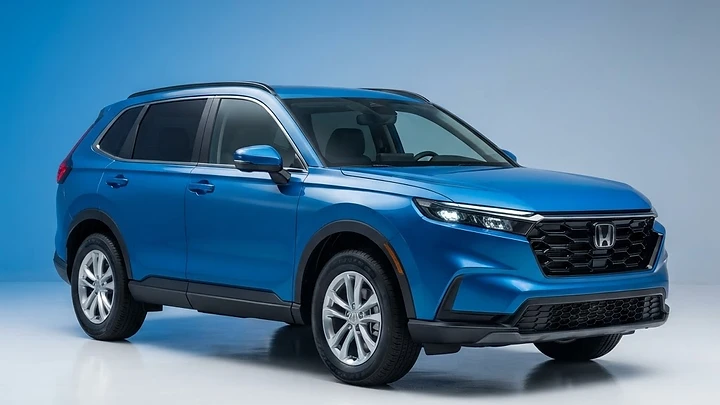
There is a specific, quiet magic to walking out to your driveway on a crisp morning and seeing your car catch the light with a mirror-like, liquid depth that seems to defy the elements. For many, that showroom-floor glow is the ultimate expression of pride in ownership. But as any seasoned driver knows, the road is a harsh environment. Between UV rays, road salt, and the inevitable swirl marks from routine washing, keeping that finish pristine feels like a losing battle. This is where ceramic coating enters the conversation as a modern solution for long-term paint preservation.
What Is Ceramic Coating, Really?
At its core, ceramic coating is a liquid polymer, typically silicon dioxide (SiO2) based, that chemically bonds to your vehicle’s clear coat. Unlike traditional car wax, which sits on top of the paint and gradually washes away, a true ceramic coating becomes a semi-permanent layer of protection. Think of it as a sacrificial shield that is harder, more hydrophobic, and significantly more durable than any wax or sealant on the market. When applied correctly, it creates a surface so slick that water beads up and rolls off, carrying dirt and grime with it. This doesn't mean your car becomes self-cleaning, but it does mean that routine maintenance becomes drastically easier. 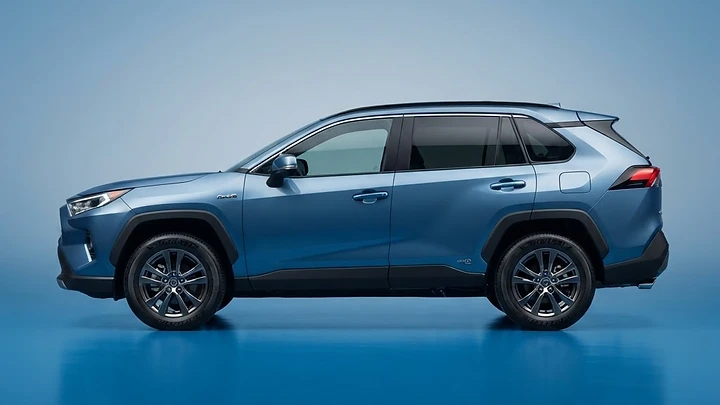
Professional vs.
DIY: The Hidden Reality The market is flooded with DIY ceramic kits, often priced between $50 and $150, promising professional-grade results. While these products have improved significantly by 2026, there is a fundamental difference between a consumer-grade spray and a professional-grade installation. A professional application, which can range from $500 to $2,500, includes a critical step: paint correction. Before the coating is applied, a detailer must remove existing swirl marks, oxidation, and contaminants. If you apply a ceramic coating over imperfect paint, you are essentially locking those defects in for years. Professional installers also use high-solids formulas that provide a thicker, more resilient barrier that can last up to 5 to 9 years, whereas most DIY kits offer 6 to 18 months of protection. 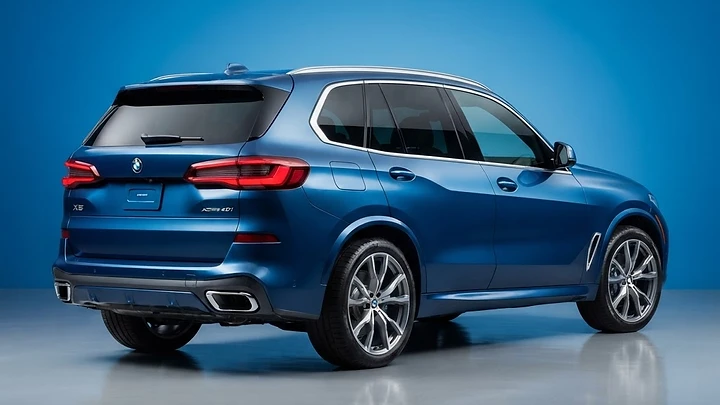

Is Ceramic Coating Worth the Investment?
To determine if this is right for you, look at your ownership timeline. If you are leasing a 2026 Honda CR-V for three years, a professional-grade coating might be overkill unless you simply value the ease of washing. However, if you have purchased a vehicle you plan to keep for five or more years—like a 2026 Toyota RAV4 or a premium 2026 BMW X5—the math changes. By reducing the frequency of deep cleaning and preventing long-term UV damage, you are actively protecting your vehicle's resale value. For daily drivers in harsh climates, the hydrophobic properties make winter maintenance much less of a chore, as road salt and grime struggle to bond to the treated surface. 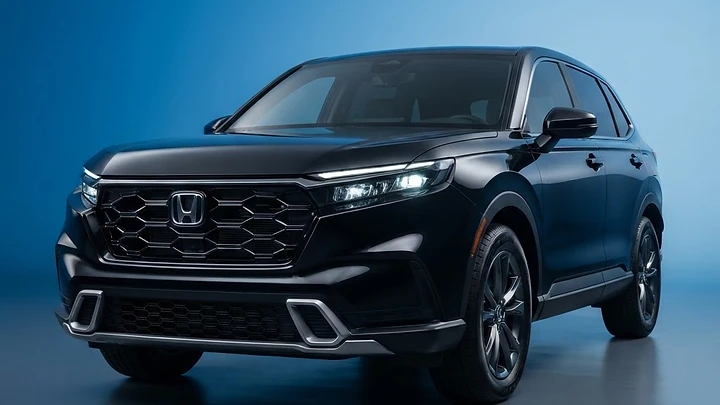

Frequently Asked Questions
Does ceramic coating prevent rock chips?
No. Ceramic coating is scratch-resistant, not scratch-proof. It will not stop a rock from chipping your paint on the highway. For that level of protection, you need Paint Protection Film (PPF).
Can I apply ceramic coating to an older car?
Yes, but you must perform a full paint correction first. Applying it to neglected paint will only highlight the imperfections.
Is dealership ceramic coating a good deal?
Generally, no. Dealerships often charge a premium for what is essentially a consumer-grade spray sealant. Always ask for the specific product name and warranty terms before agreeing to a dealer add-on.
How do I maintain a ceramic-coated car?
You still need to wash it. Use pH-neutral soaps and avoid automatic car washes with abrasive brushes, which can degrade the coating over time. 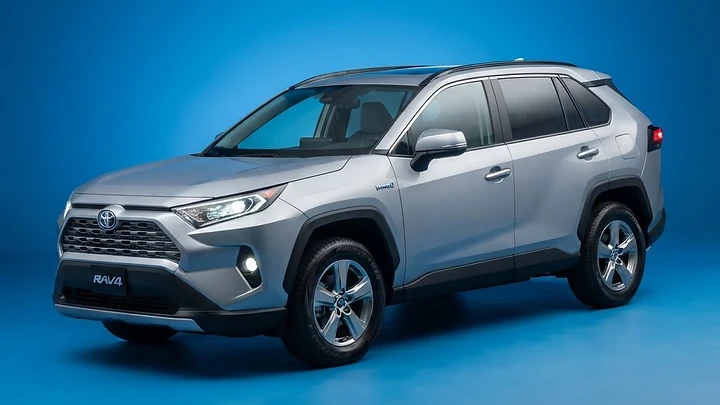

The Bottom Line Ceramic coating is a fantastic tool for the right owner, but it is not a magic bullet.
If you are a car enthusiast who wants to keep your vehicle looking showroom-fresh for years, or if you live in an area where environmental contaminants are a constant battle, it is absolutely worth the investment. However, prioritize professional installation if you want the longevity and warranty that comes with a high-end product. If you are on a budget, a high-quality DIY ceramic spray can still provide a noticeable boost in gloss and ease of cleaning, provided you manage your expectations regarding durability. Ultimately, the best protection is the one you are willing to maintain properly.
The cars in this story
The real price and honest verdict on each one
- 2026 Toyota RAV4Compact SUV · from $31,900
- 2026 BMW X5Mid-Size SUV · from $66,775
- 2026 Honda CR-VCompact SUV · from $30,920
More car news

Is Ceramic Coating Worth It? The 2026 Honest Buyer’s Guide
Considering ceramic coating for your car? We break down the real-world benefits, costs, and whether this paint protection is worth the investment in 2026.

Tire Rotation 101: The 2026 Honest Buyer’s Guide
Tires are your car's only connection to the road. Learn why regular tire rotation is the smartest way to save money and stay safe on the road in 2026.

Car Interior Detailing: The 2026 Honest Maintenance Guide
Master car interior detailing with our 2026 guide. Learn the right order, safe products, and maintenance tips to protect your vehicle's value and comfort.