Is Ceramic Coating Worth It? The 2026 Honest Buyer’s Guide
Considering ceramic coating for your car? We break down the real-world benefits, costs, and whether this paint protection is worth the investment in 2026.
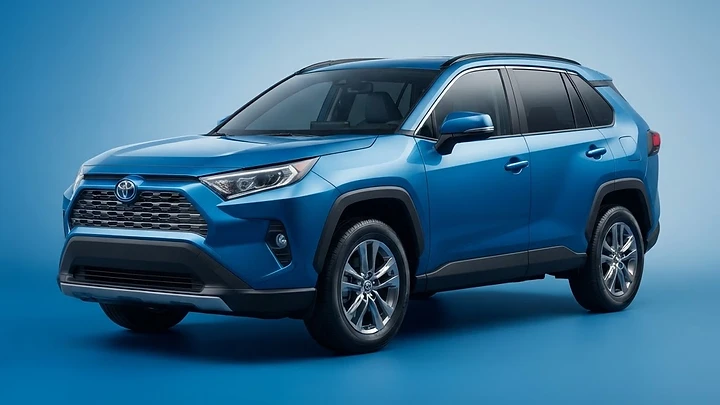
There is something undeniably magical about the way a brand-new car catches the morning light. That deep, liquid-glass reflection isn't just a aesthetic choice; it is a symbol of the journey ahead, from cross-country family road trips to the quiet pride of a well-maintained daily driver. Yet, the moment you drive off the lot, your vehicle’s paint begins a silent battle against UV rays, acidic bird droppings, road salt, and the inevitable swirl marks from improper washing. In 2026, more owners are turning to ceramic coating as a way to preserve that showroom shine, but is it truly worth the investment, or is it just another upsell?
What Exactly Is Ceramic Coating?
At its core, a ceramic coating is a liquid polymer that chemically bonds with your vehicle’s factory clear coat. Unlike traditional car wax, which sits on top of the paint and washes away within weeks, a professional-grade ceramic coating creates a semi-permanent, hydrophobic barrier. Think of it as a sacrificial layer of 'liquid glass' that makes your car’s surface incredibly slick. This slickness means that water, dirt, and grime struggle to adhere to the paint, making your routine maintenance washes significantly faster and easier. For a 2026 model like a Toyota RAV4 or a BMW 5 Series, this means the finish stays cleaner for longer, even when exposed to the elements. 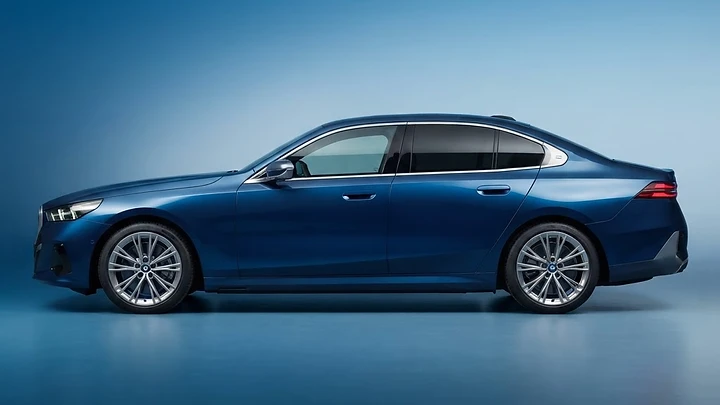
Ceramic Coating vs.
Paint Protection Film (PPF) A common point of confusion for buyers is the difference between ceramic coating and Paint Protection Film (PPF). It is vital to understand that while they are both protective measures, they serve different purposes. PPF is a thick, urethane film that provides a physical shield against rock chips, light scratches, and road debris. Ceramic coating, conversely, offers no significant protection against physical impact or deep gouges. Instead, it excels at chemical resistance and UV protection. Many owners of high-value vehicles, such as a 2026 Porsche 911 or a Lincoln Navigator, choose to combine both: applying PPF to high-impact areas like the front bumper and hood, and ceramic coating the entire vehicle for a uniform, high-gloss finish and ease of cleaning. 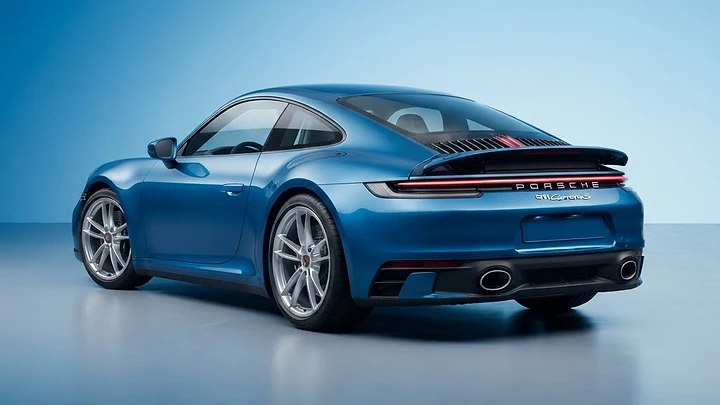

The Real-World Cost and Value Proposition In 2026, professional ceramic coating packages can range from $500 to over $2,000 depending on the level of paint correction required before application.
If your car has existing swirl marks or light scratches, a detailer must polish the paint to perfection first, as the coating will 'lock in' whatever is underneath. While the upfront cost is significant, market data suggests that well-maintained paint can support a higher resale value. A vehicle with a pristine, protected finish signals to future buyers that the car was cared for, potentially helping you avoid the depreciation that comes with dull, neglected paint. For a $45,000 vehicle, where the average five-year depreciation is roughly 42%, keeping the exterior in top condition is a smart strategy to protect your long-term investment. 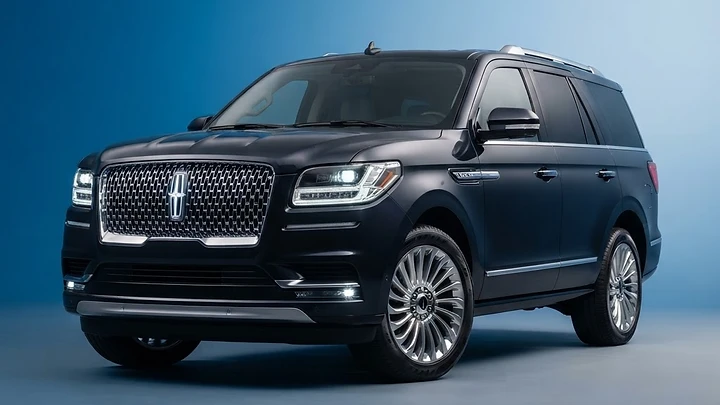

DIY Kits vs.
Professional Application For the hands-on owner, the market is flooded with DIY ceramic kits. Products like Gtechniq C1 or Adam’s Polishes UV Graphene Ceramic Coating offer impressive durability for a fraction of the professional cost. However, the 'honest' truth is that the success of a ceramic coating lies 90% in the preparation. If you do not properly decontaminate the paint with a clay bar and ensure the surface is perfectly clean, the coating will not bond correctly, leading to a patchy, short-lived result. If you are not comfortable with paint correction, professional application is almost always the better choice to ensure you get the full 3-to-5-year lifespan out of the product. 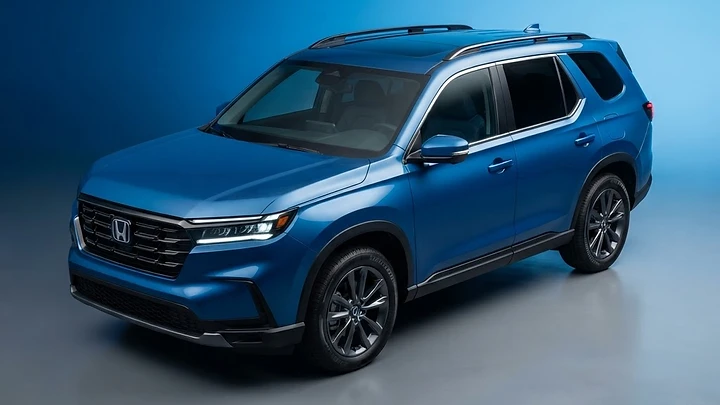

Frequently Asked Questions
Is ceramic coating worth it for a daily driver?
Yes, if you value ease of cleaning. The hydrophobic properties mean you can often rinse off light dust and dirt without needing a full wash, saving you time and reducing the risk of wash-induced scratches. #
Does ceramic coating prevent rock chips?
No. Ceramic coating is a chemical barrier, not a physical one. If you are worried about rock chips, you need Paint Protection Film (PPF). #
Can I go through an automatic car wash with a ceramic coating?
While you can, it is not recommended. The harsh brushes and recycled water in many automatic car washes can degrade the coating faster and introduce new swirl marks. Hand washing with pH-neutral soap is the best way to maintain the finish. #
How long does a ceramic coating actually last?
Professional-grade coatings can last between 3 to 7 years with proper maintenance, while DIY spray-on ceramic products typically last 6 to 12 months.
The Bottom Line Ceramic coating is a fantastic investment if you plan to keep your vehicle for several years and want to maintain its aesthetic appeal with minimal effort.
It is not a 'magic shield' against all damage, but it is the best way to keep your car looking new in 2026. If you are buying a luxury vehicle or a car you intend to keep for the long haul, the cost is easily justified by the time saved on maintenance and the preservation of your vehicle's exterior condition.
The cars in this story
The real price and honest verdict on each one
- 2026 BMW 5 SeriesMid-Size Sedan · from $59,375
- 2026 Lincoln NavigatorFull-Size SUV · from $91,995
- 2026 Toyota RAV4Compact SUV · from $31,900
- 2026 Honda PilotMid-Size SUV · from $42,195
More car news

Tire Rotation 101: The 2026 Honest Buyer’s Guide
Tires are your car's only connection to the road. Learn why regular tire rotation is the smartest way to save money and stay safe on the road in 2026.

Is Ceramic Coating Worth It? The 2026 Honest Buyer’s Guide
Considering ceramic coating for your car? We break down the real-world benefits, costs, and whether it’s actually worth the investment for your vehicle.

Car Interior Detailing: The 2026 Honest Maintenance Guide
Master car interior detailing with our 2026 guide. Learn the right order, safe products, and maintenance tips to protect your vehicle's value and comfort.