Tire Rotation 101: The 2026 Honest Buyer’s Guide
Tires are your car's only connection to the road. Learn why regular tire rotation is the smartest way to save money and stay safe on the road in 2026.
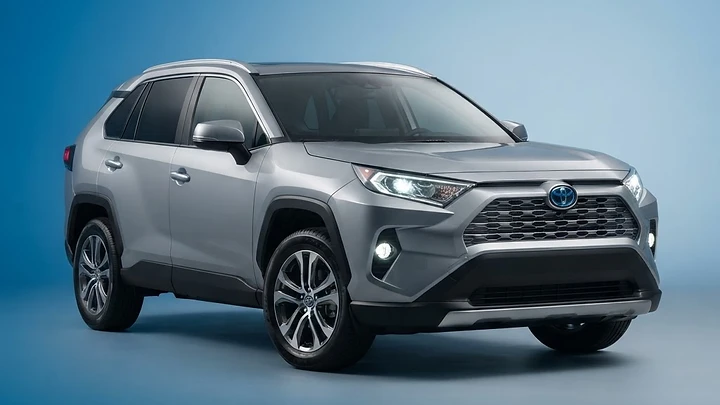
There is a profound, almost cinematic silence when you are cruising down a winding mountain pass, the world blurring into a tapestry of greens and blues outside your window. In those moments, you aren't just driving a machine; you are experiencing the pinnacle of modern engineering. Yet, the only thing keeping that experience grounded—the only thing standing between your family and the asphalt—is four patches of rubber no larger than your hand. Understanding tire rotation is not just about maintenance; it is about respecting the physics that keep you safe. As we navigate the 2026 automotive landscape, where vehicles like the Toyota RAV4, Tesla Model Y, and Ford F-150 are more capable than ever, the humble tire rotation remains the most effective way to ensure your investment lasts.
Why Tire Rotation Matters for Your Wallet and Safety Tires do not wear evenly.
On a front-wheel-drive vehicle, the front tires handle the brunt of steering, acceleration, and the majority of braking force. If left in one position, they will bald significantly faster than the rear tires. By rotating your tires every 5,000 to 7,500 miles, you redistribute that wear, effectively extending the life of your set by thousands of miles. This simple act prevents the need for premature replacement, which can easily cost $800 to $1,200 for a quality set of tires on a modern SUV or truck. Beyond the financial savings, even tread wear ensures that your vehicle maintains consistent handling characteristics, preventing the dangerous "pulling" or instability that occurs when tires have vastly different grip levels. 

The 2026 Maintenance Schedule: When to Rotate Your Tires Most manufacturers, including Toyota and Ford, recommend a rotation interval between 5,000 and 8,000 miles.
For Tesla owners, the recommendation is often slightly more specific, around 6,250 miles, or whenever the tread depth difference between tires exceeds 2/32 of an inch. The easiest way to stay on top of this is to pair it with your oil change. If you drive a modern EV, which doesn't require oil changes, set a recurring calendar alert on your phone. Neglecting this service can lead to "cupping" or irregular wear patterns that no amount of rotation can fix later. Remember, if your tires are already showing signs of severe uneven wear, a rotation won't "heal" them; it only prevents further damage. 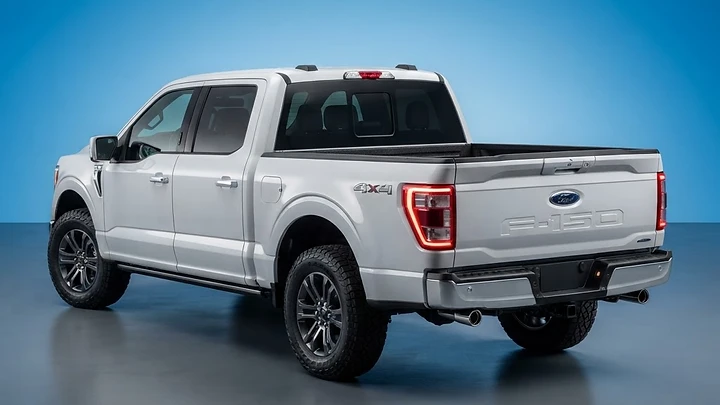

Understanding Rotation Patterns and Exceptions Not all vehicles are created equal.
While a standard front-to-rear rotation works for many sedans, some vehicles—particularly high-performance models or those with staggered wheel setups—have specific requirements. If your vehicle has directional tires (marked with an arrow on the sidewall) or different sized wheels on the front and rear, you may be limited to side-to-side rotation or no rotation at all. Always consult your owner’s manual or a trusted independent shop. Forcing a rotation pattern that contradicts your vehicle's engineering can actually compromise your safety and void certain tire warranties. 

The Synergy of Alignment and Balancing While you are at the shop for a rotation, it is the perfect time to ask for a balance check and an alignment inspection.
A wheel alignment adjusts the angles of your wheels to ensure they are perpendicular to the ground and parallel to each other. If your car pulls to one side or the steering wheel vibrates at highway speeds, your tires are likely suffering from misalignment. Investing $100-$150 in an alignment can save you from replacing a $1,000 set of tires 10,000 miles early. It is a classic case of spending a little now to avoid a massive headache later. 

Frequently Asked Questions
How much does a tire rotation cost?
A standard tire rotation typically costs between $40 and $75. However, many tire retailers offer free rotations for the life of the tires if you purchase them from their shop. #
Can I rotate my own tires?
Yes, if you have the proper tools like a jack, jack stands, and a torque wrench. However, most owners prefer a professional shop because they can also inspect for suspension damage and perform a proper balance. #
Does my spare tire need to be rotated?
If you have a full-size spare that matches your other four tires, including it in your rotation pattern is a great way to ensure all five tires wear evenly. If you have a "donut" temporary spare, do not rotate it. #
What is the minimum tread depth?
The legal minimum in most states is 2/32 of an inch. However, for safety in wet or snowy conditions, many experts recommend replacing tires once they reach 4/32 of an inch.
The Bottom Line Tire rotation is the single most important maintenance task for the longevity of your vehicle's tires.
By committing to a 6,000-mile rotation schedule, you are not just saving money; you are ensuring that your vehicle performs exactly as the engineers intended. Treat your tires with care, and they will carry you through thousands of miles of adventure with confidence and safety.
The cars in this story
The real price and honest verdict on each one
- 2026 Ford F-150Full-Size Pickup · from $39,330
- 2026 Tesla Model YSUV · from $44,990
- 2026 Toyota RAV4Compact SUV · from $31,900
More car news


Is Ceramic Coating Worth It? The 2026 Honest Buyer’s Guide
Considering ceramic coating for your car? We break down the real-world benefits, costs, and whether this paint protection is worth the investment in 2026.


Is Ceramic Coating Worth It? The 2026 Honest Buyer’s Guide
Considering ceramic coating for your car? We break down the real-world benefits, costs, and whether it’s actually worth the investment for your vehicle.


Car Interior Detailing: The 2026 Honest Maintenance Guide
Master car interior detailing with our 2026 guide. Learn the right order, safe products, and maintenance tips to protect your vehicle's value and comfort.