Car Infotainment Systems: What Actually Matters in 2026
Confused by massive touchscreens? Our 2026 guide cuts through the marketing hype to help you choose a car infotainment system that actually improves your drive.
There is a specific, quiet magic to the open road—the way the horizon stretches out, the hum of the engine, and the feeling of total freedom. Yet, in 2026, that experience is increasingly mediated by the glowing glass panels dominating our dashboards. As you shop for your next vehicle, you might feel overwhelmed by the sheer scale of modern infotainment systems. Are these massive, tablet-like displays actually making your life easier, or are they just adding layers of frustration to your daily commute? At Carummah, we believe your car should serve you, not the other way around. Understanding how to evaluate these systems is now as critical as checking the engine or the brakes.
The Shift Toward Minimalist Dashboards The most striking trend in 2026 is the aggressive removal of physical buttons.
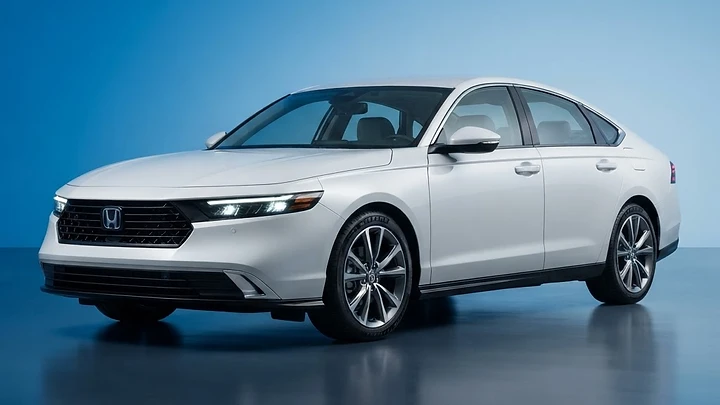
Automakers are moving toward clean, screen-heavy layouts, often replacing tactile climate controls and volume knobs with digital sliders or menu-buried icons. While this creates a sleek, futuristic aesthetic, it can be a double-edged sword. A 2026 Honda Accord Hybrid, for instance, balances this well by keeping essential functions accessible, whereas some luxury competitors force you to navigate three sub-menus just to adjust your seat heating. When test-driving, ask yourself: can I perform basic tasks like changing the temperature or skipping a track without taking my eyes off the road for more than a second? If the answer is no, that 'high-tech' interior might become a source of constant irritation. 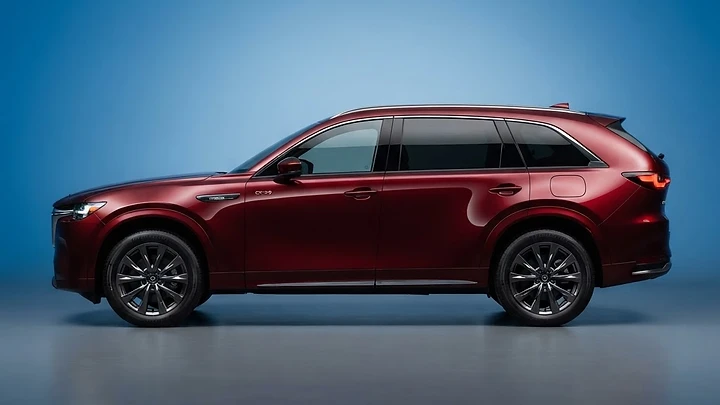
Why Smartphone Integration Remains King Despite the billions spent on proprietary software, the most valuable feature in any 2026 vehicle remains wireless Apple CarPlay and Android Auto.
These systems allow you to bypass the manufacturer's interface entirely, bringing your familiar apps, navigation, and music directly to the car's display. When shopping, prioritize vehicles that offer seamless, lag-free wireless connectivity. A system like the one found in the 2026 Mazda CX-90 PHEV is highly regarded because it integrates these platforms while maintaining a driver-focused rotary controller, which many find safer and more intuitive than pure touch-only interfaces. 

The Rise of AI and Personalized Profiles Modern infotainment is no longer just a screen; it is an AI-driven assistant.
Many 2026 models now offer deep personalization, where the car recognizes your key fob or smartphone and automatically adjusts your seat position, climate preferences, and even your preferred navigation routes. This level of convenience is a game-changer for families sharing a single vehicle. However, be wary of 'feature bloat.' Some systems, while impressive in a showroom, can be buggy or overly complex. Look for brands that prioritize stability and ease of use over gimmicky features like digital aquariums or complex ambient lighting configurations that serve no functional purpose. 

Frequently Asked Questions
Do I really need a factory navigation system?
In 2026, most drivers find that smartphone-based navigation (Google Maps or Waze) via CarPlay or Android Auto is superior to factory systems. Unless you frequently travel in areas without cellular service, you can often skip the expensive 'tech package' upgrades. #
Does more technology lower my insurance premiums?
Some insurers offer discounts for vehicles equipped with advanced driver-assistance systems (ADAS), such as autonomous emergency braking or lane-keeping assist. Always ask your agent if your specific trim level qualifies for a safety discount. #
Are touchscreens safer than physical buttons?
Generally, no. Physical buttons allow for 'muscle memory' operation, meaning you don't have to look at them to use them. When evaluating a car, prioritize models that offer a mix of screen-based tech and physical controls for high-frequency tasks like volume and climate. #
Can I upgrade my infotainment system later?
If you buy a car with an older system, you can often add a high-quality portable CarPlay or Android Auto screen. These aftermarket solutions are a cost-effective way to modernize an older vehicle without needing to replace the entire dashboard. 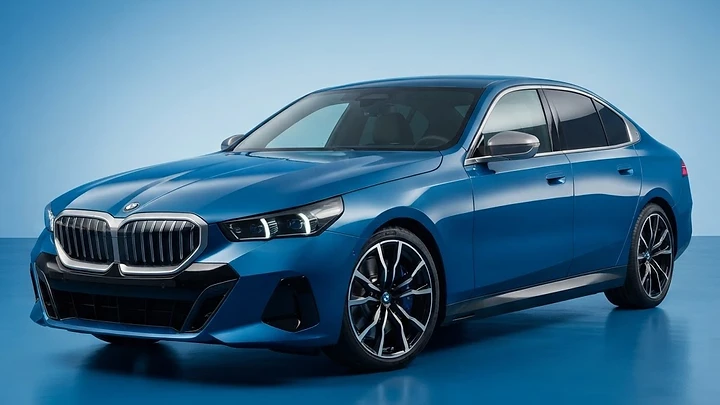

The Bottom Line When you are standing on the dealership floor, don't let the flashy graphics distract you from the reality of daily ownership.
The best infotainment system is the one you forget is there because it works so intuitively. For most American buyers, we recommend prioritizing a vehicle with a responsive, high-resolution screen that supports wireless smartphone integration and retains at least a few physical controls for climate and audio. Whether you are looking at a reliable commuter like the Honda Accord or a premium family hauler like the Mazda CX-90, focus on the 'usability test' during your drive. If the tech makes you smile rather than sigh, you have found the right match for your life on the road.
The cars in this story
The real price and honest verdict on each one
- 2026 Mazda CX-90Mid-Size SUV · from $38,000
- 2026 Honda AccordMid-Size Sedan · from $28,395
- 2026 Ford F-150Full-Size Pickup · from $39,330
- 2026 Toyota RAV4Compact SUV · from $31,900
More car news

Best Time to Trade In a Car: The 2026 Honest Buyer’s Guide
Wondering when to trade in your car? Discover the optimal timing, market trends, and financial strategies to maximize your vehicle's value in 2026.

Smart Car Buying: Navigating the 2026 Market With Confidence
Master the 2026 car buying market with our honest guide. Learn how to secure financing, avoid hidden fees, and find the right vehicle for your budget today.

Paint Protection Film: Is PPF Worth It in 2026?
Considering paint protection film for your new 2026 vehicle? We break down the costs, benefits, and whether PPF is truly worth the investment for your car.