Car Maintenance Costs 2026: How to Protect Your Investment
Rising car maintenance costs in 2026 are hitting budgets hard. Learn how to manage your ownership expenses and keep your vehicle running reliably for years.
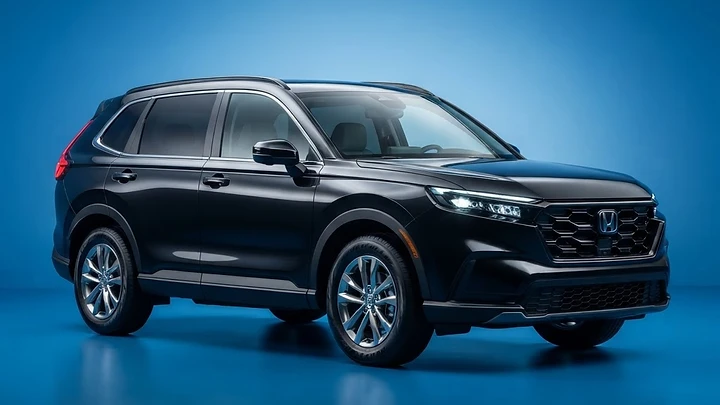
There is a unique, quiet magic in the early morning light hitting the hood of your car as you prepare for a long road trip. It is more than just a machine; it is the vessel for your family’s memories, the reliable partner for your daily commute, and a significant financial commitment. However, in 2026, the reality of car ownership has shifted. With maintenance and repair costs rising by approximately 60% since 2019, understanding how to navigate these expenses is no longer optional—it is essential for every American car buyer.
Why Maintenance Costs Are Climbing in 2026 The modern vehicle is a marvel of engineering, but that complexity comes with a price tag.
Today’s cars are packed with advanced sensors, software-defined systems, and intricate safety tech that require specialized calibration. When you visit a service center, you are no longer just paying for a simple oil change; you are paying for the diagnostic expertise required to communicate with your vehicle’s onboard computers. According to recent industry data, the rise in scan and calibration requirements during routine appraisals has fundamentally changed the cost structure of the average service visit. 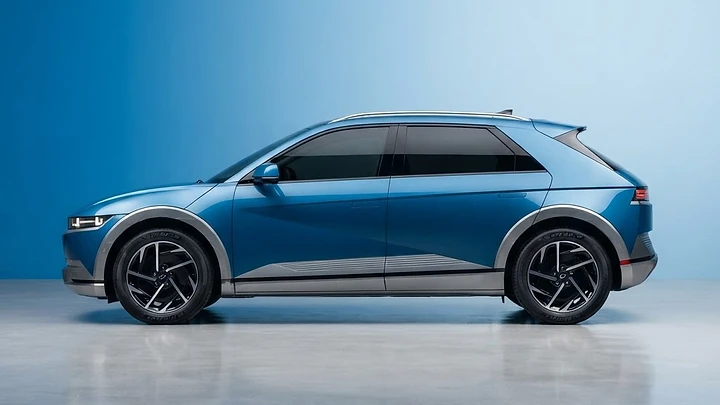
The Hidden Math of Ownership Beyond the monthly car note—which averaged $765 for new vehicles in mid-2026—drivers are facing a cumulative annual ownership cost that often exceeds $5,800 before even considering financing.
This figure includes insurance, fuel, and the inevitable maintenance schedule. To keep your budget intact, you must view your vehicle as a long-term asset. Skipping a scheduled service to save $100 today often leads to a compound failure that could cost $1,000 tomorrow. Preventive maintenance is the most effective tool you have to avoid the 'emergency-mode' ownership cycle. 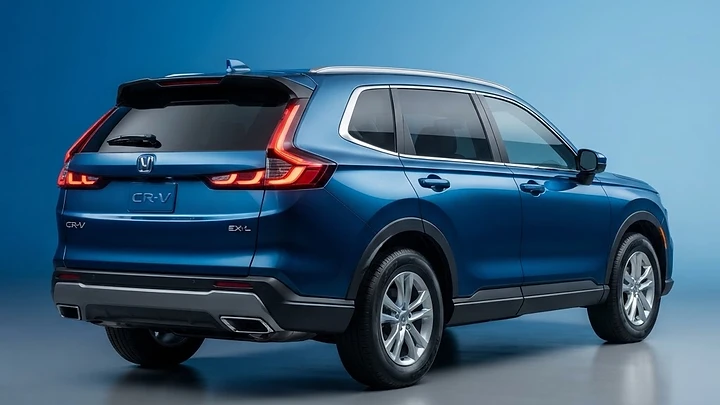

EV vs.
Gas: Maintenance Realities for 2026 If you are considering an electric vehicle like the Hyundai Ioniq 5 or a traditional gas-powered SUV like the Honda CR-V, the maintenance outlook differs significantly. EVs generally offer lower routine costs because they lack internal combustion components like spark plugs, timing belts, and oil systems. However, they introduce new variables, such as tire wear due to instant torque and the long-term consideration of battery health. For gas vehicles, sticking strictly to the manufacturer’s recommended service intervals—found in your owner’s manual—remains the gold standard for longevity. 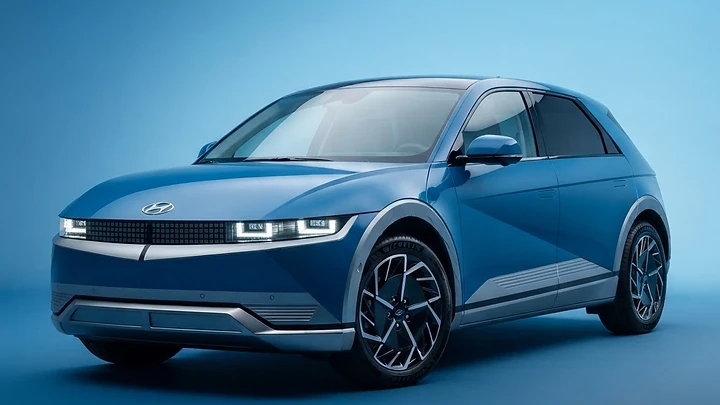

Smart Strategies for Lowering Repair Bills You do not need to be a master mechanic to protect your wallet.
Start by finding a trustworthy, independent shop that specializes in your vehicle’s make. Dealership service departments are often profit centers, whereas independent shops may offer more competitive labor rates without sacrificing quality. Additionally, keep a digital log of every service performed. A well-documented maintenance history not only keeps your car running smoothly but also significantly boosts your resale value when it is time to upgrade. 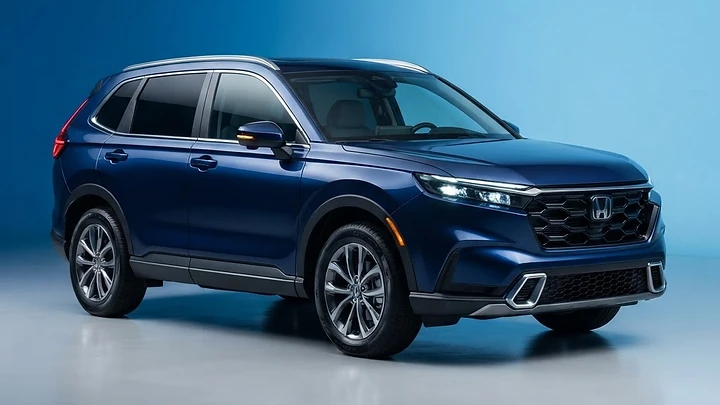

Frequently Asked Questions
How much should I budget for car maintenance annually?
You should aim to set aside between $400 and $2,000 per year. This range covers routine items like oil changes and tire rotations, as well as a buffer for unexpected repairs. #
Does an EV really cost less to maintain?
Generally, yes. EVs have fewer moving parts, which reduces the frequency of mechanical failures. However, you should account for potential tire replacement costs and long-term battery health monitoring. #
Is it better to use the dealership for maintenance?
Dealerships offer brand-specific expertise and original parts, which can be beneficial for newer vehicles under warranty. However, for out-of-warranty vehicles, a reputable independent mechanic can often provide the same quality of service at a lower price point. #
How can I avoid 'sticker shock' at the repair shop?
Always ask for a written estimate before any work begins. If a shop suggests a 'preventive' repair, ask them to show you the wear or explain why it is necessary based on your specific mileage and driving conditions.
The Bottom Line The rising cost of car ownership in 2026 is a reality, but it is one you can manage with transparency and planning.
By choosing a vehicle with a proven reliability record, adhering to your manufacturer’s maintenance schedule, and building a relationship with a transparent mechanic, you can keep your car on the road longer and your bank account healthier. Treat your vehicle with care, and it will continue to provide the freedom and reliability you expect for years to come.
The cars in this story
The real price and honest verdict on each one
Every model, side by sideMore car news

Car Interior Detailing: The 2026 Honest Maintenance Guide
Master car interior detailing with our 2026 guide. Learn the right order, safe products, and maintenance tips to protect your vehicle's value and comfort.


Is Ceramic Coating Worth It? The 2026 Honest Buyer’s Guide
Considering ceramic coating for your car? We break down the real-world benefits, costs, and whether it’s actually worth the investment for your vehicle.

Car Maintenance Costs 2026: The Honest Buyer’s Guide
Don't let surprise repair bills ruin your budget. Discover the real 2026 car maintenance costs and how to choose a reliable vehicle that saves you money.