Car Paint Protection: The 2026 Honest Buyer’s Guide
Protect your investment with our honest guide to 2026 car paint protection. Learn the pros and cons of ceramic coatings, PPF, and DIY maintenance.
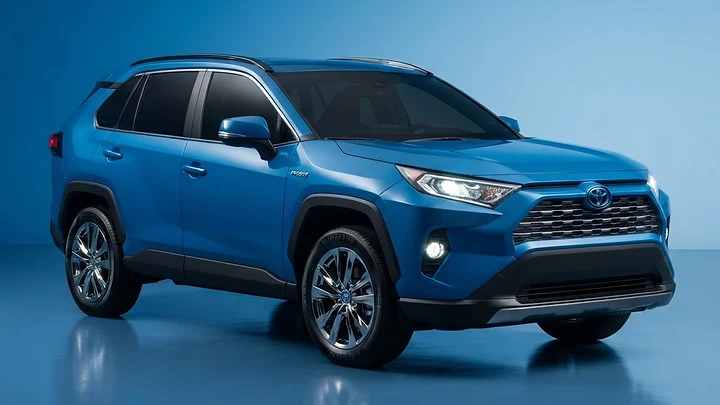
There is something undeniably magical about the first time you walk toward your car in the morning light, the sun catching the curves of the hood and reflecting a mirror-like finish that makes the vehicle look brand new. That deep, lustrous shine isn't just about vanity; it is the visual representation of a well-cared-for machine, a testament to the engineering marvel sitting in your driveway. Whether you are driving a rugged 2026 Toyota RAV4, a sleek 2026 BMW 5 Series, or a family-ready 2026 Honda Odyssey, your car’s exterior is constantly under siege from UV rays, road salt, bird droppings, and industrial fallout. Protecting that finish is no longer just a weekend hobby—it is a vital part of modern vehicle ownership that preserves your car's resale value and keeps that 'new car' feeling alive for years to come.
Understanding Your Paint Protection Options In 2026, the market for surface protection has exploded, moving far beyond the simple paste waxes of the past.
Today, buyers are choosing between professional-grade ceramic coatings, paint protection films (PPF), and advanced hybrid sealants. Ceramic coatings, which are essentially liquid glass, provide a semi-permanent chemical bond to your paint, offering incredible hydrophobic properties that make washing a breeze. Meanwhile, PPF acts as a physical shield, a thick urethane layer that can actually 'self-heal' from minor scratches and stone chips. For the average buyer, the choice often comes down to budget and how long you plan to keep the vehicle. If you are leasing a 2026 vehicle for three years, a high-quality ceramic spray might be sufficient. If you are financing a long-term family hauler, the upfront cost of professional PPF can pay dividends in long-term paint integrity. 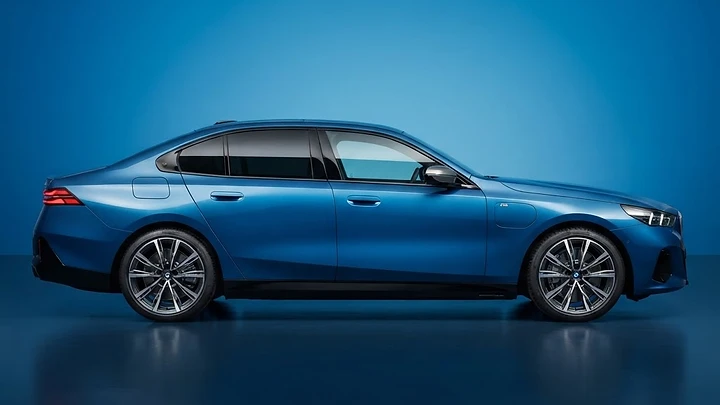
The Rise of DIY Detailing and Protection You don't need a professional garage to achieve professional results.
The DIY detailing market has seen a massive shift toward user-friendly, high-performance products. Modern ceramic sprays and graphene-infused sealants allow owners to apply professional-grade protection in their own driveways for a fraction of the cost of a shop installation. The key to success is preparation. Before applying any sealant, you must decontaminate the paint. Using a clay bar or an iron-removal spray ensures that you aren't sealing dirt and grime into your clear coat. Remember, the longevity of your protection is only as good as the surface it is applied to. 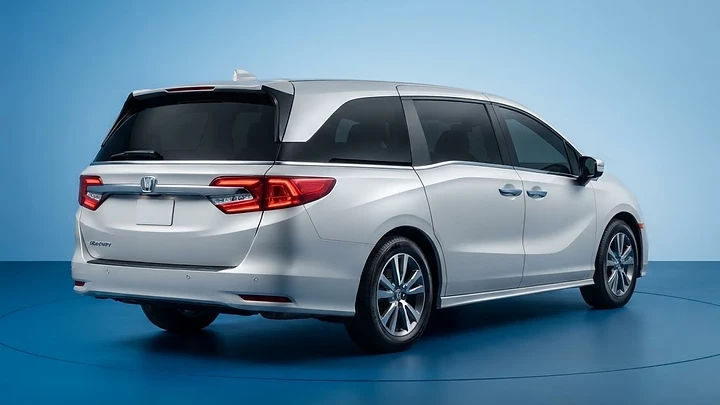

Is Paint Protection Film (PPF) Worth the Investment?
PPF is the gold standard for protection, but it is also the most expensive. With professional installations often costing thousands of dollars, it is a significant commitment. However, for high-impact areas like the front bumper, hood, and side mirrors, it is unmatched. In 2026, we are seeing more manufacturers offer factory-installed protection packages, which can be rolled into your monthly financing. While these are convenient, they are often more expensive than going to a reputable local detailer. Always ask for the specific brand of film being used and check the warranty terms before signing any paperwork. 

Maintaining Your Protection: The Two-Bucket Method Regardless of whether you choose ceramic, wax, or film, your maintenance routine is what keeps the protection alive.
The 'two-bucket method' remains the industry standard for a reason: one bucket for soapy water and one for rinsing your mitt. This simple habit prevents you from dragging grit across your paint, which is the primary cause of swirl marks. Avoid automatic car washes with spinning brushes at all costs; they are the fastest way to degrade your protective layers and dull your finish. Instead, opt for touchless washes or, better yet, a gentle hand wash using pH-neutral soaps. 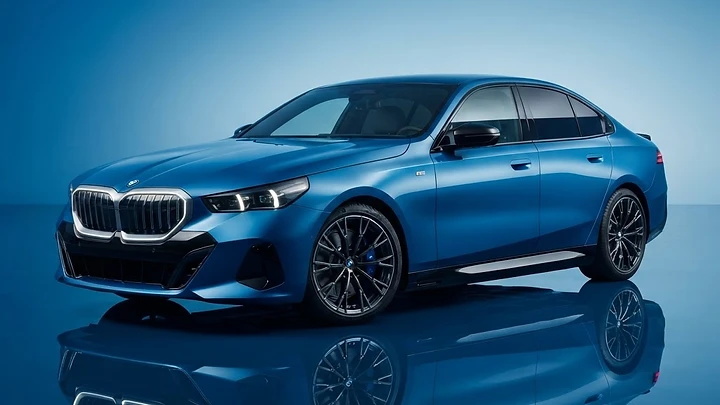

Frequently Asked Questions
Is car paint protection worth the cost?
Yes, especially if you plan to keep your vehicle for more than three years. It protects your clear coat from environmental damage and significantly improves resale value. #
Can I apply ceramic coating myself?
Absolutely. Many 2026 consumer-grade ceramic sprays are designed for easy application. Just ensure the paint is clean, cool, and out of direct sunlight. #
How often should I reapply protection?
This depends on the product. Traditional waxes may need monthly attention, while ceramic sprays can last 6-12 months. Always follow the manufacturer's instructions. #
Does PPF really self-heal?
Yes, high-quality TPU-based films have a top layer that softens with heat, allowing minor scratches to disappear when exposed to the sun or warm water.
The Bottom Line Protecting your car’s paint is an investment in your vehicle’s future.
For most buyers, a combination approach works best: apply a high-quality ceramic sealant yourself for overall gloss and ease of cleaning, and consider professional PPF for the high-impact front-end areas. By taking these steps, you ensure that your 2026 vehicle remains a source of pride and a solid financial asset for years to come.
The cars in this story
The real price and honest verdict on each one
- 2026 BMW 5 SeriesMid-Size Sedan · from $59,375
- 2026 Toyota RAV4Compact SUV · from $31,900
- 2026 Honda OdysseyMinivan · from $42,795
More car news

Car AC Repair: The 2026 Honest Buyer’s Maintenance Guide
Is your car blowing hot air? Learn how to diagnose AC issues, understand repair costs, and keep your climate control system running cool in 2026.

Car Rust Prevention: The 2026 Honest Buyer’s Guide
Don't let corrosion eat your investment. Learn how to spot, prevent, and treat car rust in 2026 to keep your vehicle safe, quiet, and road-ready for years.

Tire Rotation 101: The 2026 Honest Buyer’s Guide
Tires are your car's only connection to the road. Learn why regular tire rotation is the smartest way to save money and stay safe on the road in 2026.