Car Rust Prevention: The 2026 Honest Buyer’s Guide
Don't let corrosion eat your investment. Learn how to spot, prevent, and treat car rust in 2026 to keep your vehicle safe, quiet, and road-ready for years.

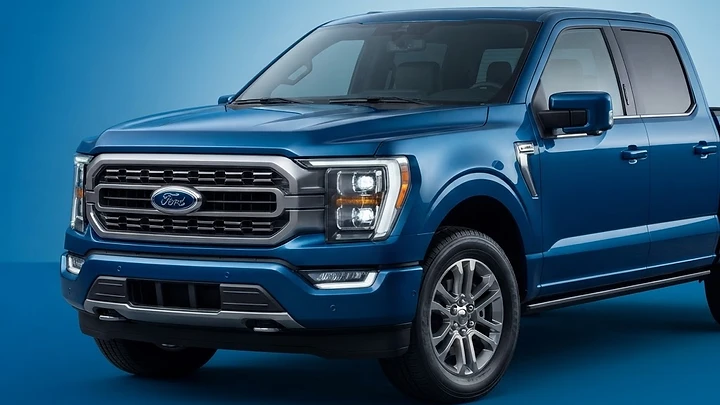
There is something profoundly moving about the way a well-engineered machine slices through the morning mist, its chassis humming in perfect harmony with the road beneath. Your car is more than just a tool for commuting; it is a vessel for your family’s memories and a significant financial commitment. Yet, there is a silent, relentless enemy waiting in the shadows of every rainy season and salted winter road: rust. Understanding car rust prevention is not just about vanity or keeping a shiny exterior; it is about preserving the structural integrity of the steel that keeps you and your loved ones safe. Whether you are eyeing a rugged 2026 Ford F-150 or a reliable 2026 Toyota Camry, protecting your investment from the inside out is the smartest move a buyer can make today.
Why Rust Is the Silent Killer of Resale Value In the automotive world, rust is the ultimate depreciation accelerator.
While we often obsess over engine performance or infotainment screens, the metal frame is the true foundation of your vehicle's lifespan. When moisture, oxygen, and road salt combine, they trigger an electrochemical reaction that turns solid steel into brittle flakes. By the time you see bubbling paint, the damage has often already compromised the metal beneath. For American buyers, especially those in the Rust Belt or coastal regions, ignoring the undercarriage is a multi-billion dollar mistake. AAA reports that U.S. drivers spend nearly $3 billion annually on rust-related repairs. By taking proactive steps, you ensure that your vehicle remains a reliable asset rather than a liability. 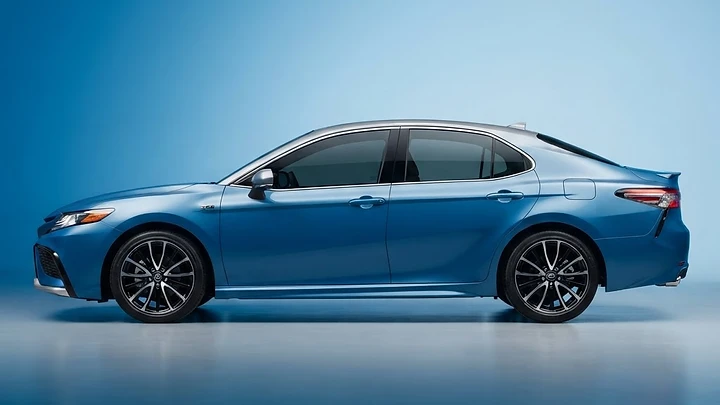

The Frontline Defense: Washing and Waxing The most effective way to stop rust is surprisingly simple: keep it clean.
Road salt, mud, and grime act like sponges, holding moisture against your car’s body panels and undercarriage. A regular wash—especially one that includes an underbody spray—is your first line of defense. After washing, applying a high-quality wax or a modern hybrid paint coating creates a hydrophobic barrier that repels water and environmental contaminants. For a 2026 model, this routine maintenance takes less than an hour but can add years to the life of your paint and body panels. 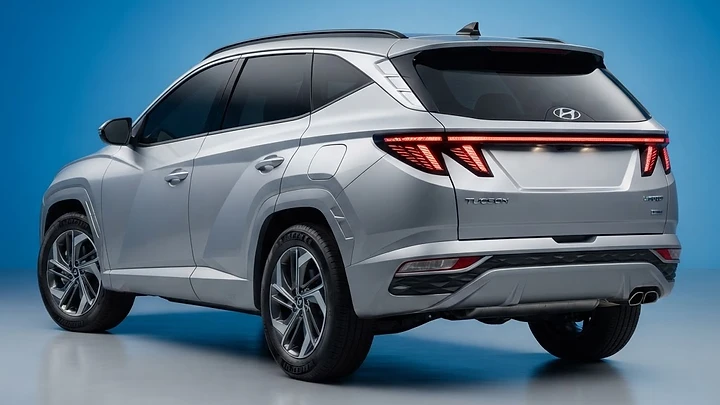

Underbody Protection: Is It Worth the Investment?
While exterior wax protects your paint, the undercarriage is where the real battle is fought. Modern underseal treatments, such as wax-based or oil-based coatings, provide a thick, protective layer that seals the chassis from salt and debris. If you live in an area with harsh winters, an annual underbody inspection and treatment is cheap insurance. It not only prevents corrosion but can also dampen road noise, making your cabin feel more premium and serene. Always ensure your vehicle is clean and dry before applying any underseal to avoid trapping moisture inside the coating. 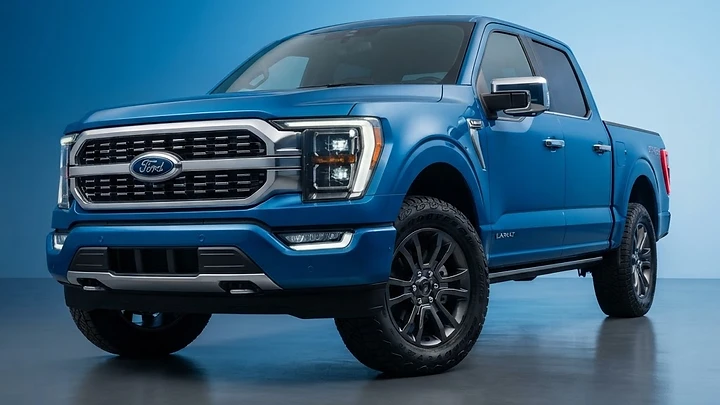

How to Spot Early Warning Signs Before you buy a used vehicle, or even when inspecting your current one, look for the tell-tale signs of trouble.
Check the wheel wells, rocker panels, and the lower edges of doors. Use a flashlight to inspect the frame for any signs of flaking or deep, reddish-brown discoloration. If you see uneven panel gaps or paint that doesn't quite match, it could be a sign of a past repair that wasn't properly sealed, leaving the metal vulnerable. A thorough inspection today can save you thousands in structural repairs tomorrow. 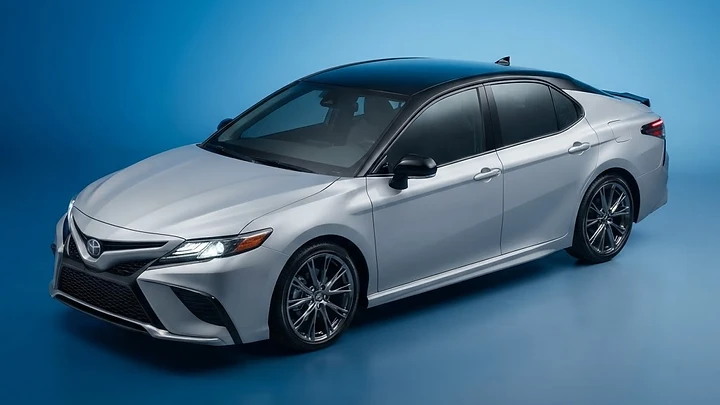

Frequently Asked Questions
At what age do cars start to rust?
There is no set age, as it depends heavily on your climate and maintenance habits. However, once protective factory coatings begin to wear thin—usually after 5 to 7 years—the risk increases significantly. #
Is surface rust dangerous?
Surface rust is cosmetic and can be sanded and primed. However, if left untreated, it will eventually penetrate the metal, leading to structural corrosion that requires professional welding or part replacement. #
Should I use an underbody coating on a new car?
Yes, applying a professional-grade underbody coating to a new vehicle is an excellent way to preserve its factory condition, especially if you live in a region that uses road salt. #
Can I fix rust myself?
Small spots of surface rust can be managed with sanding, rust-inhibiting primer, and touch-up paint. For structural rust or large areas of corrosion, always consult a professional to ensure the safety of the vehicle.
The Bottom Line Rust is inevitable, but it is not unstoppable.
By treating your car as a living machine that requires regular care—washing, waxing, and inspecting the undercarriage—you can defy the elements. Whether you are driving a brand-new 2026 Hyundai Tucson or a seasoned daily driver, the effort you put into rust prevention today is the best way to ensure your car remains a safe, reliable, and valuable companion for every mile ahead.
The cars in this story
The real price and honest verdict on each one
- 2026 Toyota CamryMid-Size Sedan · from $28,850
- 2026 Ford F-150Full-Size Pickup · from $39,330
- 2026 Hyundai TucsonCompact SUV · from $29,450
More car news

Car Paint Protection: The 2026 Honest Buyer’s Guide
Protect your investment with our honest guide to 2026 car paint protection. Learn the pros and cons of ceramic coatings, PPF, and DIY maintenance.

Car AC Repair: The 2026 Honest Buyer’s Maintenance Guide
Is your car blowing hot air? Learn how to diagnose AC issues, understand repair costs, and keep your climate control system running cool in 2026.

Tire Rotation 101: The 2026 Honest Buyer’s Guide
Tires are your car's only connection to the road. Learn why regular tire rotation is the smartest way to save money and stay safe on the road in 2026.