Car Subscription vs. Buying: Is Flexibility Worth the Cost?
Considering a car subscription in 2026? We break down the real costs, flexibility, and whether this model beats traditional buying for your lifestyle.
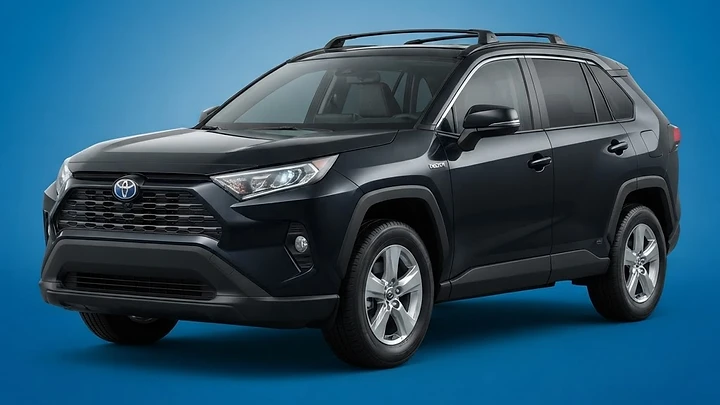
There is a specific kind of magic in the open road—the feeling of a crisp morning, the hum of a perfectly tuned engine, and the freedom to go wherever your heart desires. For many, a car is more than just a machine; it is the vessel for life’s greatest adventures. But in 2026, the way we access that freedom is shifting. As car prices hover near record highs, with average transaction prices around $49,191, many Americans are asking if they should buy, lease, or jump into the growing world of car subscriptions.
Understanding the Car Subscription Model A car subscription is a service-based model where you pay a recurring monthly fee for access to a vehicle, often bundling insurance, maintenance, and registration into one payment.
Unlike a traditional 36-month lease or a long-term auto loan, subscriptions are designed for agility. You aren't signing away your financial future for three years; you are paying for the utility of a car on your own terms. For someone whose life is in transition—perhaps a new job, a move to a new city, or a growing family—this flexibility is a game-changer. 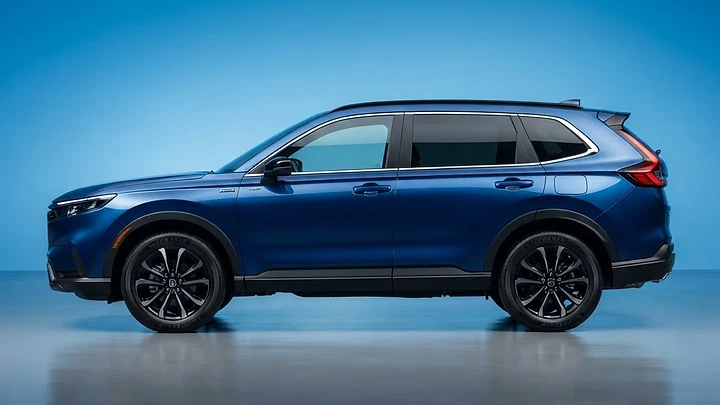
Subscription vs.
Buying: The Financial Reality If you are looking for pure cost efficiency, buying a reliable vehicle remains the gold standard. When you finance a car, you are building equity. After 36 or 60 months, you own an asset that holds value—often $25,000 to $30,000 for a well-maintained mid-size SUV like a 2026 Toyota RAV4. A subscription, by contrast, leaves you with nothing but the memories of the miles driven. However, the "hidden" costs of ownership—insurance premiums, unexpected repairs, and the hassle of selling—can quickly erode those savings. 

When Does a Subscription Actually Win?
The subscription model shines when your horizon is short or unpredictable. If you need a vehicle for six to twelve months, traditional leasing is rarely an option, and buying only to sell a year later often results in a significant loss due to depreciation and transaction fees. With a subscription, you can often return the vehicle with as little as 14 days' notice after a short initial hold period. It is the ultimate "low-commitment" way to drive a modern vehicle like a 2026 Honda CR-V or a 2026 Hyundai Ioniq 5 without the long-term debt burdening your credit report. 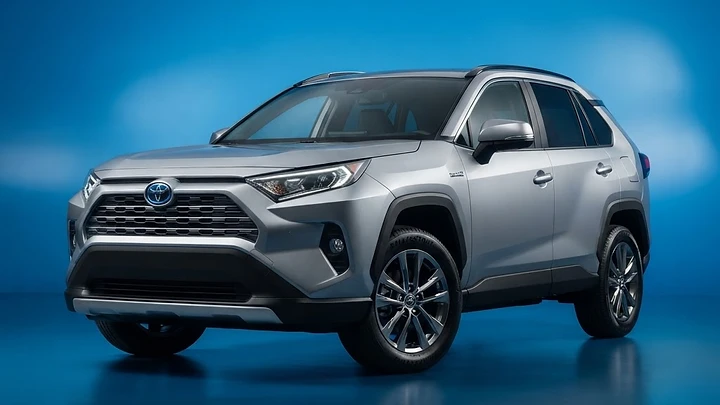

The Hidden Pitfalls to Watch For Before you sign up, read the fine print.
Not all subscriptions are created equal. Some services exclude insurance, forcing you to secure your own policy, which can be a headache. Additionally, mileage caps can be strict. If you are a high-mileage driver, the overage fees on a subscription can make the monthly cost balloon far beyond a standard lease payment. Always calculate your total cost of ownership—including fuel, which is almost never included—before committing. 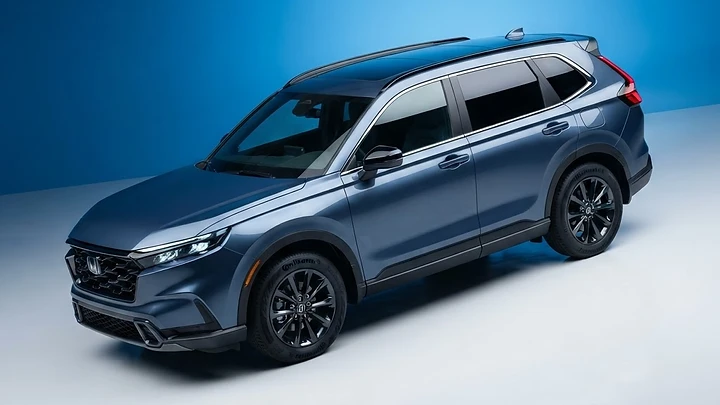

Frequently Asked Questions
Is a car subscription cheaper than a lease?
Generally, no. On a month-to-month basis, a subscription is usually more expensive than a lease. You are paying a premium for the ability to walk away at any time. #
Does a subscription build credit?
Because most subscriptions are considered a service rather than a loan, they typically do not appear as debt on your credit report. This can be a benefit if you are trying to keep your debt-to-income ratio low for a mortgage. #
Can I buy the car at the end of my subscription?
Most current subscription models do not offer a path to ownership. You are renting the vehicle's utility, not its title. #
What happens if I get into an accident?
You must verify the insurance coverage provided by the subscription company. Some offer comprehensive plans, while others require you to use your own personal insurance, which could see your rates rise after a claim.
The Bottom Line If you value long-term financial growth and plan to keep your vehicle for five years or more, buying remains the smartest path.
However, if you are in a season of life where flexibility is your highest priority, a car subscription offers a stress-free, modern alternative. It is not about finding the "cheapest" way to drive; it is about finding the way that best fits your life today.
The cars in this story
The real price and honest verdict on each one
Every model, side by sideMore car news

Best Time to Trade In a Car: The 2026 Honest Buyer’s Guide
Wondering when to trade in your car? Discover the optimal timing, market trends, and financial strategies to maximize your vehicle's value in 2026.

Smart Car Buying: Navigating the 2026 Market With Confidence
Master the 2026 car buying market with our honest guide. Learn how to secure financing, avoid hidden fees, and find the right vehicle for your budget today.

Paint Protection Film: Is PPF Worth It in 2026?
Considering paint protection film for your new 2026 vehicle? We break down the costs, benefits, and whether PPF is truly worth the investment for your car.