Car Subscriptions in 2026: Are They Worth the Monthly Fee?
Are car subscriptions the future of driving or a financial trap? We break down the costs, flexibility, and hidden fees for American buyers in 2026.
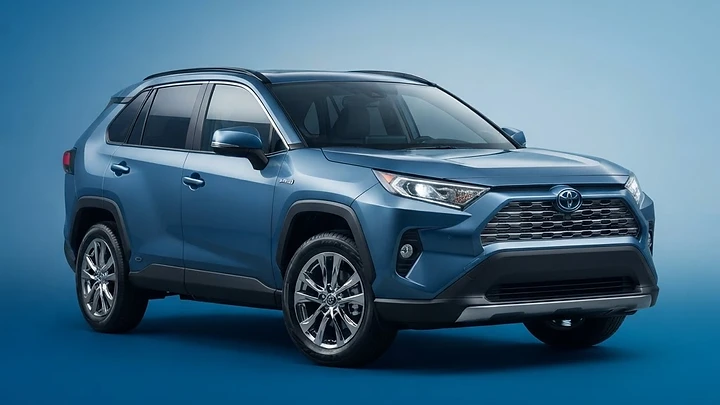
The open road has always been a symbol of American freedom, a promise that with a turn of the key, you can chase the horizon. Yet, in 2026, the way we access that freedom is undergoing a quiet, digital revolution. For many, the traditional path of financing a vehicle is being challenged by the rise of car subscription services—a model that promises to bundle insurance, maintenance, and the car itself into one predictable monthly payment. But is this convenience worth the premium, or are you paying for a luxury you don't actually need?
The Evolution of Car Access in 2026 For decades, the car-buying journey was binary: you either bought it or you leased it.
Today, the market is shifting. While the dream of a 'Netflix-style' car subscription never fully replaced ownership, it has carved out a niche for urban dwellers and those who value extreme flexibility. Companies like Finn, Sixt+, and Kyte are offering month-to-month or short-term commitments that allow you to swap vehicles or walk away without the headache of selling a used car. However, the financial reality is stark. Subscription payments can often run 30% higher than a standard lease payment for the same vehicle, such as a 2026 Toyota RAV4 or a 2026 Tesla Model 3. 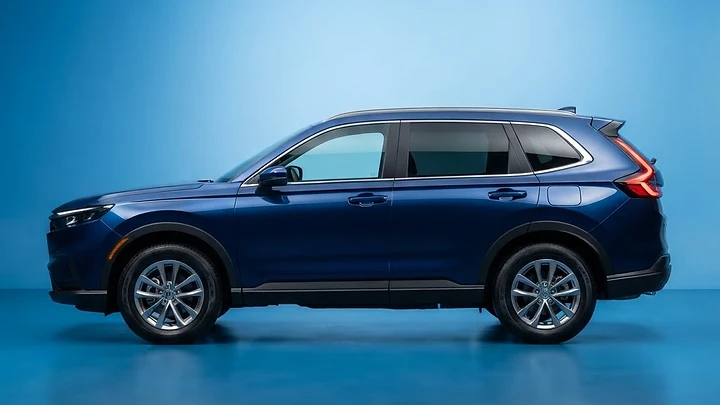
Why Subscription Fees Are Rising Beyond the monthly payment, a new trend has emerged: feature-based subscriptions.
You might buy a 2026 Honda CR-V or a luxury BMW, only to find that remote start, heated seats, or advanced navigation are locked behind a monthly paywall. Automotive analysts note that these connected services are a massive revenue stream for manufacturers, projected to reach $15 billion by 2030. Before you sign, ask yourself: is that remote-access app worth $10 to $25 a month? Over the life of a vehicle, a single $20 monthly feature fee can cost you nearly $3,000. 

The Hidden Costs of 'All-Inclusive' Convenience The primary selling point of a subscription is the 'all-inclusive' nature—insurance, taxes, and maintenance are handled for you.
But transparency is key. Joshua Morrison, an insurance expert, warns that subscription-bundled insurance may not provide the same level of coverage as a personal policy. Furthermore, if you are a high-mileage driver, the mileage caps on services like Kyte or Sixt+ can lead to hefty overage fees. If you drive more than 15,000 miles a year, a traditional purchase or a high-mileage lease is almost always more cost-effective than a subscription. 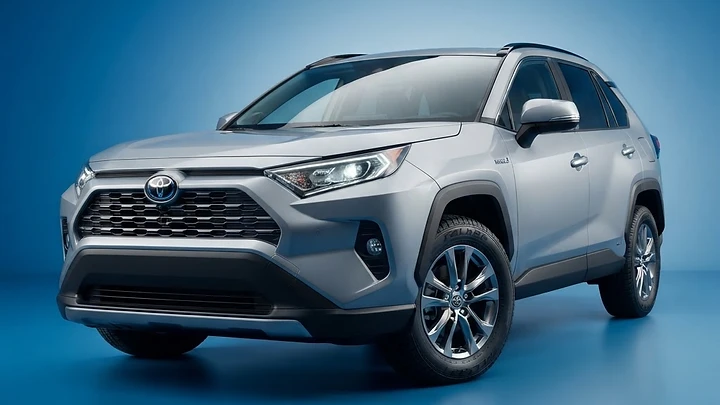

Is a Subscription Right for Your Lifestyle?
If you are a digital nomad, a short-term resident, or someone who wants to 'test drive' an EV like a 2026 Hyundai Ioniq 5 for a few months before committing to a purchase, a subscription is a powerful tool. It removes the emotional toll of dealership negotiation and the risk of long-term depreciation. However, if you need a reliable family vehicle for the next five years, the math rarely favors the subscription model. The lack of equity is the biggest drawback; at the end of your subscription, you have nothing to show for your payments, whereas a financed vehicle eventually becomes an asset you own. 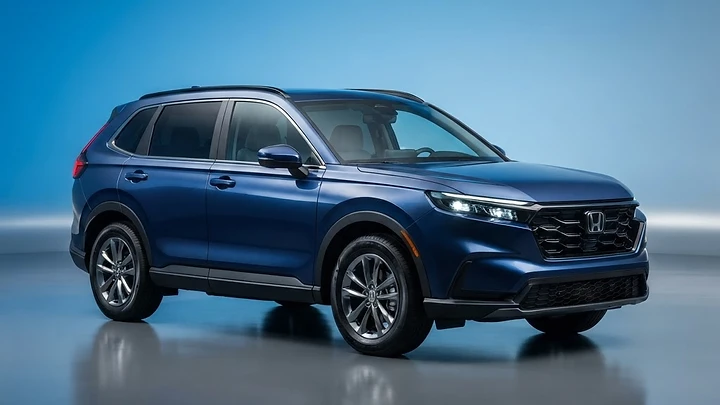

Frequently Asked Questions Are car subscriptions cheaper than leasing? Generally, no. Subscriptions include insurance and maintenance, which inflates the monthly cost. If you already have a good insurance rate, a lease or loan will almost always be cheaper. Can I cancel a car subscription anytime? Most services offer rolling monthly contracts, but always check for early termination fees if you sign up for a 6- or 12-month plan. Do subscription vehicles come with hidden fees? Yes. Watch for mileage overage charges, cleaning fees, and potential costs for minor wear and tear that you might be responsible for upon return. Is a subscription good for testing an EV? Absolutely. It is an excellent way to learn if your home charging setup works for your lifestyle without the commitment of a purchase.
The Bottom Line For the average American family, a car subscription is likely an expensive convenience rather than a financial strategy.
If you value the ability to change vehicles frequently and don't mind paying a premium for the 'all-inclusive' peace of mind, it can be a great experience. However, for long-term value, transparency, and building equity, traditional financing remains the gold standard. Before you subscribe, run the numbers: compare the total cost of a 24-month subscription against a 24-month lease, including your own insurance premiums. You will likely find that the 'freedom' of a subscription comes with a price tag that could be better spent on your next family vacation.
The cars in this story
The real price and honest verdict on each one
- 2026 Honda CR-VCompact SUV · from $30,920
- 2026 Tesla Model 3Sedan · from $38,990
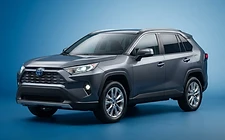
- 2026 Toyota RAV4Compact SUV · from $31,900
More car news

2026 Car Buying: How to Navigate High Prices and Tech
Buying a car in 2026? Discover how to navigate record-high prices, essential tech features, and shifting market trends to secure the best deal for your needs.


Software-Defined Cars: The 2026 Honest Buyer’s Guide
Are software-defined cars worth the hype? Discover how over-the-air updates and subscription features are changing the 2026 car buying experience.


Head-Up Displays: Are They Worth It in 2026?
Are head-up displays worth the upgrade in 2026? We break down the safety, tech, and real-world value of HUDs to help you decide if you need one.