Car Subscriptions in 2026: Are They Worth the Monthly Fee?
Are car subscriptions the future of driving or just another bill? We break down the costs, pros, and cons of subscribing to your next vehicle in 2026.
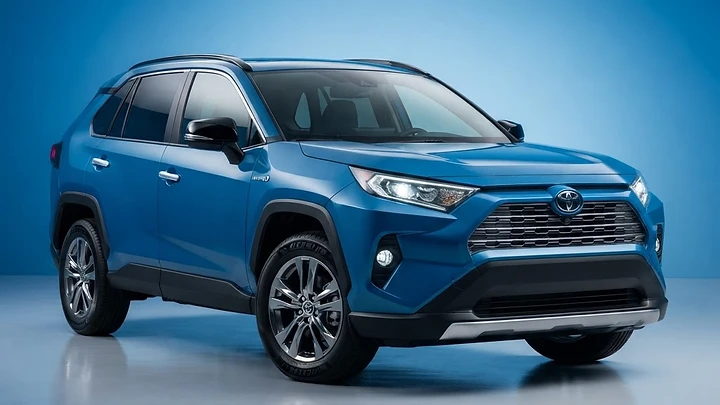
There is a specific, quiet magic to the open road—the way the horizon stretches out like an invitation, the hum of precision engineering beneath you, and the absolute freedom of knowing your vehicle is ready for whatever the day demands. For decades, the path to that feeling was paved with down payments, interest rates, and the long-term commitment of ownership. But in 2026, the landscape of American mobility is shifting. We are seeing a rise in car subscription services, a model that promises to strip away the friction of traditional buying and replace it with the simplicity of a single, all-inclusive monthly payment. As an independent resource, Carummah is here to help you decide if this modern approach is a genuine value or a financial trap.
What Exactly Is a Car Subscription?
At its core, a car subscription is a flexible alternative to both buying and leasing. Unlike a traditional loan where you are paying down the principal of a vehicle, or a lease that locks you into a multi-year contract, a subscription acts more like a utility. You pay a flat monthly fee that typically bundles the vehicle cost, insurance, maintenance, and sometimes even roadside assistance into one bill. In 2026, we are seeing major players like Autonomy expand their portfolios to include not just electric vehicles, but also popular gas-powered models like the Ford F-150 and Explorer, making the model more accessible to the average American driver. 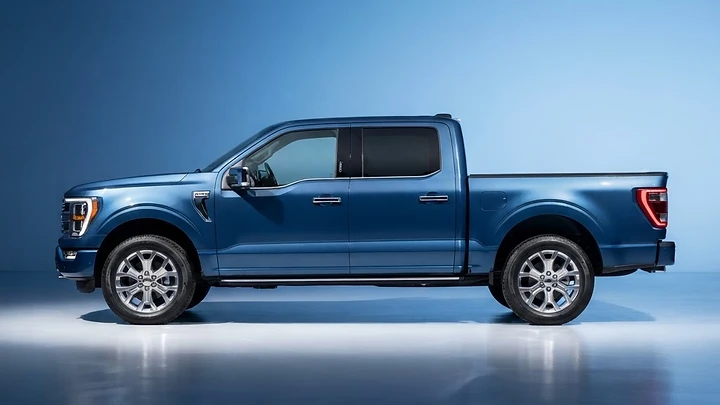
The Financial Reality: Subscription vs.
Ownership When you look at the numbers, the appeal of a subscription is clear: predictability. With the average new car payment in the U.S. hovering around $821, many buyers are looking for ways to avoid the volatility of interest rates and the hidden costs of long-term maintenance. A subscription removes the "surprise" factor. However, you must weigh this against the fact that you are not building equity. When you finish a 60-month loan on a 2026 Toyota RAV4, you own a tangible asset. When you finish 60 months of a subscription, you have a history of reliable transportation, but no vehicle to trade in or sell. For those who prioritize cash flow and flexibility over long-term asset accumulation, the subscription model offers a compelling, albeit different, value proposition. 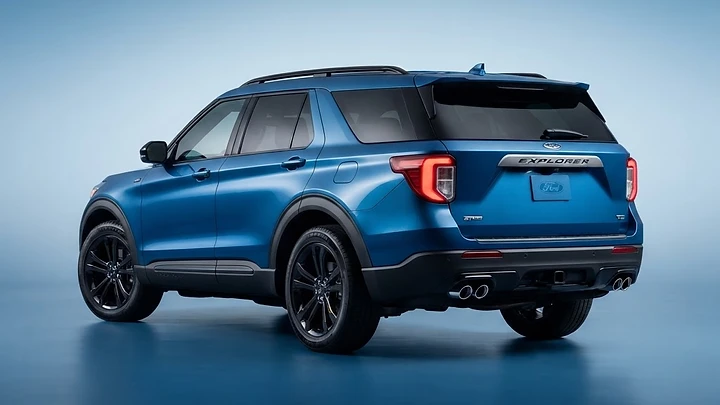

Flexibility: The Ultimate Luxury The primary driver behind the growth of the subscription market—projected to see significant expansion through 2034—is the desire for freedom.
Life in 2026 is dynamic. You might need a compact sedan for your daily commute today, but a rugged SUV for a family camping trip next season. Subscription services allow for shorter tenures, sometimes as brief as a month, which is a level of agility that traditional leasing simply cannot match. This is particularly attractive for urban dwellers or those who are not ready to commit to a specific vehicle type for the next three to five years. 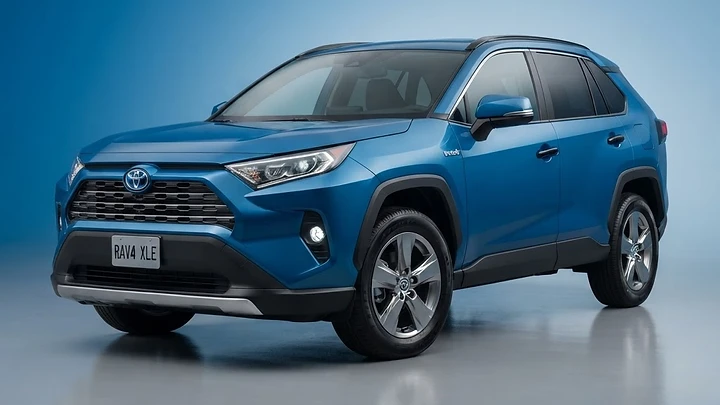

Is It Right for Your Lifestyle?
Before you sign up, consider your driving habits. If you are a high-mileage driver, subscription services often have strict caps that can lead to expensive overage fees. Conversely, if you are someone who values the latest tech and wants to swap vehicles every year to stay current with the newest safety features and infotainment systems, a subscription might actually be more cost-effective than the constant cycle of buying and selling. Always read the fine print regarding insurance coverage limits and wear-and-tear policies, as these are the areas where "all-inclusive" can sometimes become "partially-inclusive." 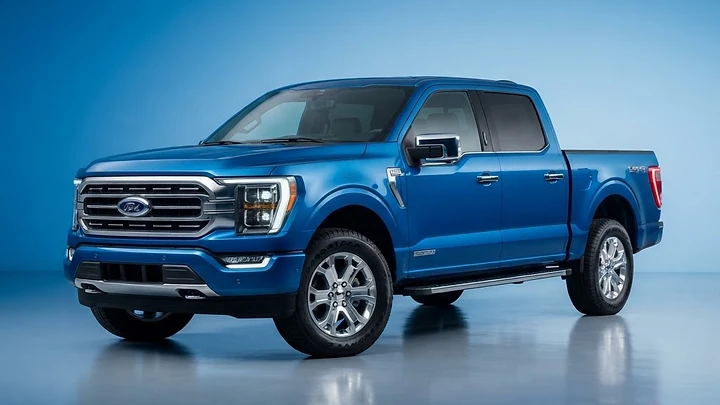

Frequently Asked Questions
Does a car subscription include insurance?
Most subscription services bundle insurance into the monthly fee, but it is critical to verify the coverage limits. Always ask if the policy is primary or secondary and what the deductible is. #
Can I cancel a subscription at any time?
Many providers offer flexible terms, but "flexible" does not always mean "instant." Check the notice period required for cancellation to avoid being charged for an extra month. #
Is a subscription cheaper than a lease?
Often, a subscription has a higher monthly payment than a lease because it includes maintenance and insurance. However, when you add up the total cost of ownership—including those extra services—the gap often narrows significantly. #
Will I be driving a brand-new car?
It depends on the provider. Some focus on new models, while others include certified pre-owned vehicles to keep costs lower. Always clarify the age and mileage of the vehicle you are subscribing to.
The Bottom Line The car subscription model is a fascinating evolution in how we access transportation.
If you value simplicity, hate the hassle of maintenance scheduling, and want the flexibility to change your vehicle as your life changes, it is a legitimate, modern alternative to traditional ownership. However, if your goal is to build long-term wealth through vehicle equity, traditional buying remains the superior path. For most, the "right" choice comes down to whether you value the freedom of the present or the security of the future.
The cars in this story
The real price and honest verdict on each one
- 2026 Ford F-150Full-Size Pickup · from $39,330
- 2026 Toyota RAV4Compact SUV · from $31,900
- 2026 Ford ExplorerMid-Size SUV · from $38,465
More car news

2026 Car Buying: How to Navigate High Prices and Tech
Buying a car in 2026? Discover how to navigate record-high prices, essential tech features, and shifting market trends to secure the best deal for your needs.


Software-Defined Cars: The 2026 Honest Buyer’s Guide
Are software-defined cars worth the hype? Discover how over-the-air updates and subscription features are changing the 2026 car buying experience.


Head-Up Displays: Are They Worth It in 2026?
Are head-up displays worth the upgrade in 2026? We break down the safety, tech, and real-world value of HUDs to help you decide if you need one.