Car Subscriptions 2026: Are They Worth the Monthly Fee?
Are car subscriptions worth the cost in 2026? We break down the pros, cons, and hidden fees of subscription-based vehicle ownership to help you decide.
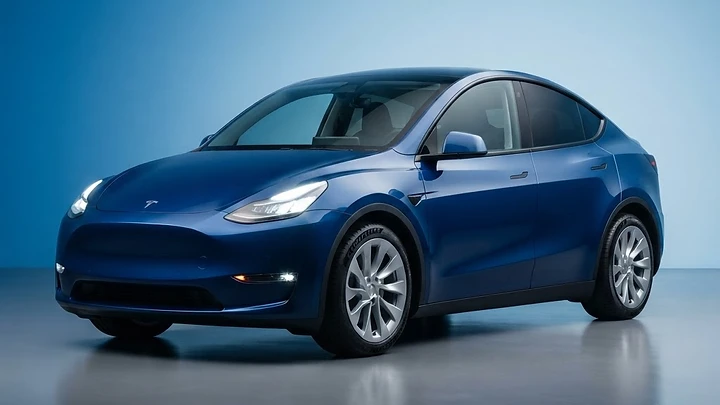
Imagine waking up on a crisp autumn morning, walking to your driveway, and seeing a vehicle that feels less like a machine and more like a living, breathing extension of your digital life. The 2026 automotive landscape is shifting beneath our feet, moving away from the traditional 'buy-and-own' model toward a fluid, subscription-based ecosystem. As a car buyer, you are no longer just purchasing hardware; you are entering a long-term relationship with software, connectivity, and recurring monthly payments. But is this shift actually serving your wallet, or is it just another way to nickel-and-dime the modern driver?
The Rise of the Subscription-Based Vehicle Ownership Model In 2026, the car subscription market is projected to reach over $10 billion globally.
This isn't just about streaming music or satellite radio anymore. Automakers are increasingly bundling vehicle connectivity, advanced driver-assistance systems (ADAS), and even performance upgrades into monthly tiers. Whether you are looking at a 2026 Tesla Model Y, a Rivian R1S, or a Hyundai Ioniq 5, the trend is clear: the car is becoming a platform. For many, this means paying a premium for 'Premium Connectivity'—often ranging from $10 to $30 per month—to access real-time traffic, satellite maps, and in-car Wi-Fi hotspots. 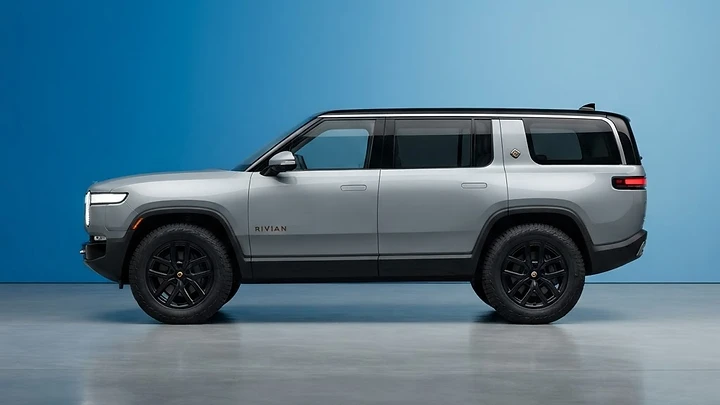
What Are You Actually Paying For?
When you sign up for a subscription, you are essentially paying for cellular data and software-enabled convenience. For example, Tesla’s Premium Connectivity provides a seamless experience, but it is important to distinguish between what you need and what is merely 'nice to have.' Standard connectivity usually covers basic navigation and safety features, while the paid tiers unlock the 'wow' factor: video streaming, browser access, and live traffic visualization. Before you click 'subscribe,' ask yourself: will I actually use these features during my daily commute, or am I just paying for the novelty of a high-tech dashboard? 

The Hidden Costs of Connected Mobility Beyond the monthly fee, there is the issue of long-term value.
If you plan to keep your vehicle for five to ten years, those $20 monthly charges add up to thousands of dollars. Furthermore, some manufacturers are experimenting with 'feature-on-demand' models, where hardware like heated seats or advanced lighting might be locked behind a paywall. At Carummah, we believe in transparency. If a feature is physically installed in your car, you should own it. Be wary of models that require a subscription to unlock performance or comfort features that were once standard. 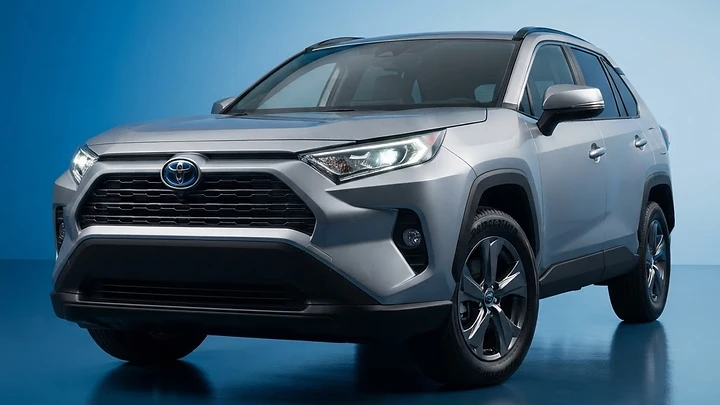

Subscription vs.
Traditional Ownership: The Honest Comparison Traditional ownership remains the gold standard for financial control. When you own your car outright, you aren't beholden to an automaker's server updates or subscription price hikes. However, subscriptions offer flexibility that traditional ownership cannot match, such as the ability to test out new software features or access short-term vehicle swaps in some pilot programs. If you are a tech enthusiast who upgrades your car every three years, a subscription-heavy model might align with your lifestyle. If you are a value-focused buyer, prioritize vehicles that offer robust standard features without the need for a monthly 'unlock' fee. 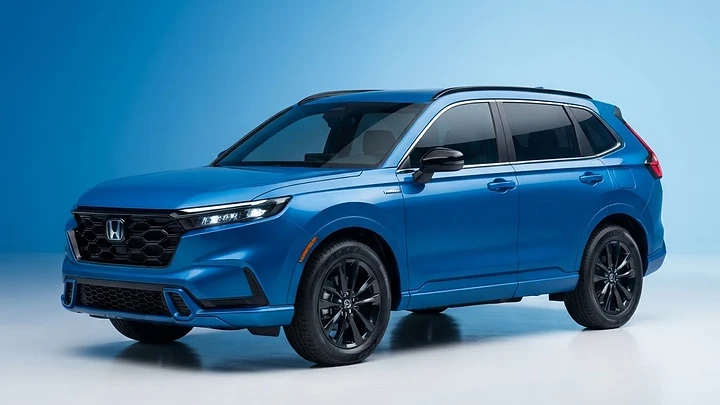

Frequently Asked Questions
Do I need a subscription to use my car's navigation?
No. Most modern vehicles, including the 2026 Toyota RAV4 or Honda CR-V, provide core navigation functionality as part of the standard vehicle package. Subscriptions usually only add 'premium' layers like live traffic or satellite imagery. #
Can I cancel my car subscription at any time?
Yes, most OEM connectivity subscriptions are month-to-month. You can typically manage these through the manufacturer's mobile app, allowing you to toggle them on for road trips and off during months where you only drive locally. #
Are subscription features transferable if I sell my car?
Generally, no. Connectivity subscriptions are tied to the vehicle's VIN and the owner's account. When you sell the car, the new owner will need to set up their own subscription account. #
Is it worth paying for premium connectivity?
It depends on your usage. If you rely on your car's built-in browser or streaming apps, it is worth it. If you primarily use Apple CarPlay or Android Auto, you likely don't need the manufacturer's premium subscription.
The Bottom Line The 2026 car market is undeniably more digital, but don't let the 'subscription' label pressure you into unnecessary spending.
Before committing to a monthly fee, test the standard features for at least 30 days. Most of the time, your smartphone—paired with a reliable mount—can replicate the functionality of expensive in-car subscriptions for free. Buy the car for its engineering, safety, and reliability, not for the promise of a subscription-locked feature.
The cars in this story
The real price and honest verdict on each one
- 2026 Rivian R1SFull-Size SUV · from $76,990
- 2026 Toyota RAV4Compact SUV · from $31,900
- 2026 Honda CR-VCompact SUV · from $30,920
- 2026 Tesla Model YSUV · from $44,990
More car news

Used Hybrid Cars: The 2026 Honest Buyer’s Guide
Considering a used hybrid? Discover why these fuel-efficient vehicles are trending in 2026 and how to find a reliable deal without overpaying.

2026 Car Buying: How to Navigate High Prices and Tech
Buying a car in 2026? Discover how to navigate record-high prices, essential tech features, and shifting market trends to secure the best deal for your needs.

Software-Defined Cars: The 2026 Honest Buyer’s Guide
Are software-defined cars worth the hype? Discover how over-the-air updates and subscription features are changing the 2026 car buying experience.