Car Subscriptions vs. Ownership: The 2026 Buyer’s Guide
Are car subscriptions the future or a financial trap? We break down the real costs of subscribing versus buying a car in 2026 to help you decide.
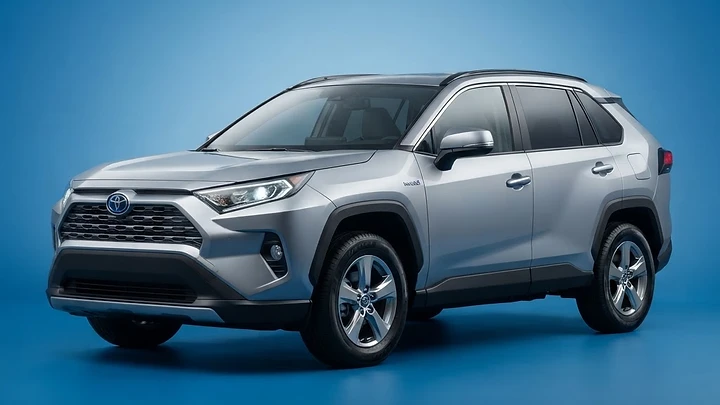
There is a quiet revolution happening on the open road. Imagine waking up on a crisp Saturday morning, the sun glinting off the hood of a brand-new vehicle that perfectly matches your life today—not the life you planned three years ago. For decades, the path to car ownership was a rigid, linear journey: save, finance, commit, and eventually, trade in. But in 2026, the automotive landscape has shifted. We are no longer just buying machines; we are curating experiences. Whether you are eyeing the efficiency of a 2026 Toyota RAV4 Hybrid or the sleek, tech-forward presence of a 2026 BMW i4, the question is no longer just 'which car?' but 'how do I want to access it?'
The Rise of the 'Netflix of Cars' Model The car subscription model has emerged as a compelling alternative to traditional financing.
Unlike a lease, which locks you into a 36-month contract with strict mileage caps and potential disposition fees, a subscription is designed for the fluid nature of modern life. You pay a monthly fee that typically bundles insurance, routine maintenance, and registration into one predictable bill. For many, this removes the 'hidden' costs of ownership that often surprise new buyers. However, it is vital to look past the convenience. While a subscription offers the freedom to swap vehicles or cancel with as little as 14 days' notice, you are essentially paying a premium for that flexibility. 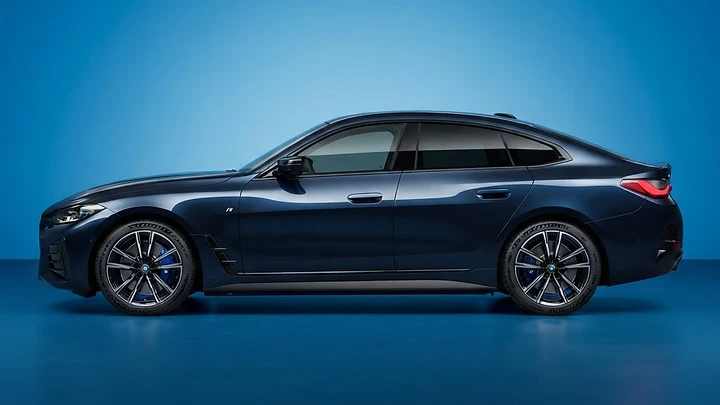
Decoding the True Cost of Ownership When you compare a subscription to a traditional purchase, the math changes significantly.
A 2026 Honda Accord Hybrid, for instance, offers incredible long-term value through its fuel efficiency and reliability. If you plan to keep your vehicle for five to seven years, financing remains the most cost-effective route. Conversely, if your career or family needs are in flux, a subscription acts as a hedge against depreciation. You aren't worried about the resale value of your car because you don't own the asset. You are paying for the utility of the vehicle, not the equity. 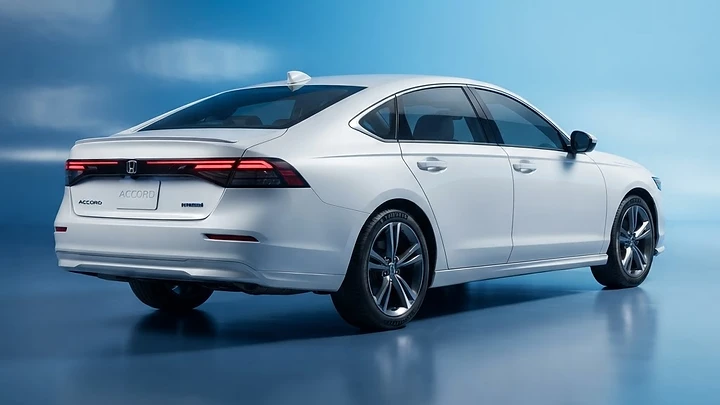

In-Car Subscriptions: The Hidden Monthly Bill It is not just the vehicle itself that has moved to a subscription model.
In 2026, many manufacturers are gating features behind digital paywalls. You might find your new SUV comes with heated seats or advanced driver-assistance systems that require a monthly 'activation' fee. Before you sign on the dotted line, ask your dealer for a full list of connected services. Some features, like basic safety telematics, might be included, but premium bundles can add $25 to $50 to your monthly overhead. Always calculate these 'micro-subscriptions' into your total cost of ownership. 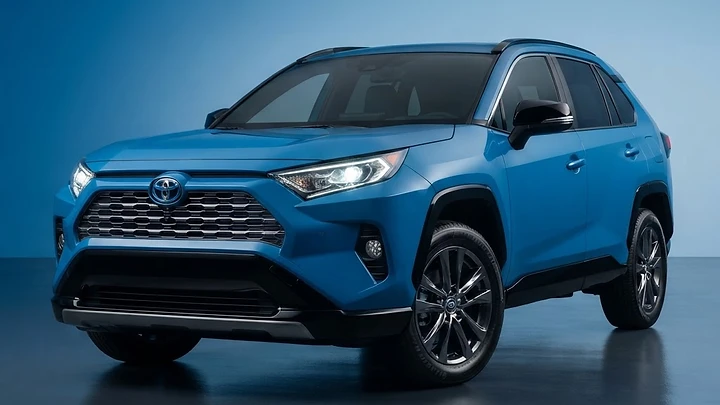

Frequently Asked Questions
Is a car subscription cheaper than a lease?
Generally, no. A lease is a long-term financial instrument with lower monthly payments because you are financing the depreciation over a set term. A subscription is a short-term service that includes insurance and maintenance, making the monthly 'sticker price' higher but the total commitment much lower.
Can I really cancel a subscription anytime?
Most reputable subscription services require a 31-day minimum hold, followed by a 14-day notice period. It is far more flexible than a lease, which often carries heavy early-termination penalties.
Does a subscription include insurance?
Most do, but you must verify the coverage limits. Some providers use third-party carriers, and your personal driving history could still impact your eligibility or the specific rate you are quoted.
Is it better to buy a used car instead?
If your goal is long-term wealth preservation, buying a reliable used vehicle is almost always the winner. Subscriptions are best for those who prioritize lifestyle flexibility over building equity. 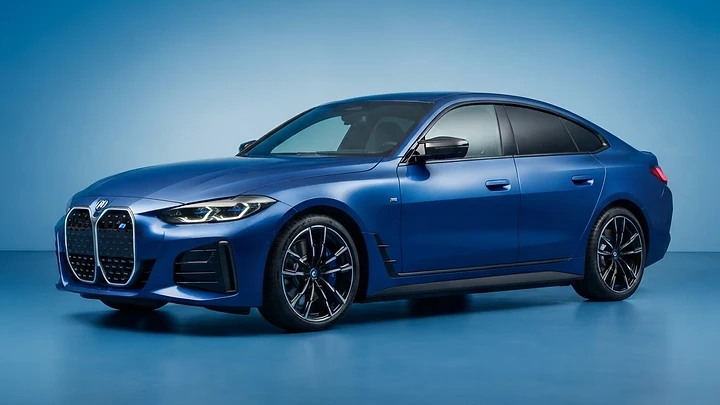

The Bottom Line The choice between subscribing and buying comes down to your personal 'flexibility index.' If you value the ability to pivot—to change your vehicle as your life changes—and you prefer a single, all-inclusive monthly payment, a subscription is a modern, stress-free solution. However, if you are looking to build long-term value and want to avoid the 'death by a thousand cuts' of monthly feature fees, traditional ownership remains the gold standard. At Carummah, we believe the best car is the one that fits your budget without keeping you up at night. Whether you choose to own or subscribe, ensure you are paying for the utility you actually use, not the marketing hype.
The cars in this story
The real price and honest verdict on each one
- 2026 BMW i4Compact Executive Sedan · from $54,300
- 2026 Honda AccordMid-Size Sedan · from $28,395
- 2026 Toyota RAV4Compact SUV · from $31,900
More car news

Used Hybrid Cars: The 2026 Honest Buyer’s Guide
Considering a used hybrid? Discover why these fuel-efficient vehicles are trending in 2026 and how to find a reliable deal without overpaying.

2026 Car Buying: How to Navigate High Prices and Tech
Buying a car in 2026? Discover how to navigate record-high prices, essential tech features, and shifting market trends to secure the best deal for your needs.


Software-Defined Cars: The 2026 Honest Buyer’s Guide
Are software-defined cars worth the hype? Discover how over-the-air updates and subscription features are changing the 2026 car buying experience.