Digital Car Keys: The 2026 Guide to Smartphone Access
Ditch the keychain. Discover how digital car keys work in 2026, which vehicles support them, and why this tech is changing the way we drive forever.
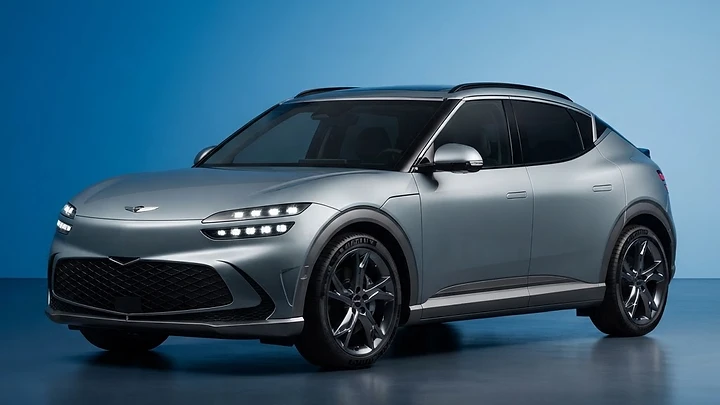
Imagine standing before your vehicle as the sun dips below the horizon, painting the sky in hues of violet and gold. You don't reach into your pocket for a heavy, clunky fob; you simply walk toward your car, and it greets you with a soft, welcoming glow of its LED signatures. This is the reality of the 2026 digital car key, a seamless fusion of mobile technology and automotive engineering that turns your smartphone into the ultimate key. As we navigate the modern landscape of vehicle ownership, the humble keychain is rapidly becoming a relic of the past, replaced by secure, encrypted, and incredibly convenient digital access.
How Digital Car Keys Work in 2026 At its core, a digital car key uses Near-Field Communication (NFC) or Ultra-Wideband (UWB) technology to communicate securely with your vehicle.
When you approach your car, the vehicle detects your authorized device—be it a smartphone or a smartwatch—and grants access. Unlike traditional fobs that rely on simple radio signals, modern digital keys utilize the same high-level encryption found in mobile banking apps. This means your car is not only easier to access but significantly more secure against relay attacks. Whether you are driving a 2026 Hyundai Palisade or a high-tech EV, the integration is designed to be invisible, letting you focus on the road ahead. 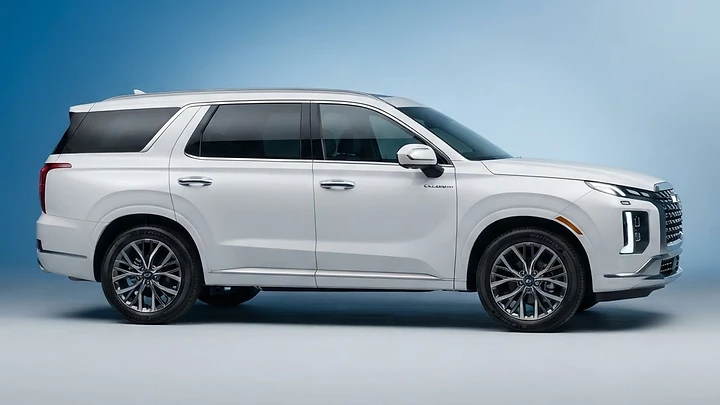
The Convenience of Smartphone-as-Key Technology The primary benefit of this technology is the sheer freedom it provides.
No more fumbling through bags or deep pockets while carrying groceries or wrangling children. With UWB-powered systems, the car recognizes your proximity, unlocking the doors as you touch the handle. Furthermore, the ability to share digital keys is a game-changer for families. Through your manufacturer’s app, you can grant temporary access to a spouse, a teenager, or even a friend, setting specific time limits or driving restrictions. It is a level of control that was unimaginable just a decade ago, turning your vehicle into a shared asset that adapts to your life’s rhythm. 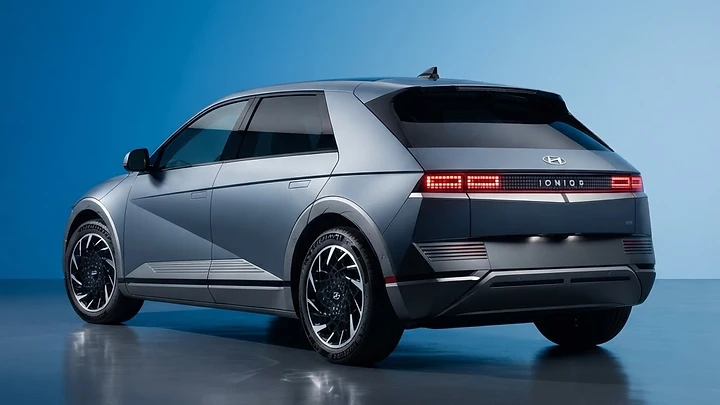

Which 2026 Vehicles Support Digital Keys?
The adoption of digital key technology has surged across the industry. Brands like Hyundai, Kia, Genesis, and BMW have been at the forefront, with Apple and Android platforms now standardizing the experience. For instance, the 2026 Genesis GV60 offers a sophisticated UWB-based system that feels like magic. Meanwhile, reports indicate that Apple Car Key support is expanding rapidly, with major manufacturers like Lexus integrating these protocols into their latest lineups. When shopping for your next vehicle, look for the 'Digital Key' or 'Phone-as-Key' feature in the tech specifications. It is often bundled with premium trim levels, but as the tech matures, it is becoming increasingly accessible in mid-range models. 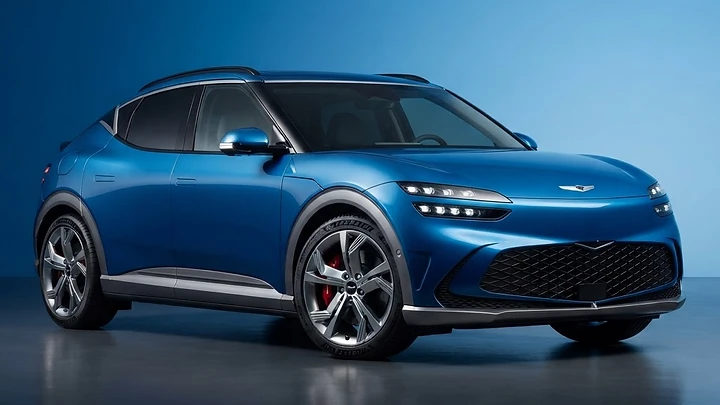

Security and Reliability: Is It Safe?
A common question from buyers is whether a digital key is as reliable as a physical one. The answer is a resounding yes. Most systems include a backup NFC card—a slim, credit-card-sized key you can keep in your wallet—for instances where your phone battery might die. Additionally, the Car Connectivity Consortium (CCC) has established global standards for these keys, ensuring that the communication between your device and your car is robust and protected. You are not just buying a car; you are buying into a secure, connected ecosystem that prioritizes your peace of mind. 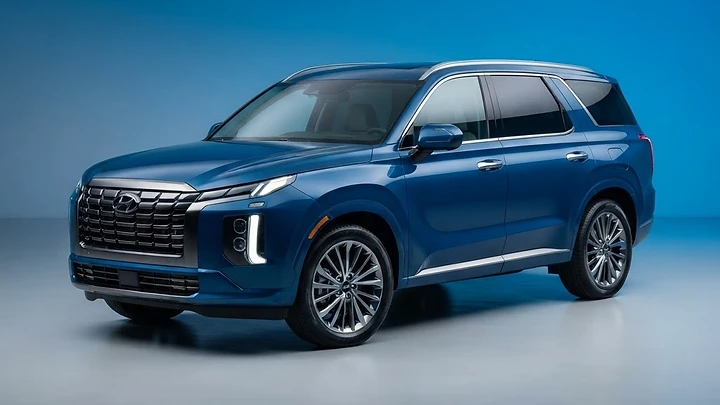

Frequently Asked Questions
Can I use a digital key if my phone battery dies?
Yes, most manufacturers provide an NFC-based backup card that works even when your phone is powered off. #
Is it difficult to set up a digital key?
Not at all. Most systems guide you through a simple pairing process via the manufacturer's mobile app, similar to connecting a Bluetooth device. #
Can I revoke access to a digital key I shared?
Absolutely. You can manage, share, or revoke digital keys instantly through your vehicle's companion app, giving you total control over who drives your car. #
Does this technology work with all smartphones?
Most modern systems support both Apple and Android devices, though you should check the specific compatibility list for your chosen vehicle model.
The Bottom Line The transition to digital car keys is more than just a tech trend; it is a fundamental shift toward a more intuitive driving experience.
If you value convenience, security, and the ability to manage your vehicle from your pocket, prioritizing this feature in your next purchase is a smart move. Whether you choose a 2026 Genesis GV60 or a tech-forward Hyundai, you are embracing a future where your car is as smart as the phone in your hand. Take the time to test this feature during your next test drive—you will quickly realize that once you go digital, you will never want to go back to a traditional key.
The cars in this story
The real price and honest verdict on each one
Every model, side by sideMore car news

2026 Car Buying: How to Navigate High Prices and Tech
Buying a car in 2026? Discover how to navigate record-high prices, essential tech features, and shifting market trends to secure the best deal for your needs.

Software-Defined Cars: The 2026 Honest Buyer’s Guide
Are software-defined cars worth the hype? Discover how over-the-air updates and subscription features are changing the 2026 car buying experience.

Head-Up Displays: Are They Worth It in 2026?
Are head-up displays worth the upgrade in 2026? We break down the safety, tech, and real-world value of HUDs to help you decide if you need one.