Fuel Economy Reality: How to Actually Save at the Pump in 2026
Confused by 2026 fuel economy ratings? We break down real-world MPG, the impact of new CAFE standards, and how to maximize your vehicle's efficiency today.
There is a quiet, rhythmic magic to the open road—the hum of tires against asphalt, the way the landscape blurs into a watercolor of possibility, and the sheer freedom of knowing your vehicle is ready for the next horizon. Yet, for the modern American driver, that sense of wonder is often interrupted by the harsh reality of the fuel gauge. In 2026, navigating the landscape of fuel economy has become more complex than ever. With shifting federal CAFE standards and a market flooded with varying powertrain technologies, finding a vehicle that balances performance with genuine efficiency is no longer just about reading a window sticker. It is about understanding the engineering marvels beneath the hood and how your own habits dictate the true cost of your journey.
The 2026 Fuel Economy Landscape: What Changed?
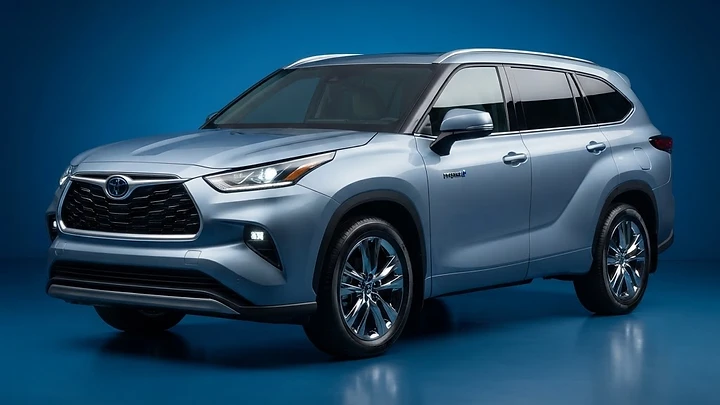
Recent regulatory shifts have altered the automotive landscape. As of late 2026, the U.S. Department of Transportation has adjusted Corporate Average Fuel Economy (CAFE) standards, moving toward a target of 34.9 mpg by 2031. While some critics argue this slows the push for extreme efficiency, for the average buyer, it means the market remains diverse. You are not forced into a single technology; instead, you have a spectrum of choices ranging from highly optimized internal combustion engines to sophisticated hybrids like the 2026 Toyota Highlander Hybrid, which consistently delivers an impressive 35 mpg combined. Understanding these standards helps you realize that the 'official' EPA number is a baseline, not a guarantee. 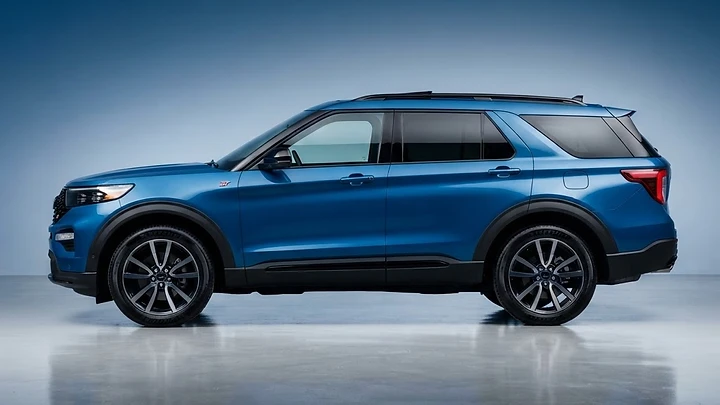
Gas vs.
Hybrid: The Real-World Math When you stand on the dealership lot, the price gap between a gas-only model and a hybrid can feel daunting. However, the long-term ownership value often tells a different story. Take the 2026 Ford Explorer, for example. While the standard 2.3L EcoBoost engine offers a respectable 24 city / 32 highway mpg, the hybrid variant can push efficiency significantly higher in stop-and-go traffic. If your daily life involves a heavy commute, the premium you pay upfront for hybrid technology is often recouped within a few years through reduced fuel consumption. It is about looking past the sticker price and calculating your 'cost-per-mile' over the five-year ownership cycle. 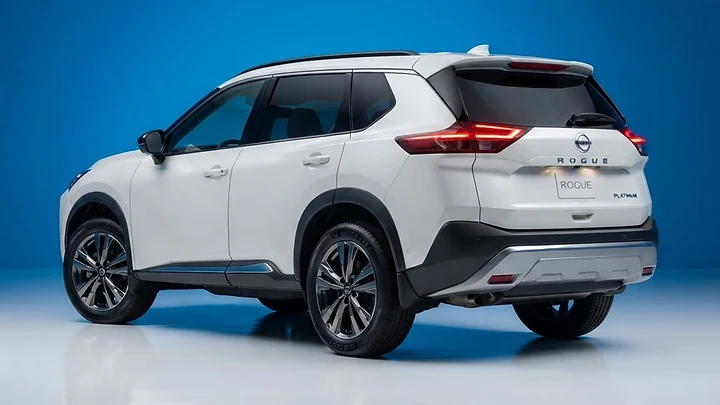

Driving Habits: The Hidden Variable in Your MPG You might be surprised to learn that the single biggest factor affecting your fuel economy isn't the car—it's you.
Studies consistently show that aggressive acceleration, harsh braking, and high-speed highway driving are the primary culprits behind poor mileage. Modern vehicles are marvels of efficiency, but they are designed to operate within specific parameters. Using cruise control on long stretches of highway and maintaining a steady, predictable speed can improve your fuel economy by a noticeable margin. Furthermore, keeping your tires properly inflated and ensuring your vehicle is serviced according to the manufacturer’s schedule ensures that the engine is not working harder than it needs to. 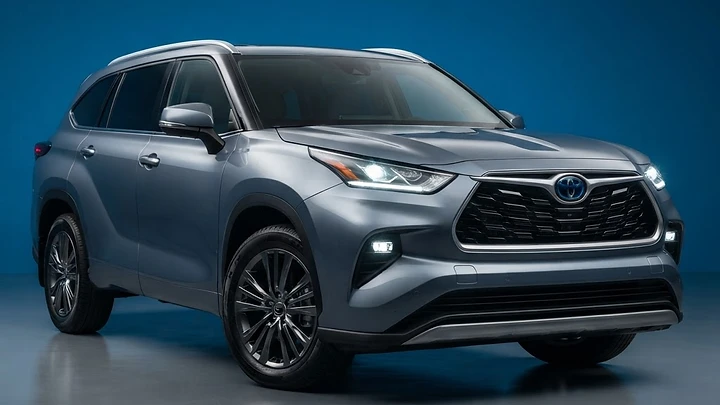

Frequently Asked Questions
Does using premium fuel improve my car's gas mileage?
For most vehicles, no. Unless your owner's manual specifically requires premium fuel for performance, using it will not improve your MPG or engine longevity. Stick to the manufacturer's recommended octane rating. #
How much does speed affect my fuel economy?
Significantly. Fuel economy typically decreases rapidly at speeds above 50 mph. Estimates suggest that every 5 mph over 50 acts like an additional cost per gallon, as your vehicle fights increased aerodynamic drag. #
Are EPA estimates accurate for real-world driving?
EPA ratings are excellent for comparing one vehicle to another, but your personal results will vary based on climate, terrain, and driving style. Always check forums or real-world testing sites for a more granular view of how a specific model performs in your region. #
Does a 'warmed-up' engine really save fuel?
Yes. A cold engine is less efficient. Planning and combining your errands into one trip allows the engine to reach its optimal operating temperature, which is significantly more fuel-efficient than taking multiple short, cold-start trips throughout the day. 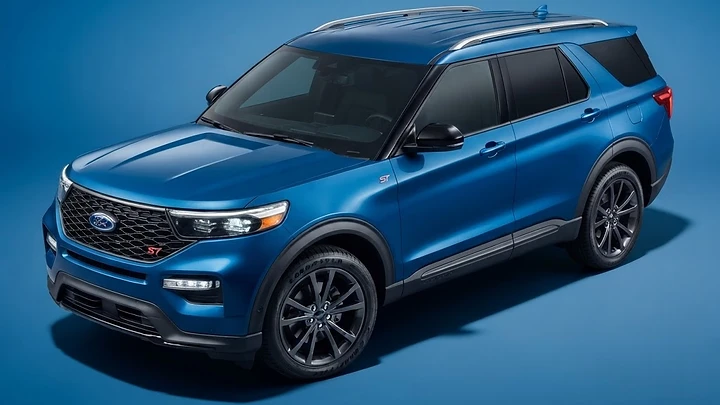

The Bottom Line: Your Path to Efficiency In 2026, the best way to save at the pump is to align your vehicle choice with your actual lifestyle.
If you are a city dweller, a hybrid is almost certainly your best investment for long-term savings. If you prioritize highway travel, a modern, aerodynamic gas-powered SUV like the 2026 Nissan Rogue can offer surprising efficiency without the added complexity of a hybrid battery. Ultimately, the most fuel-efficient car is the one that fits your needs perfectly, maintained with care, and driven with a mindful, steady hand. The road is waiting—drive it wisely, and you will find that the journey is not only more affordable but far more rewarding.
The cars in this story
The real price and honest verdict on each one
- 2026 Ford ExplorerMid-Size SUV · from $38,465
- 2026 Nissan RogueCompact SUV · from $29,230
- 2026 Toyota HighlanderMid-Size SUV · from $46,270
- 2026 GMC TerrainSUV · from $31,500
More car news

2026 Fuel Economy: The Honest Guide to Real-World Savings
Tired of gas station sticker shock? Discover the most fuel-efficient 2026 vehicles and learn how to maximize your real-world MPG without the dealership hype.

Mastering Fuel Economy: The 2026 Honest Efficiency Guide
Stop overpaying at the pump. Discover how 2026 driving habits, maintenance, and vehicle choices can slash your fuel costs and maximize your real-world MPG.

Best Gas Mileage Cars 2026: The Honest Efficiency Guide
Searching for the best gas mileage cars in 2026? We break down the most efficient non-hybrid and hybrid models to help you save money at the pump today.