Head-Up Displays: Is This Tech Worth It in 2026?
Are head-up displays just a gimmick or a safety essential? We break down the 2026 tech, costs, and whether you should pay extra for a HUD in your next car.
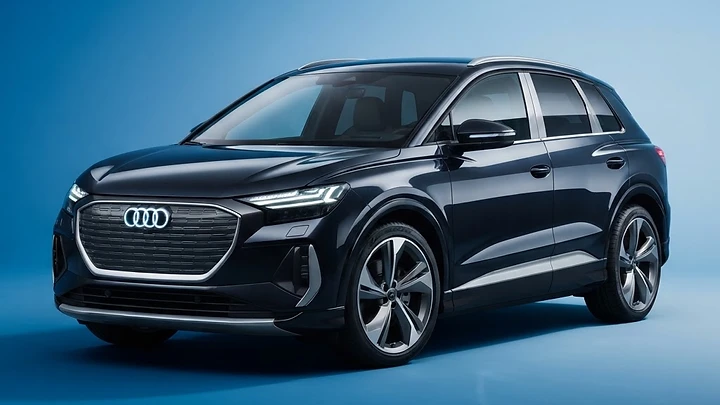
Imagine cruising down a winding coastal highway at dusk, the sky painted in hues of violet and gold. You are completely immersed in the rhythm of the road, yet you never have to glance down at your speedometer or fumble with a navigation screen. Instead, vital information—your speed, the next turn, and even potential hazards—appears to float effortlessly just above the hood, perfectly aligned with your line of sight. This is the promise of the modern head-up display (HUD), a piece of automotive technology that has evolved from a fighter-jet luxury into a transformative tool for the everyday driver. As we navigate the 2026 car market, understanding whether this feature is a must-have or a costly distraction is essential for any smart buyer.
What Exactly Is a Head-Up Display?
At its core, a head-up display is a projector system housed within your dashboard that casts critical driving data onto the windshield or a dedicated transparent panel. While the concept dates back to the 1988 Oldsmobile Cutlass Supreme, today’s systems are light-years ahead. Modern HUDs are designed to keep your eyes focused on the road, reducing the cognitive load of shifting your gaze between the instrument cluster and the pavement. By keeping your attention forward, you gain precious seconds of reaction time—a safety benefit that is hard to put a price on. 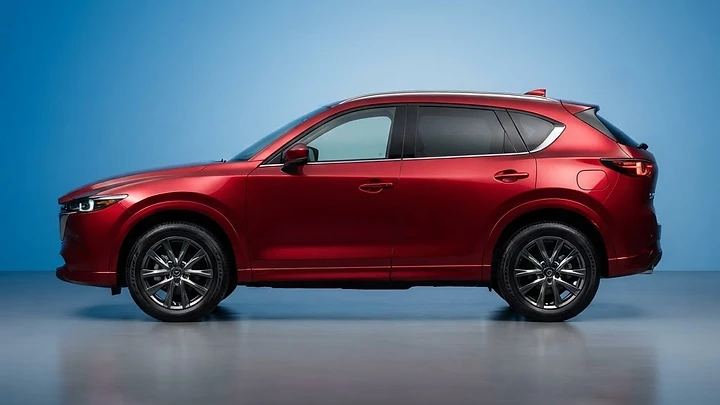
The Rise of Augmented Reality (AR) HUDs The most exciting development in 2026 is the integration of augmented reality.
Unlike traditional HUDs that simply display static numbers, AR systems interact with the world around you. Imagine a navigation arrow that doesn't just point to a turn, but appears to be painted directly onto the road surface exactly where you need to steer. Brands like Audi are leading this charge, using advanced optics to make these graphics appear as if they are floating 30 feet in front of the vehicle. This isn't just "cool" tech; it’s a significant leap in situational awareness, helping you identify lane markers in poor visibility or highlighting pedestrians before you might otherwise see them. 

Is a HUD Worth the Extra Cost?
When you are configuring your next vehicle, you will often find the HUD bundled into premium packages. For a 2026 model, this can add anywhere from $800 to $2,500 to your bottom line, depending on the brand and the complexity of the system. If you are a high-mileage commuter or someone who frequently navigates complex urban environments, the safety and convenience benefits are substantial. However, if you primarily drive in familiar areas or prefer a minimalist cabin, you might find the extra cost better spent on other features like upgraded safety suites or extended warranties. Always test the display with your preferred sunglasses; some polarized lenses can make certain HUDs difficult to read. 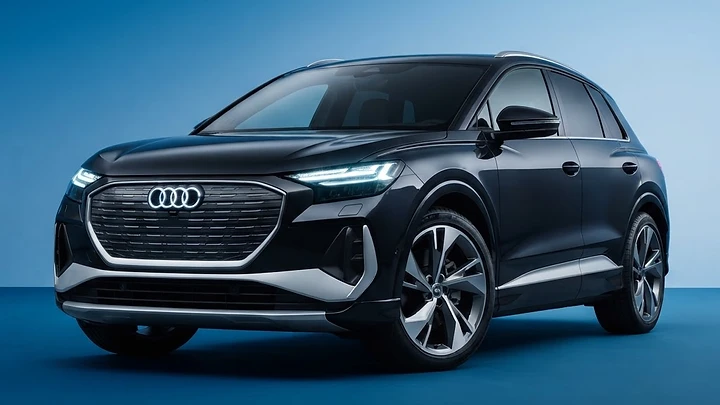

The Future of the Connected Cockpit As we look toward 2035, the automotive HUD market is projected to grow to over $7 billion, signaling that this technology is becoming a standard expectation rather than a luxury outlier.
While some startups like Tesla and Rivian have opted to omit HUDs in favor of centralized screen layouts, the industry at large is moving toward more immersive, driver-centric displays. The goal is to create a seamless "connected cockpit" where the car anticipates your needs, providing data only when it is relevant, thereby reducing the "screen fatigue" that many drivers are beginning to dread in 2026. 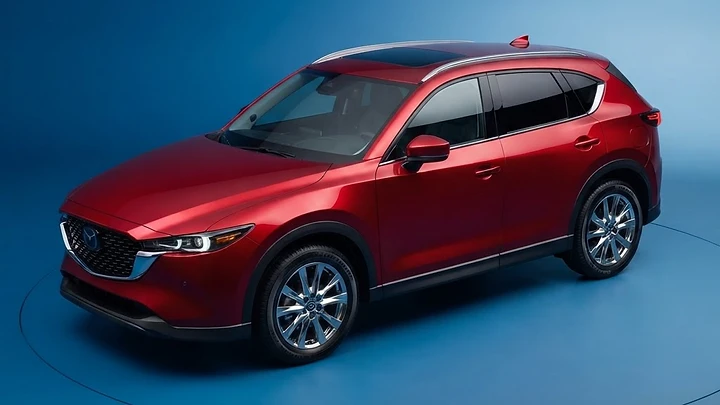

Frequently Asked Questions
Can I add a head-up display to my current car?
Yes, there are aftermarket HUD units available that plug into your OBD-II port or connect via smartphone apps. While they lack the seamless integration of a factory-installed system, they offer a budget-friendly way to experience the tech. #
Do all HUDs work with polarized sunglasses?
Not necessarily. Some HUDs use light polarization that can conflict with polarized lenses, causing the display to look dim or invisible. It is highly recommended to bring your sunglasses to your test drive to ensure compatibility. #
Are HUDs distracting to the driver?
Most studies suggest the opposite. By keeping your eyes on the road rather than looking down at a center console or gauge cluster, HUDs actually reduce the time your eyes are off the road, which is a primary cause of distracted driving. #
Will a HUD increase my car's resale value?
While it may not add a massive dollar amount to your trade-in value, it does make your vehicle more attractive to tech-savvy buyers, potentially helping your car sell faster in the used market.
The Bottom Line If you are in the market for a new vehicle in 2026, a head-up display is one of the few "bells and whistles" that offers genuine, daily utility.
If your budget allows, prioritize a factory-integrated system over an aftermarket solution for the best clarity and reliability. For families or long-distance travelers, the added safety of keeping your eyes on the road is well worth the investment. Choose a vehicle that allows you to customize the display brightness and position, and you will find that the open road feels a little more intuitive, a little safer, and a lot more futuristic.
The cars in this story
The real price and honest verdict on each one
Every model, side by sideMore car news

2026 Car Buying: How to Navigate High Prices and Tech
Buying a car in 2026? Discover how to navigate record-high prices, essential tech features, and shifting market trends to secure the best deal for your needs.

Software-Defined Cars: The 2026 Honest Buyer’s Guide
Are software-defined cars worth the hype? Discover how over-the-air updates and subscription features are changing the 2026 car buying experience.

Head-Up Displays: Are They Worth It in 2026?
Are head-up displays worth the upgrade in 2026? We break down the safety, tech, and real-world value of HUDs to help you decide if you need one.