Home EV Charger Installation: The Honest 2026 Cost Guide
Planning to install a home EV charger in 2026? Discover the real costs, from hardware to electrical upgrades, and learn how to budget for your home setup.
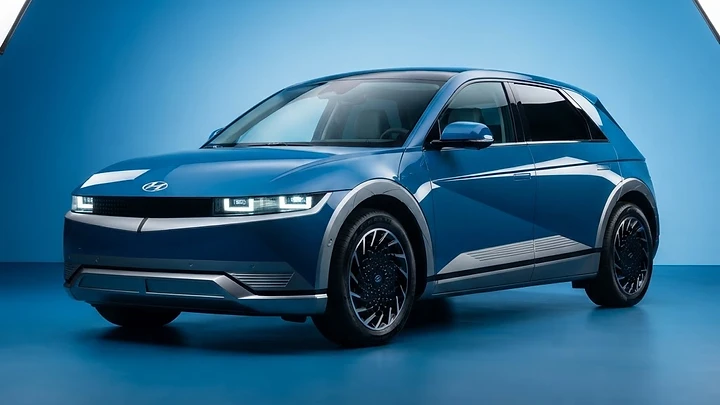
There is a quiet, transformative magic in the morning ritual of an electric vehicle owner. You step into your garage, the air still cool, and find your car fully energized, having sipped power silently while you slept. It is a seamless marriage of modern engineering and daily convenience, turning the chore of refueling into a non-event. However, for many American buyers, the transition to electric mobility brings a lingering question: what is the true cost of bringing that power into your home? As we navigate 2026, understanding the financial reality of home EV charger installation is the final piece of the puzzle for a stress-free ownership experience.
The Real Cost of Level 2 Charging Setup When you move beyond the standard Level 1 cord that plugs into a household outlet—which offers only a trickle of range—you enter the world of Level 2 charging.
This is the gold standard for EV owners, providing the speed necessary to replenish your battery overnight. According to 2026 industry data, the total cost for a professional Level 2 installation typically ranges from $749 to $2,500, with a national average hovering around $1,700. This figure is not just for the hardware; it is a composite of the charger unit itself, professional labor, and the necessary electrical infrastructure. 
Breaking Down the Three Cost Buckets To budget effectively, you must look at your project through three distinct lenses: hardware, labor, and electrical capacity.
First, the charger hardware typically costs between $400 and $1,000. While you might find cheaper units, investing in a UL or ETL-certified charger is non-negotiable for safety. Second, labor costs vary by region and complexity, generally falling between $250 and $800 for a standard install. Finally, the "hidden" variable is your home's electrical panel. If your panel is outdated or lacks the capacity to handle a continuous 240-volt load, you may need an upgrade, which can add $650 to $2,000+ to your total bill. 
The Outlet vs.
Hardwire Decision One of the most common questions buyers face is whether to install a NEMA 14-50 outlet or opt for a hardwired connection. A NEMA 14-50 outlet—the same type used for heavy-duty dryers—offers flexibility, allowing you to unplug your charger if you move or switch units. However, hardwiring a charger directly into your electrical system is often safer for long-term, high-amperage use and is required by some local building codes. Always consult a licensed electrician to determine which path is best for your specific home layout and local regulations. 
Planning for Long-Term Ownership Value While the upfront cost of installation can feel significant, it is an investment in the longevity of your vehicle and the convenience of your lifestyle.
When you factor in the savings on fuel compared to internal combustion engines, many owners find that the convenience of home charging pays dividends over the life of the car. Before you commit, check for local utility rebates or state-level incentives, which can often offset a portion of the installation labor or hardware costs, making the transition to electric power even more accessible. 
Frequently Asked Questions
How long does a typical home EV charger installation take?
A straightforward installation usually takes 3 to 6 hours. However, if your project requires trenching for a detached garage or significant electrical panel upgrades, it can take a full day or more. #
Do I need a permit for my EV charger?
Yes, in almost all jurisdictions, a permit is required. This ensures the work meets safety standards and protects your home insurance coverage. #
Can I use a standard 120-volt outlet?
You can, but it is very slow, providing only about 3-5 miles of range per hour. It is generally only sufficient for plug-in hybrids with smaller batteries or very low daily driving needs. #
What is the 125% rule?
Electrical codes require that the circuit breaker for an EV charger be sized at 125% of the charger's continuous load to prevent overheating and ensure safety.
The Bottom Line Installing a home EV charger is the single best way to unlock the true potential of your electric vehicle.
While the average cost of $1,700 might seem daunting, it is a one-time investment that transforms your daily routine. Prioritize safety by hiring a licensed professional, verify your electrical panel's capacity early, and always look for local rebates to lower your out-of-pocket expenses. With the right setup, your car will be ready for the open road every single morning.
More car news


How Long Do EV Batteries Last? The 2026 Honest Truth
Wondering how long your EV battery will actually last? We break down the 2026 data on battery degradation, lifespan, and how to protect your investment.


Plug-In Hybrid vs. Hybrid: Which 2026 Model Fits Your Life?
Confused by the choice between a hybrid and a plug-in hybrid? We break down the 2026 market to help you decide which powertrain saves you the most money.


Hybrid Battery Replacement: The Honest 2026 Cost Guide
Worried about hybrid battery replacement costs? We break down the real 2026 prices, lifespan data, and how to protect your investment for the long haul.