How Long Do EV Batteries Last? The 2026 Honest Truth
Wondering how long your EV battery will actually last? We break down the 2026 data on battery degradation, lifespan, and how to protect your investment.

There is a quiet, humming revolution happening on American roads, one that promises a future of silent acceleration and cleaner air. Yet, for many prospective buyers, a single, persistent question casts a shadow over the excitement of switching to electric: How long will the battery actually last? It is the heartbeat of your vehicle, the silent reservoir of energy that makes every journey possible, and the most significant investment in your car. The good news is that the data from 2026 is in, and it is far more encouraging than the myths that have circulated for years. Modern electric vehicle batteries are not just durable; they are engineering marvels designed to outlast the very cars they power.
The Reality of Battery Degradation in 2026 Recent, large-scale analyses of over 22,700 electric vehicles have provided a clear picture of what to expect.
On average, modern EV batteries experience an annual degradation rate of approximately 2.3%. This means that if you purchase a vehicle with a 300-mile range today, you are looking at a very gradual, predictable decline rather than a sudden failure. Even after a decade of ownership, your vehicle will likely retain over 80% of its original capacity. This longevity is a testament to advanced thermal management systems that keep the battery within its "happy zone," regardless of whether you are driving through the sweltering heat of the Southwest or the biting cold of the Northeast. 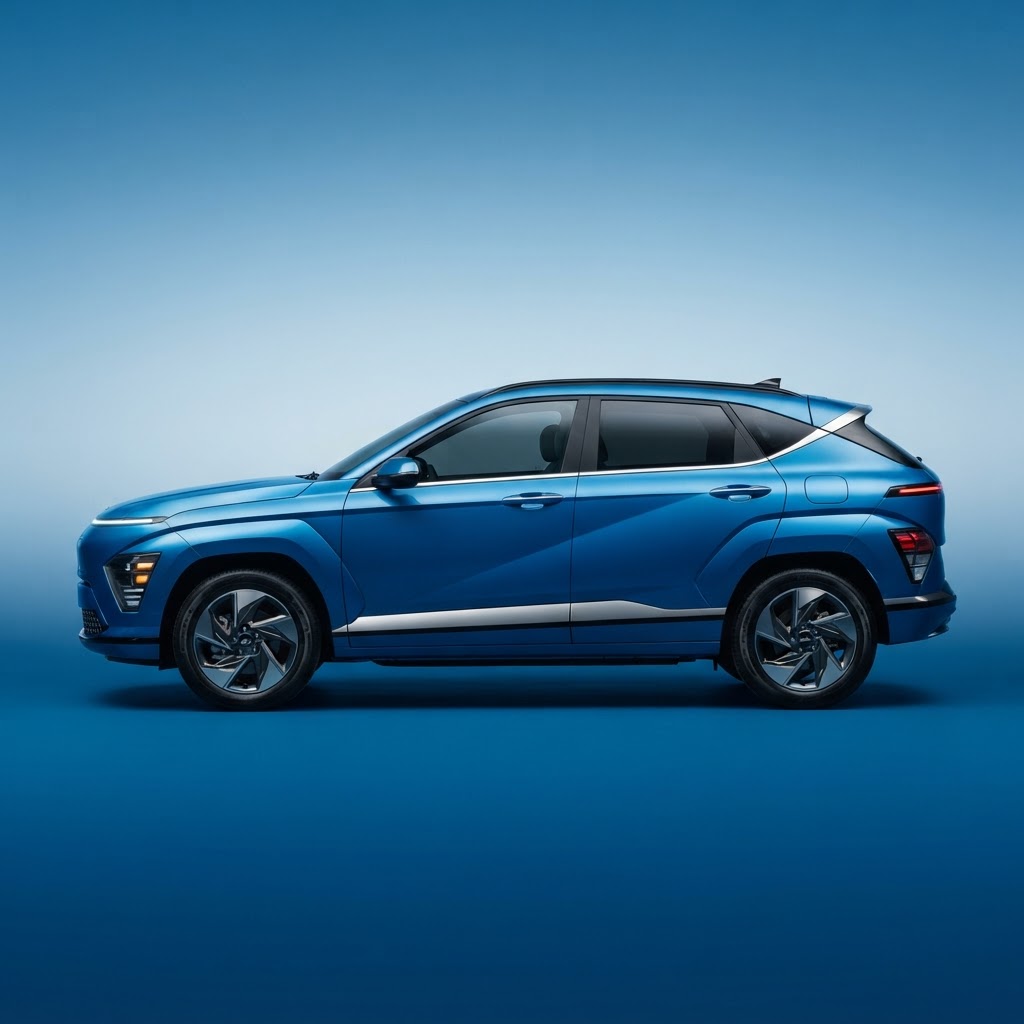
Why Kia and Hyundai Are Setting the Pace In the competitive landscape of 2026, some manufacturers are proving to be particularly adept at battery longevity.
Independent diagnostic testing has highlighted that vehicles from the Hyundai Motor Group, including models like the Kia Niro EV and Hyundai Kona Electric, are consistently topping the charts for state-of-health retention. These vehicles utilize sophisticated battery management software that optimizes charging cycles and temperature regulation, ensuring that the chemistry inside the cells remains stable over hundreds of thousands of miles. When you look at the 8-year/100,000-mile warranties offered by most major manufacturers, you are seeing a guarantee that the industry is confident in these systems. 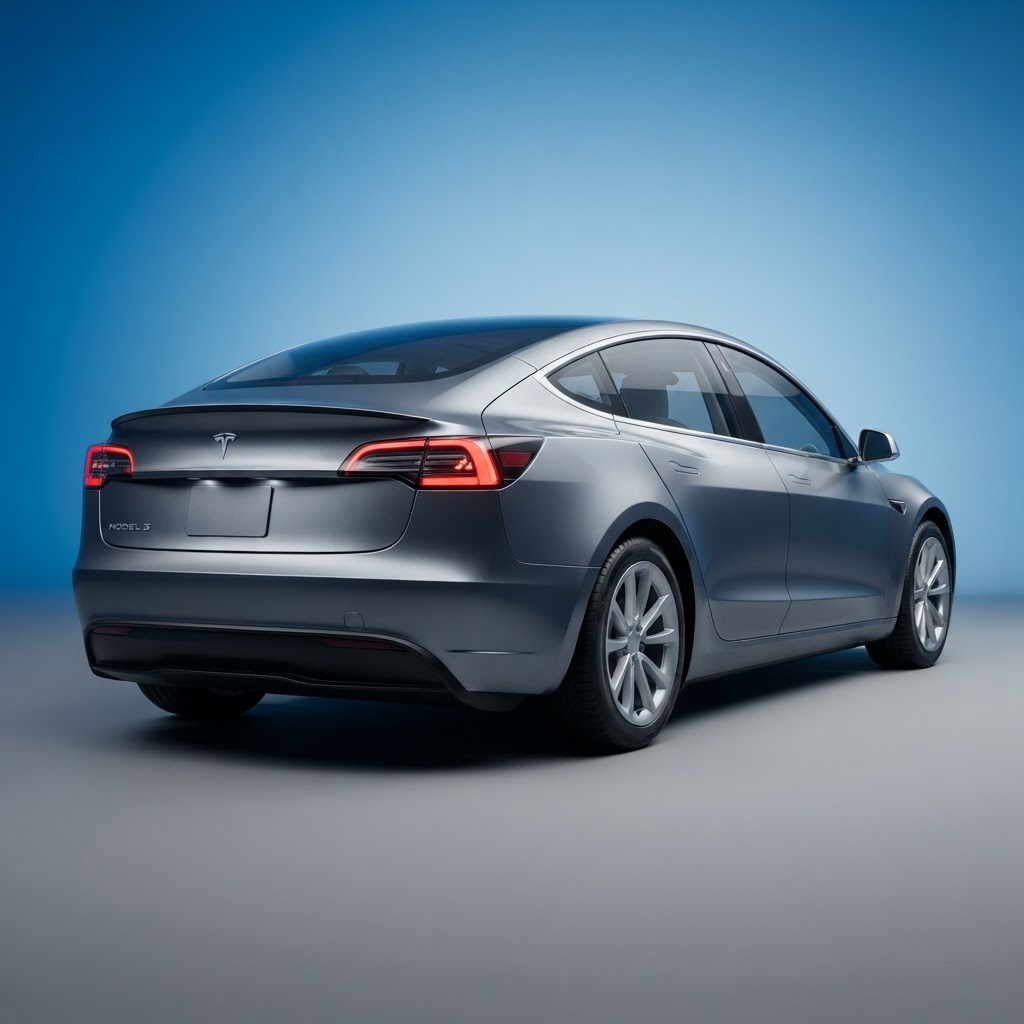
Smart Habits to Extend Your Battery Life While the technology is robust, your daily habits can act as a force multiplier for your battery's health.
The most effective strategy is to avoid the extremes. Lithium-ion batteries prefer to live in the "Goldilocks zone"—between 20% and 80% state of charge. While it is perfectly fine to charge to 100% for a long road trip, making it a daily habit can accelerate calendar aging. Furthermore, while DC fast charging is a miracle for long-distance travel, relying on it exclusively can generate excess heat that stresses the battery over time. By prioritizing Level 2 home charging for your daily commute, you are essentially giving your battery a gentle, long-term health boost. 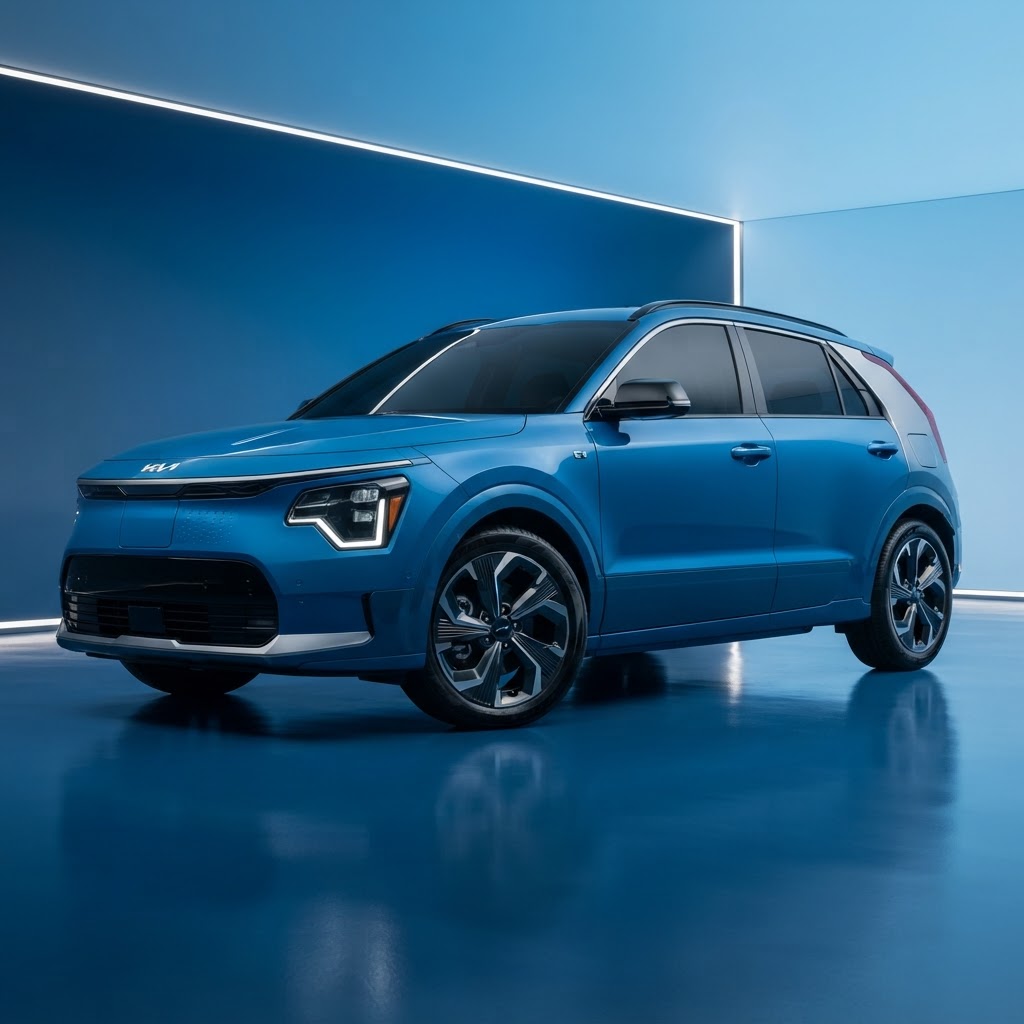
Frequently Asked Questions
Do I need to replace my EV battery after 100,000 miles?
No. Most modern EV batteries are designed to last 15 to 20 years. The 100,000-mile warranty is a minimum threshold, not an expiration date. Many vehicles will continue to perform reliably well beyond that point. #
Does extreme weather ruin an EV battery?
Extreme heat is the primary enemy of battery longevity. Parking in the shade during summer months and using your car's built-in thermal management features while plugged in can significantly mitigate degradation. #
Is a used EV a risky purchase?
Not necessarily. Today, you can request a battery health report for most used EVs. This gives you a transparent look at the battery's current capacity, allowing you to buy with the same confidence you would have when checking the engine health of a gas-powered car. #
Does fast charging damage the battery?
Frequent use of high-power DC fast charging can slightly increase the rate of degradation compared to slower home charging. However, for most drivers, the convenience of fast charging far outweighs the negligible impact on long-term lifespan. 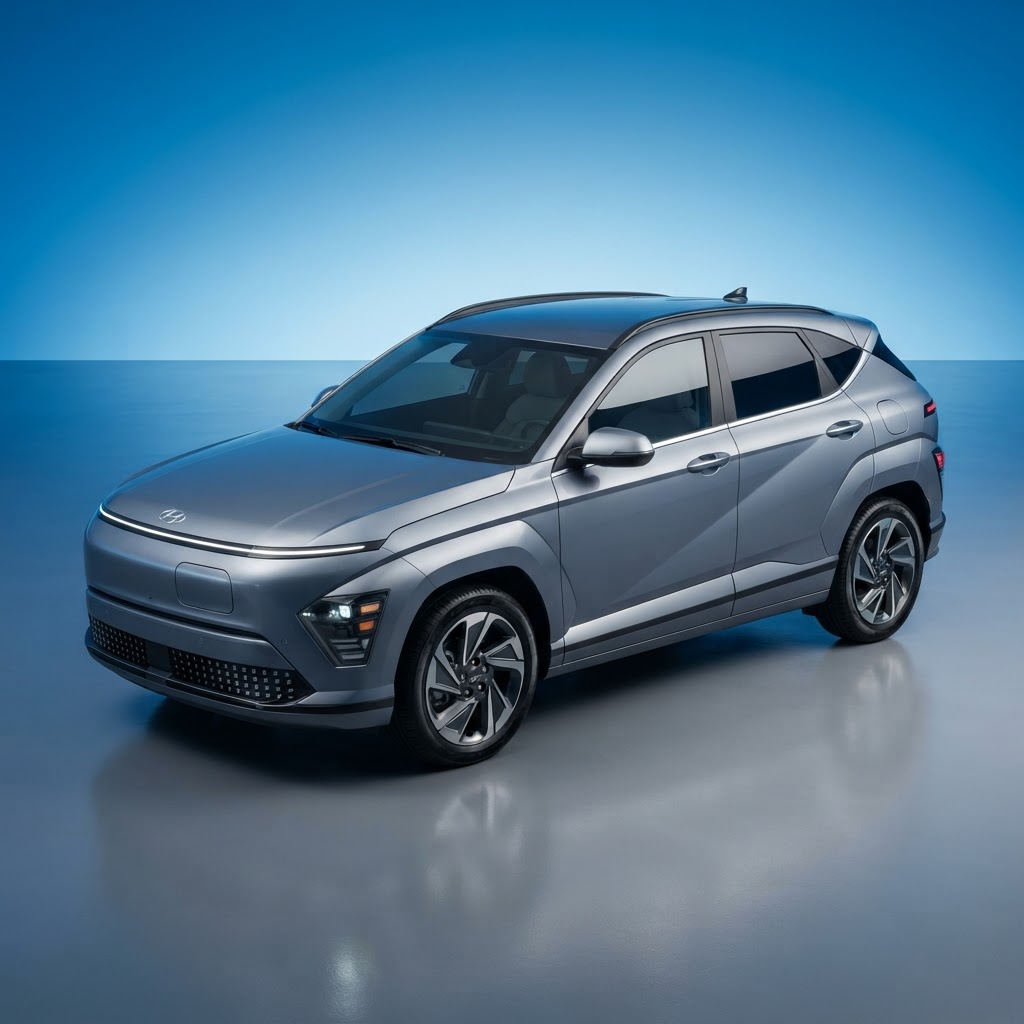
The Bottom Line The fear surrounding EV battery life is largely a relic of the past.
In 2026, the data confirms that electric vehicle batteries are incredibly resilient, often outlasting the typical ownership cycle of a vehicle. By choosing a model with a proven track record, practicing moderate charging habits, and utilizing your vehicle's built-in management tools, you can enjoy the benefits of electric driving for years to come. The open road is waiting, and with the right knowledge, you can drive into the future with total peace of mind.
More car news

Is Public EV Charging Finally Reliable in 2026?
Tired of charging anxiety? We break down the 2026 state of public EV charging, reliability trends, and what you need to know before buying your next electric car.


EV Charging Reality: What 2026 Buyers Need to Know
Confused by public EV charging? We break down the 2026 reality of charger reliability, network growth, and what you need to know before buying your next EV.

Plug-In Hybrid vs. Hybrid: Which 2026 Model Fits Your Life?
Confused by the choice between a hybrid and a plug-in hybrid? We break down the 2026 market to help you decide which powertrain saves you the most money.