Is Public EV Charging Finally Reliable in 2026?
Tired of charging anxiety? We break down the 2026 state of public EV charging, reliability trends, and what you need to know before buying your next electric car.

There is a quiet, electric revolution happening on the highways and in the suburban corners of America. Imagine pulling off a long stretch of interstate, the sun dipping low behind the horizon, and plugging your vehicle into a station that works the first time, every time. For years, the promise of the open road in an electric vehicle was shadowed by the fear of the 'broken charger'—a frustration that kept many families tethered to gasoline. But as we move through 2026, the narrative is shifting from anxiety to genuine capability. The infrastructure is finally catching up to the engineering marvels sitting in our driveways, making the dream of seamless, long-distance electric travel a reality for more Americans than ever before.
The Reliability Renaissance: Why 2026 Feels Different If you have been hesitant to make the switch to an EV, you are not alone.
Recent data from the HERE-SBD EV Index 2026 shows that 53% of U.S. drivers are now more open to considering an EV than they were just a year ago. This isn't just a change of heart; it is a response to a tangible improvement in the charging experience. Reliability is no longer a buzzword—it is a mandate. New industry standards, such as the OCPP 2.0.1 protocol, are forcing networks to be more transparent and communicative about their uptime. We are seeing fewer 'failed charging attempts' than at any point in the last four years, signaling that the industry has finally prioritized the user experience over rapid, unchecked expansion. 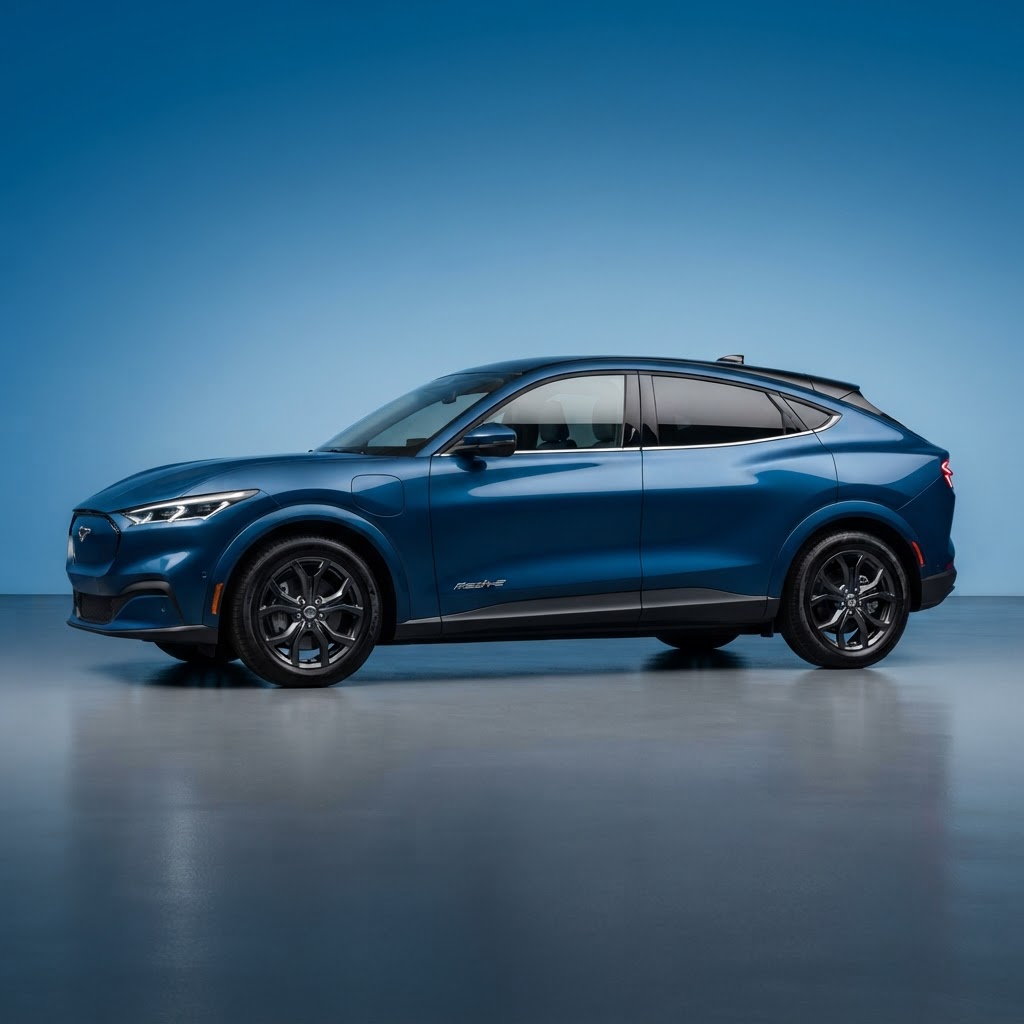
Understanding the Charging Landscape: Destination vs.
En-Route Not all chargers are created equal, and understanding the difference is key to stress-free ownership. In 2026, we categorize public infrastructure into three main buckets: destination, on-street, and en-route. Destination chargers—found at shopping centers, hotels, and dealerships—are designed for longer stays, often providing Level 2 speeds that top off your battery while you live your life. En-route chargers, the high-speed DC fast chargers (DCFC), are the lifeblood of road trips. With the total EV charging power footprint in the U.S. increasing by 47% recently, these high-speed stations are becoming more strategically placed along major corridors, reducing the time you spend waiting and increasing the time you spend exploring. 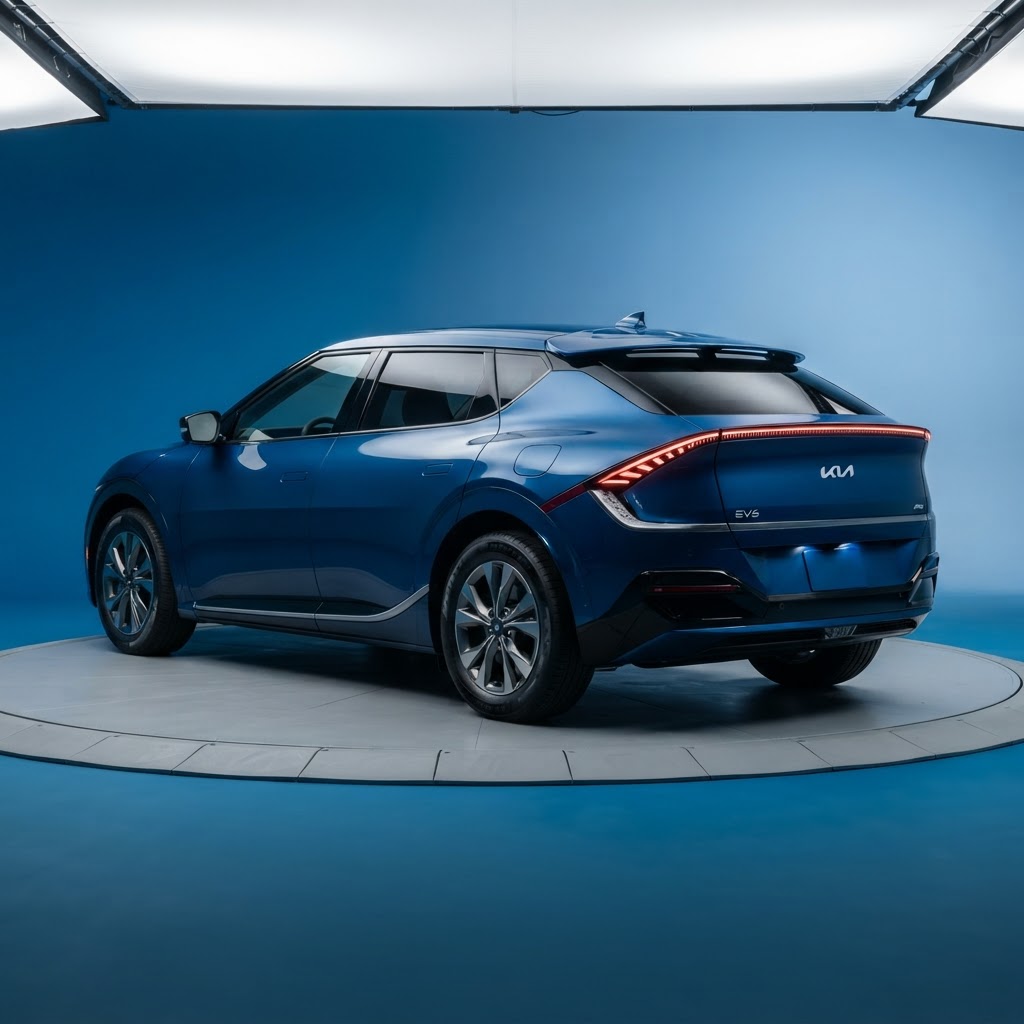
The Cost of Convenience: What to Expect at the Plug Transparency is the cornerstone of the modern EV experience.
Gone are the days of confusing, proprietary apps for every single network. Today’s buyers are demanding—and receiving—easier payment methods and clearer pricing structures. When you pull up to a 2026-compliant station, you can expect a more retail-like experience. Whether you are driving a high-efficiency sedan like the Hyundai Ioniq 6 or a versatile SUV like the Ford Mustang Mach-E, the cost per kilowatt-hour is becoming more standardized. While home charging remains the most cost-effective method for daily commuting, the public network is finally becoming a reliable safety net that doesn't break the bank. 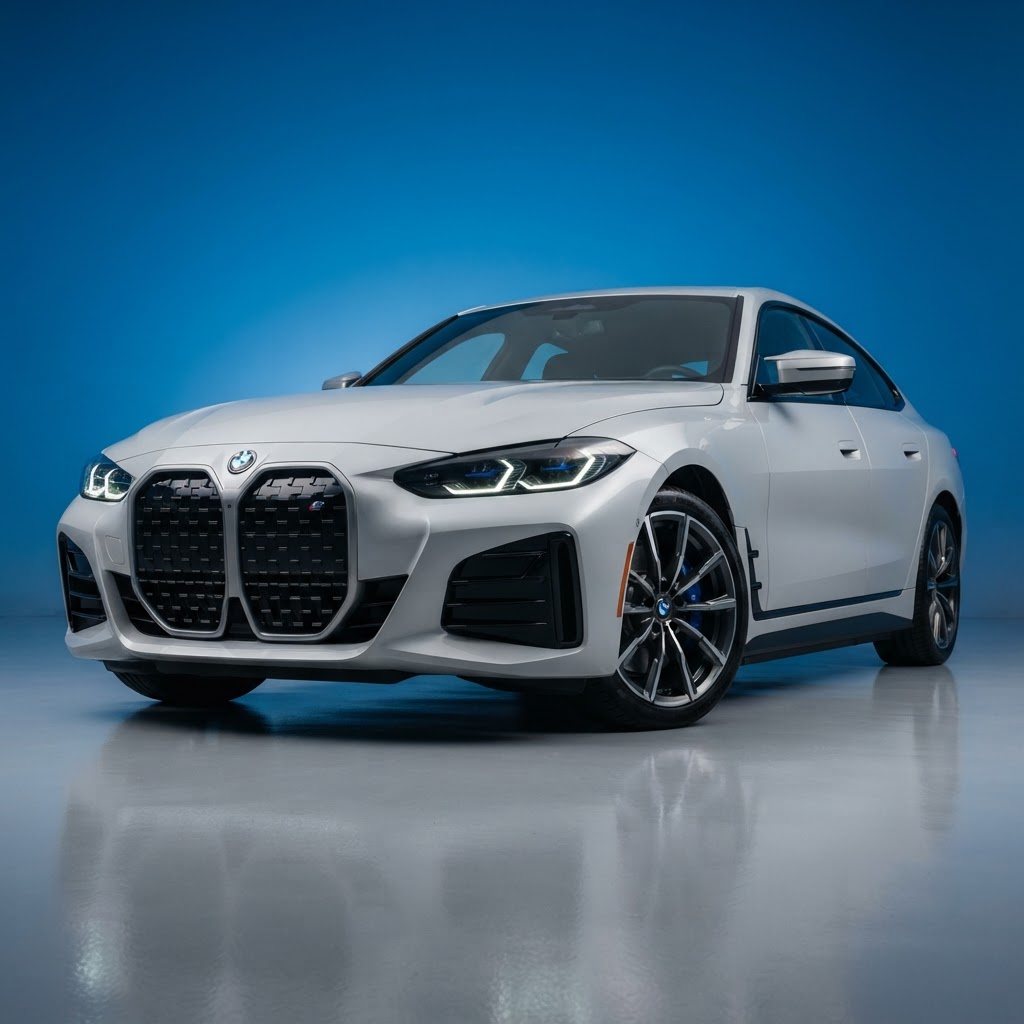
Frequently Asked Questions
Is it true that public chargers are becoming more reliable?
Yes. Recent industry reports indicate that non-charging visits—instances where a driver arrives at a station but cannot charge—have hit their lowest levels in four years. New reliability standards and better maintenance funding are the primary drivers of this progress. #
Do I need to download a dozen apps to charge my car?
The industry is moving toward 'Plug and Charge' technology and universal payment standards. While some networks still use apps, the trend is heavily favoring credit card readers and seamless vehicle-to-charger communication, making the process much closer to swiping a card at a gas pump. #
How do I find the best chargers on a road trip?
Use integrated navigation systems. Modern EVs like the Kia EV6 or the BMW i4 feature advanced route planning that automatically accounts for your battery state-of-charge, suggests the best charging stops, and even pre-conditions your battery for faster charging speeds upon arrival. 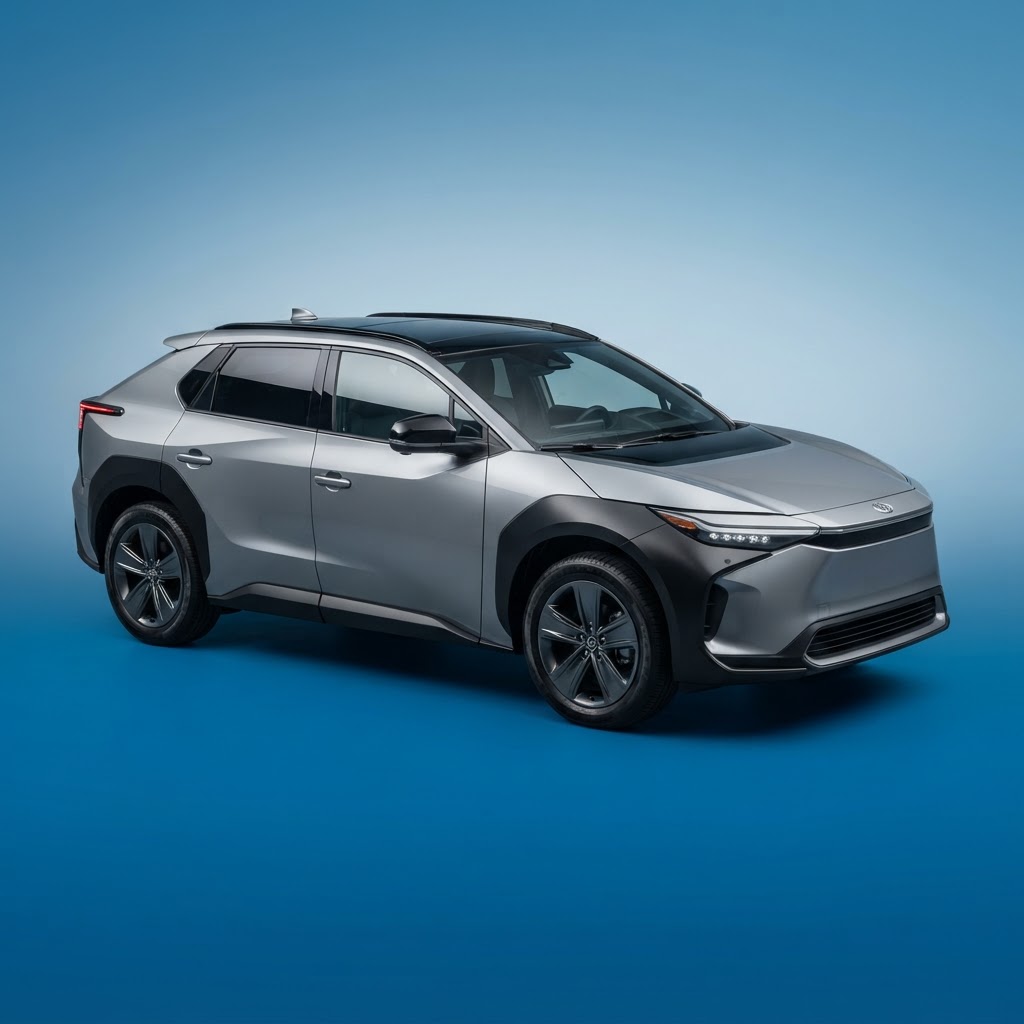
The Bottom Line The 2026 EV landscape is one of maturity and promise.
While the transition to electric mobility is not perfectly uniform across every state, the momentum is undeniable. If you have been waiting for the infrastructure to 'grow up' before making your purchase, that time has arrived. The combination of increased uptime, better geographic coverage, and smarter vehicle-integrated navigation means that your next car can be an EV without compromising your freedom. Buy with confidence, plan your routes with the latest tech, and enjoy the quiet, powerful thrill of the road ahead.
More car news


EV Charging Reality: What 2026 Buyers Need to Know
Confused by public EV charging? We break down the 2026 reality of charger reliability, network growth, and what you need to know before buying your next EV.

How Long Do EV Batteries Last? The 2026 Honest Truth
Wondering how long your EV battery will actually last? We break down the 2026 data on battery degradation, lifespan, and how to protect your investment.

Plug-In Hybrid vs. Hybrid: Which 2026 Model Fits Your Life?
Confused by the choice between a hybrid and a plug-in hybrid? We break down the 2026 market to help you decide which powertrain saves you the most money.