Plug-In Hybrid vs. Hybrid: Which 2026 Model Fits Your Life?
Confused by the choice between a hybrid and a plug-in hybrid? We break down the 2026 market to help you decide which powertrain saves you the most money.
Imagine pulling into your driveway after a long day, the silence of your neighborhood matched only by the quiet hum of your vehicle’s electric motor. You haven't visited a gas station in weeks, yet you know that if a spontaneous weekend road trip calls, you can drive hundreds of miles without a single charging stop. This is the promise of the modern electrified vehicle, a bridge between the convenience of gasoline and the efficiency of the future. For the 2026 American car buyer, the choice between a traditional hybrid (HEV) and a plug-in hybrid (PHEV) is more than just a technical decision; it is a lifestyle choice that dictates how you interact with the road, your home, and your monthly budget.
Understanding the Hybrid vs.
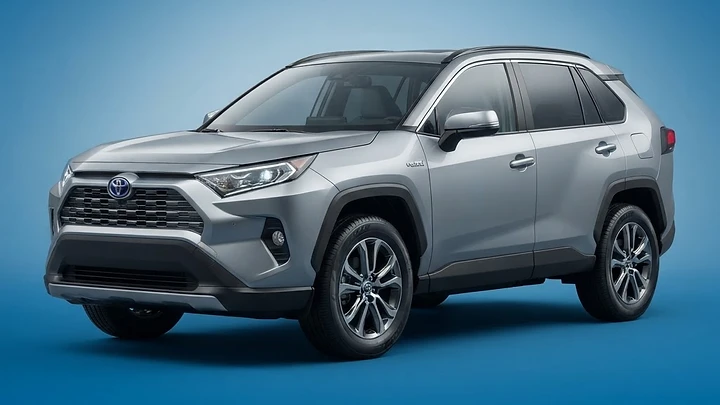
PHEV Divide The fundamental difference lies in the battery and your daily routine. A traditional hybrid, like the 2026 Toyota RAV4 Hybrid, uses a small battery that charges itself through regenerative braking and the gas engine. You never plug it in. A plug-in hybrid, such as the 2026 Mitsubishi Outlander PHEV, features a significantly larger battery that requires a wall outlet or charging station to reach its full potential. When fully charged, a PHEV can typically travel 30 to 50 miles on pure electricity. Once that range is depleted, the vehicle seamlessly transitions into a standard hybrid, using its gasoline engine to keep you moving. This dual-nature capability is why many experts view PHEVs as the ultimate 'have-your-cake-and-eat-it-too' solution for families who aren't quite ready for a full battery-electric vehicle (BEV). 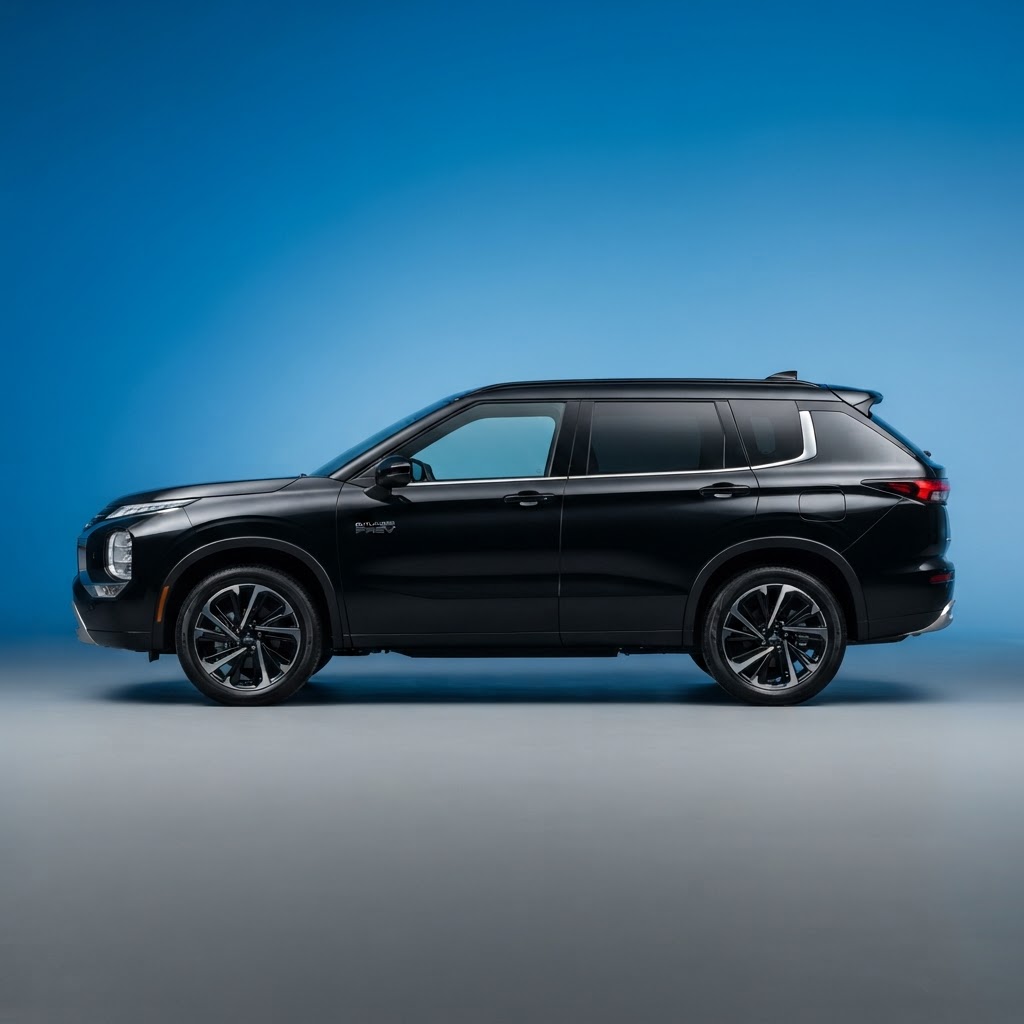
The Real Cost of Ownership in 2026 When evaluating the financial impact, the math has shifted significantly in 2026.
While PHEVs often carry a higher MSRP than their standard hybrid counterparts, the long-term savings depend entirely on your charging habits. If you have a dedicated home charger and a commute under 40 miles, a PHEV can effectively eliminate your daily fuel costs. However, if you rarely plug in, you are essentially hauling around a heavy, expensive battery that isn't doing its job, which can actually result in lower fuel efficiency compared to a lighter, optimized standard hybrid. For the average driver, a standard hybrid remains the most predictable value proposition, offering consistent 40+ MPG without the need for infrastructure investment. 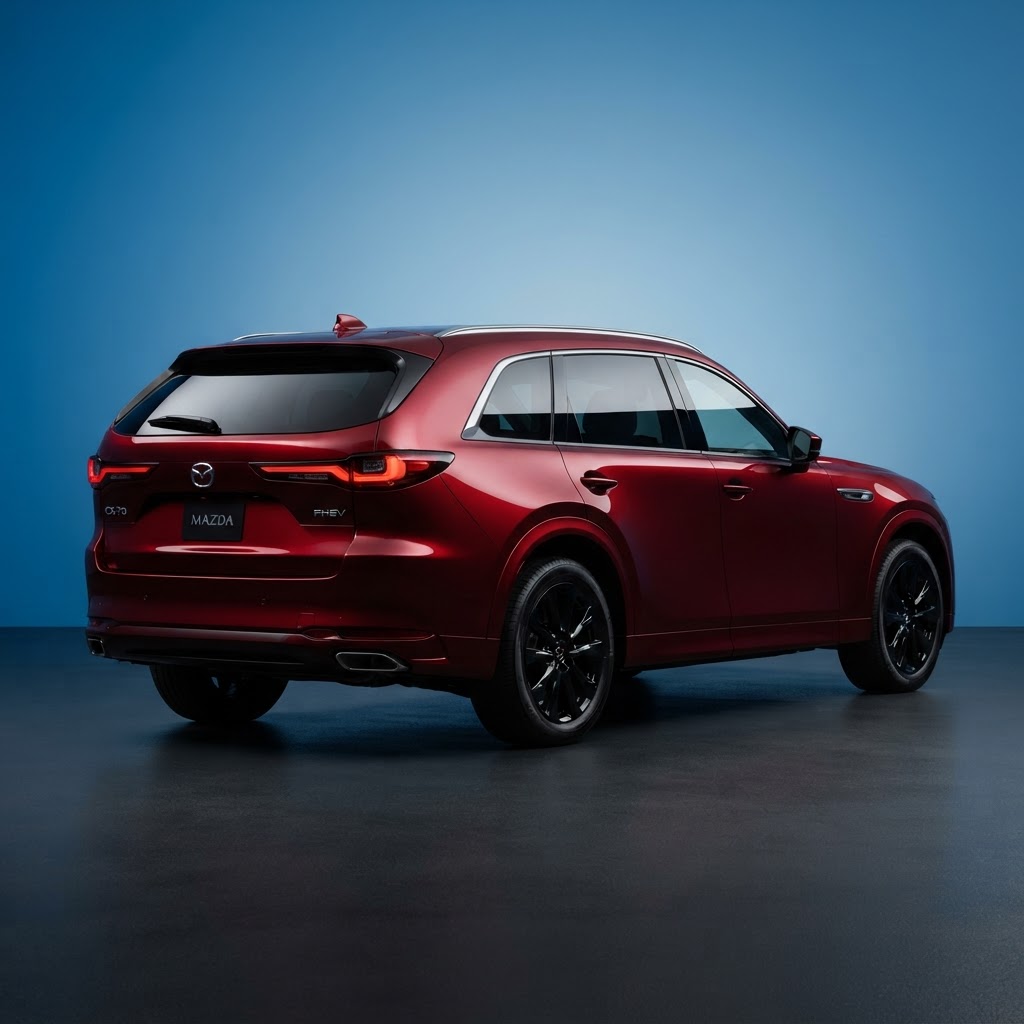
Is Your Lifestyle Ready for a Plug-In?
Before signing the paperwork, look at your parking situation. If you live in an apartment or a home without a garage, the convenience of a PHEV evaporates. You would be forced to rely on public charging networks, which often negate the cost savings of electric driving. Conversely, if you are a homeowner with a 240-volt outlet in your garage, a PHEV like the 2026 Mazda CX-70 Plug-In Hybrid becomes a powerful tool for reducing your carbon footprint and your monthly fuel spend. Consider your typical weekend as well; if you frequently tow gear or drive long distances to visit family, the PHEV’s ability to switch to gas provides a level of freedom that pure EVs simply cannot match without careful route planning. 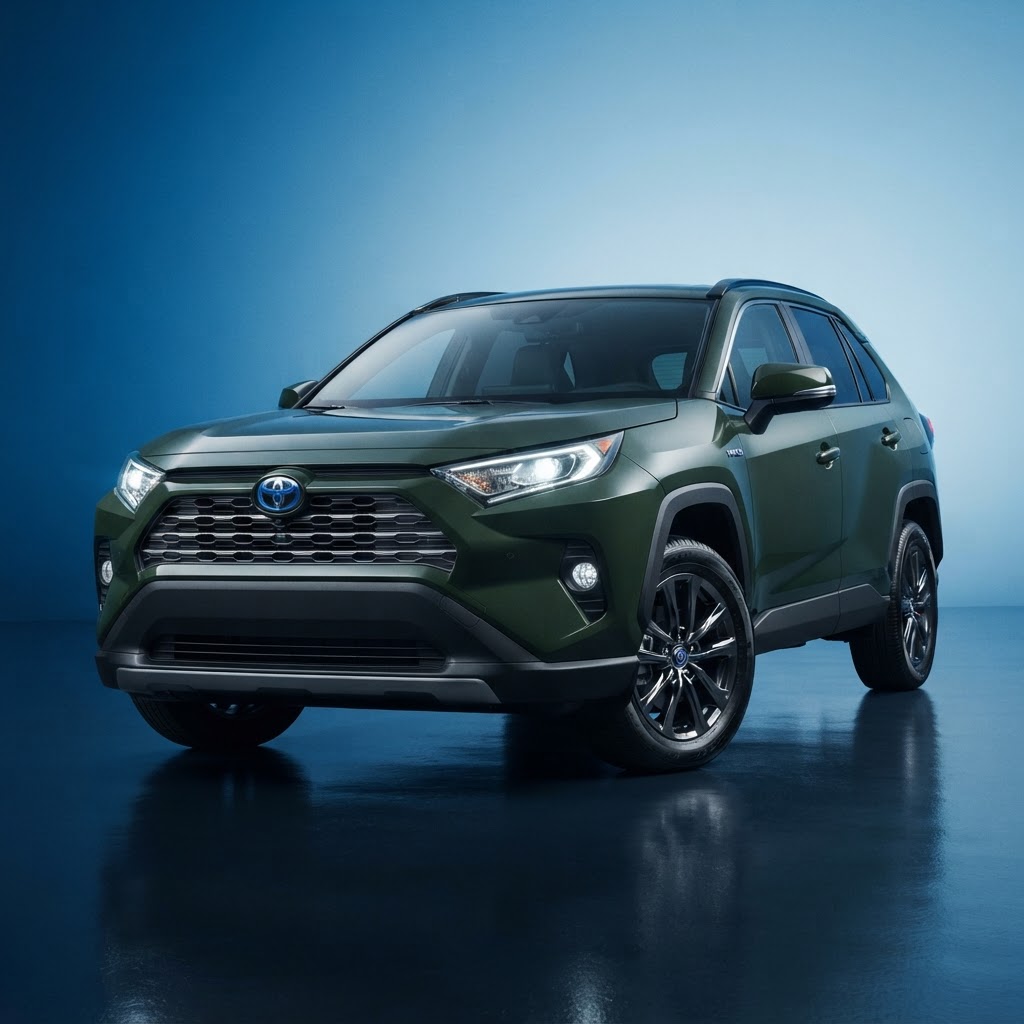
Frequently Asked Questions
Do I need a special charger for a plug-in hybrid?
Not necessarily. Most PHEVs can charge on a standard 120-volt household outlet, though it will take significantly longer—often overnight. Installing a Level 2 charger is recommended for faster, more convenient daily top-ups. #
Does a PHEV lose range in the winter?
Yes. Like all lithium-ion battery systems, PHEVs experience a drop in electric-only range during extreme cold, typically by 20% to 30%. However, because you have a gas engine, you will never be stranded by the cold. #
Is a PHEV more expensive to maintain?
Generally, no. Because the gas engine runs less frequently, you may actually find that your oil change intervals are extended. However, you should account for the potential cost of battery health management over a long ownership period of 8+ years. #
Can I use a PHEV if I never plug it in?
You can, but it is not recommended. You will be paying a premium for a vehicle that is essentially operating as a standard hybrid, and you will not see the return on investment that justifies the higher purchase price. 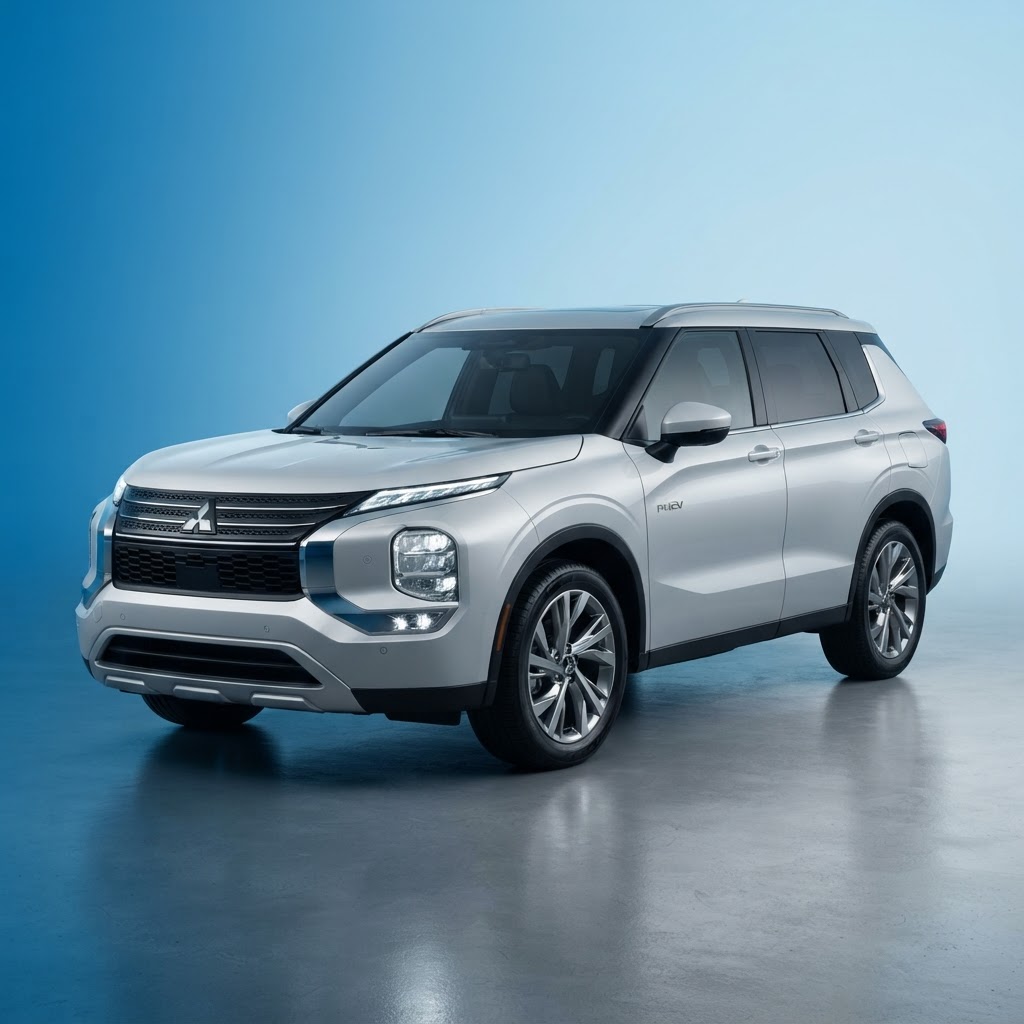
The Bottom Line For most American families in 2026, the choice is clear: if you have home charging and a short daily commute, the plug-in hybrid is the superior choice for long-term savings and flexibility.
If you lack home charging or prefer a 'set it and forget it' ownership experience, the traditional hybrid remains the gold standard for reliability and value. Always prioritize a test drive that includes both highway and city conditions to see how the powertrain transitions—your wallet will thank you for the due diligence.
More car news

How Long Do EV Batteries Last? The 2026 Honest Truth
Wondering how long your EV battery will actually last? We break down the 2026 data on battery degradation, lifespan, and how to protect your investment.

Home EV Charger Installation: The Honest 2026 Cost Guide
Planning to install a home EV charger in 2026? Discover the real costs, from hardware to electrical upgrades, and learn how to budget for your home setup.

Hybrid Battery Replacement: The Honest 2026 Cost Guide
Worried about hybrid battery replacement costs? We break down the real 2026 prices, lifespan data, and how to protect your investment for the long haul.