EV Charging Reality: What 2026 Buyers Need to Know
Confused by public EV charging? We break down the 2026 reality of charger reliability, network growth, and what you need to know before buying your next EV.

There is a quiet, electric revolution happening on the American road. Imagine pulling into a station, plugging in your vehicle, and watching the energy flow as you prepare for the next leg of a cross-country adventure. For many, the transition to an electric vehicle (EV) represents more than just a change in fuel; it is a shift toward a cleaner, more efficient future. However, as a prospective buyer in 2026, you have likely heard the whispers of doubt regarding public EV charging infrastructure. Is it reliable? Will you be stranded? At Carummah, we believe in transparency, and the truth is that while the landscape is evolving rapidly, it requires a savvy buyer to navigate it successfully. The infrastructure landscape has shifted significantly over the past year. According to recent industry data, public charging reliability is trending upward, with many U.S. states now seeing station uptime in the 90–95% range. This is a marked improvement from the frustrations of previous years. The industry is moving away from the 'broken charger' stigma, as municipalities and private networks prioritize maintenance and real-time data tracking. When you look at a 2026 model like the Hyundai Ioniq 6 or the Ford F-150 Lightning, you are buying into a network that is becoming more robust by the day. 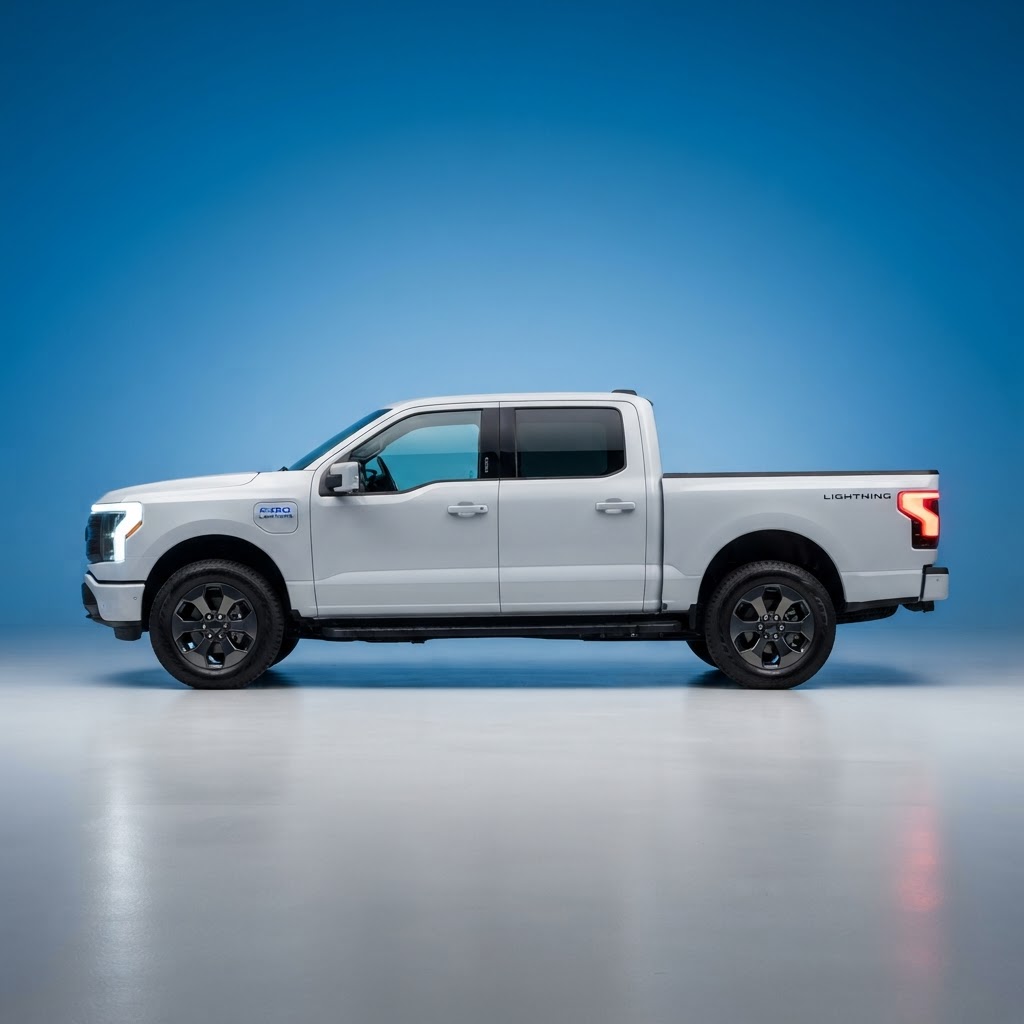
Understanding Charging Speeds and Your Needs Not all chargers are created equal, and understanding the difference between Level 2 and DC fast charging is essential for your peace of mind.
Level 2 charging is your 'overnight' solution, perfect for home installations or while you are at work. DC fast charging, however, is the backbone of long-distance travel. In 2026, the focus has shifted toward ultra-fast charging (150 kW+), which can significantly reduce your time spent at a station. For most drivers, a reliable fast-charging network capable of adding substantial range in 15 to 20 minutes is the gold standard. When shopping, check if your preferred vehicle supports the latest NACS (North American Charging Standard) or if it requires an adapter, as this will dictate your experience at many public stations. 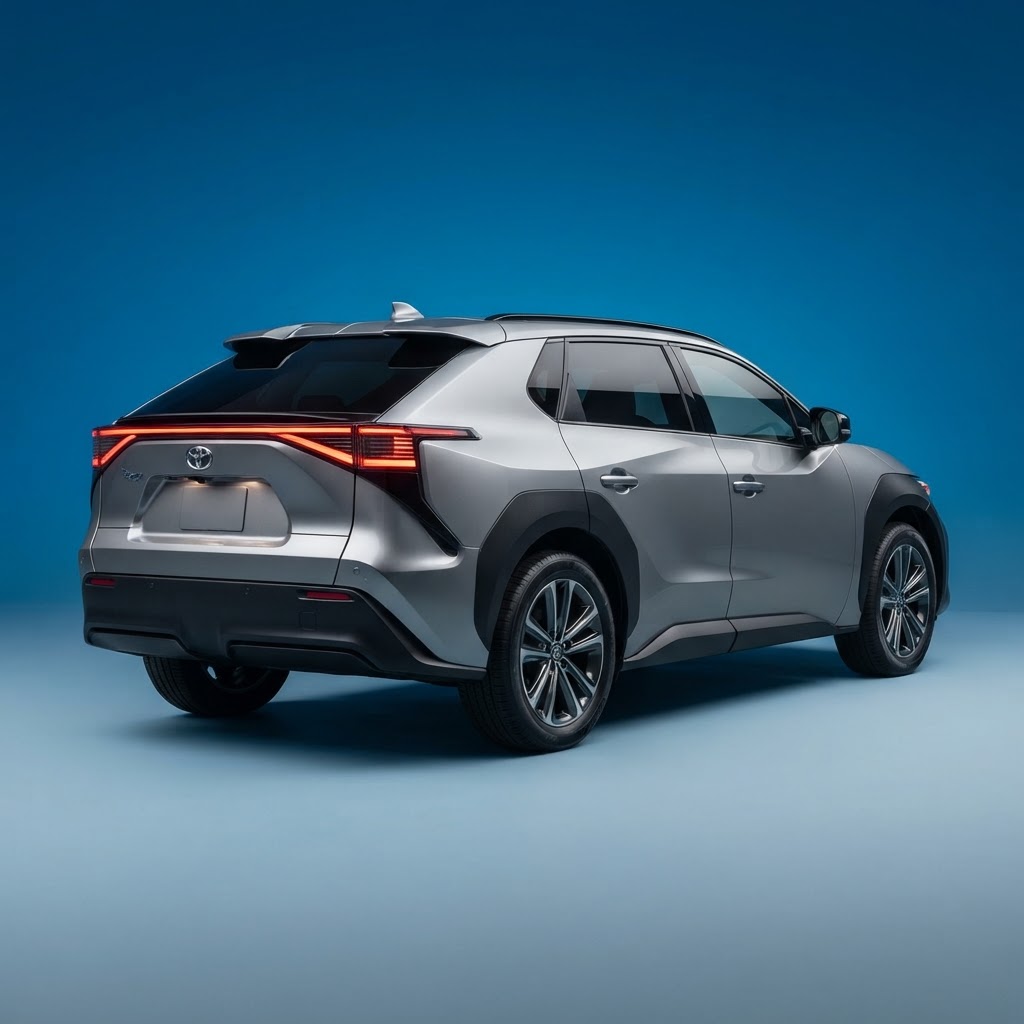
The Reliability Factor: What Data Tells Us It is easy to get caught up in horror stories about non-functional chargers, but independent data from 2026 shows a different story.
Fewer drivers are reporting failed charging attempts, and the industry is finally using independent monitoring to hold network operators accountable. When you are planning a trip, tools like PlugShare or native vehicle navigation systems are your best friends. They provide real-time status updates, helping you avoid the 'out of order' signs that once plagued the early days of EV adoption. Remember, the goal is to integrate charging into your life, not to let it dictate your schedule. 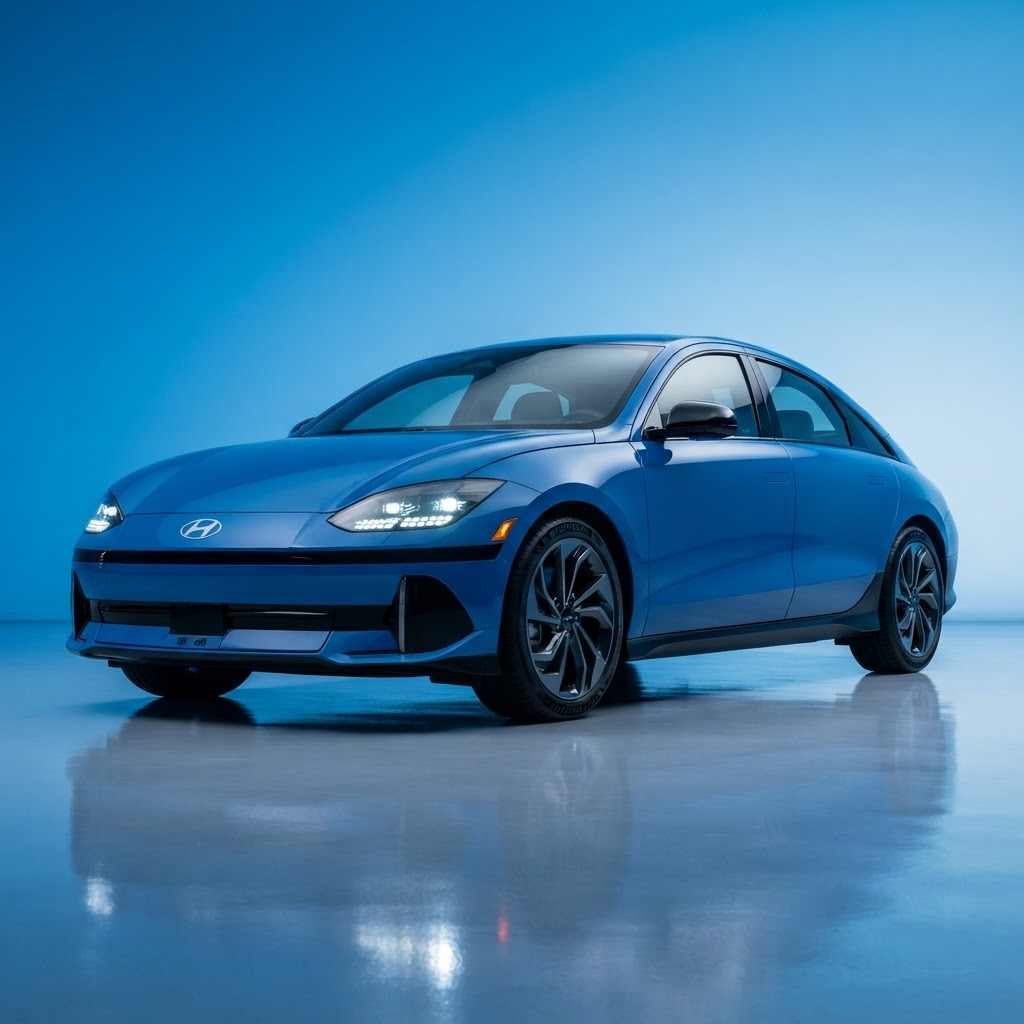
Planning for Your Lifestyle and Location Your charging strategy should be as unique as your driving habits.
If you live in a suburban home with a garage, you will do 90% of your charging at home, making public infrastructure a secondary concern. If you live in an urban apartment, your strategy will rely more heavily on public or workplace chargers. Before you sign the paperwork on that new EV, map out the chargers in your daily commute and your frequent weekend destinations. The 2026 market offers incredible variety, from the efficient Toyota bZ4X to the performance-oriented BMW i4, and each has different charging curves that affect how quickly they replenish their batteries. 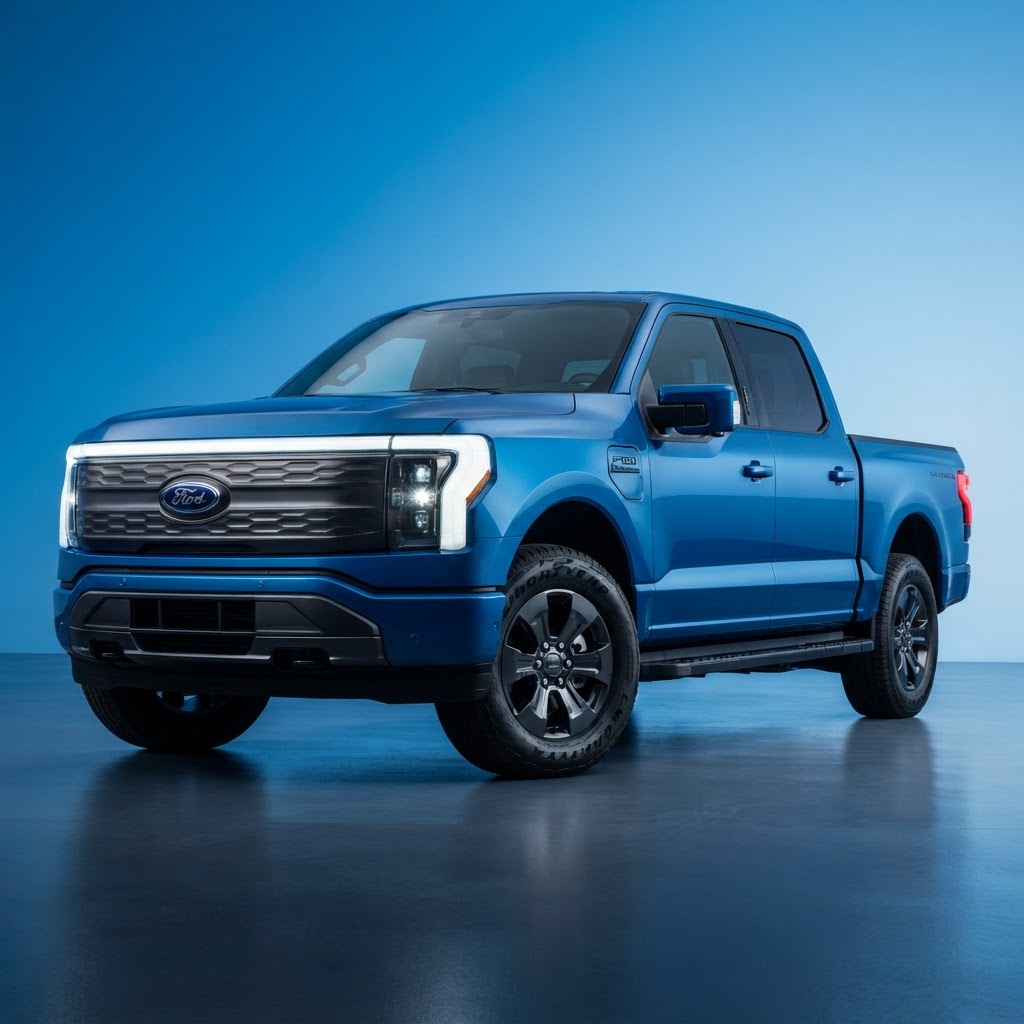
Frequently Asked Questions
How do I know if a public charger is actually working?
Most modern EV navigation systems and third-party apps now provide real-time uptime data. Always check the app before you arrive to ensure the station is active. #
Is it true that charging is getting faster?
Yes. The 2026 generation of EVs is increasingly capable of accepting higher charge rates, and the rollout of 150 kW+ ultra-fast chargers is accelerating across major highway corridors. #
Do I need to worry about different plug types?
The industry is standardizing around NACS. If you buy a 2026 model that uses a different connector, manufacturers typically provide or sell an adapter, ensuring you can access the vast majority of the public network. #
How much does public charging cost compared to gas?
While prices vary by location and network, charging at home is almost universally cheaper than gasoline. Public fast charging is more expensive, but it is intended for occasional use during long trips rather than daily refueling.
The Bottom Line The 2026 EV charging experience is vastly superior to what it was just two years ago.
While it is not yet as ubiquitous as the gas station on every corner, it is more than sufficient for the vast majority of American drivers. If you have the ability to charge at home, the transition to an EV is a no-brainer. If you rely on public charging, simply do your homework on your local network's reliability before you buy. With the right vehicle and a little bit of planning, the open road is just as accessible as it has ever been.
More car news

Is Public EV Charging Finally Reliable in 2026?
Tired of charging anxiety? We break down the 2026 state of public EV charging, reliability trends, and what you need to know before buying your next electric car.

How Long Do EV Batteries Last? The 2026 Honest Truth
Wondering how long your EV battery will actually last? We break down the 2026 data on battery degradation, lifespan, and how to protect your investment.

Plug-In Hybrid vs. Hybrid: Which 2026 Model Fits Your Life?
Confused by the choice between a hybrid and a plug-in hybrid? We break down the 2026 market to help you decide which powertrain saves you the most money.