Is ADAS Worth It? The 2026 Honest Buyer’s Guide
Confused by ADAS? We break down which advanced driver-assistance systems are worth the cost and which ones you can skip in your 2026 vehicle purchase.
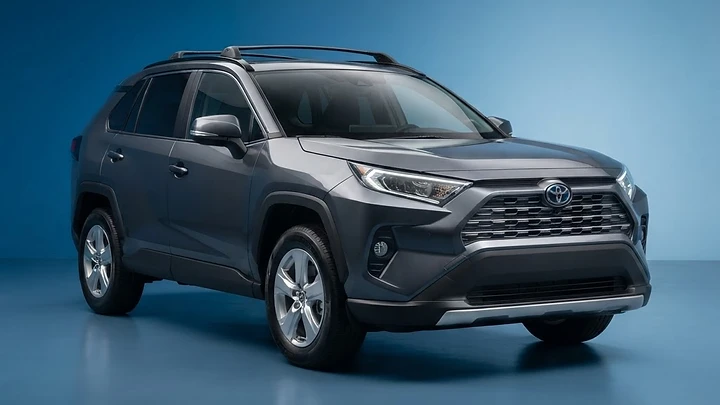
There is a quiet magic in the way a modern vehicle anticipates the road ahead. Imagine gliding down a sun-drenched highway, the engine humming a steady rhythm, while your car subtly adjusts its speed to match the flow of traffic, keeping you centered and safe without you ever feeling like you have lost control. This is the promise of Advanced Driver-Assistance Systems (ADAS). In 2026, these technologies have moved from luxury novelties to essential tools that can genuinely reduce the stress of a long commute or a family road trip. But as a buyer, navigating the alphabet soup of acronyms—AEB, LKA, BSM—can feel like a high-stakes guessing game. At Carummah, we believe in transparency, so let’s cut through the marketing jargon and look at what actually keeps you safe.
Understanding the Core ADAS Suite When you walk into a dealership, you will likely be presented with a 'Safety Package' that adds thousands to the sticker price.
Before you sign, you need to know what is actually inside. The most critical systems are those that act as a second set of eyes. Automatic Emergency Braking (AEB) is non-negotiable; it is the single most effective tool for preventing rear-end collisions. Blind-Spot Monitoring (BSM) is another essential, especially if you are looking at larger vehicles like the 2026 Toyota RAV4 or the 2026 Honda CR-V, where visibility can be compromised by thick pillars. These systems are no longer just for luxury cars; they are increasingly standard on mainstream models, saving you from paying for 'premium' bundles that include features you might never use. 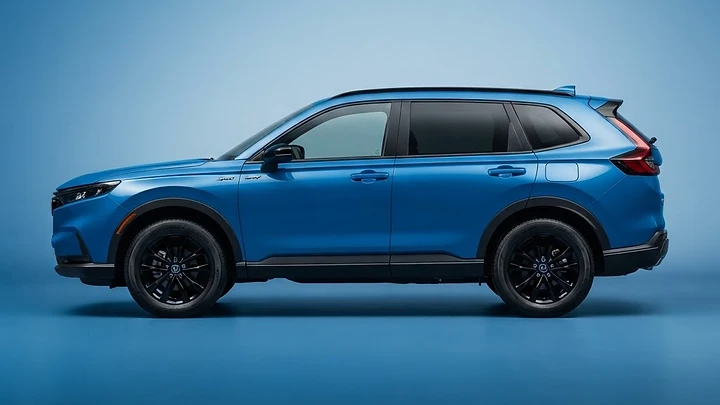
Adaptive Cruise Control: The Highway Hero If you spend more than 20 minutes a day on the highway, Adaptive Cruise Control (ACC) is a game-changer.
Unlike traditional cruise control, which forces you to constantly tap the brakes when traffic slows, ACC uses radar or cameras to maintain a set distance from the car in front of you. In 2026 models like the Kia K4, this tech has become incredibly smooth, often including 'Stop and Go' functionality that handles the frustration of bumper-to-bumper traffic for you. It doesn't make the car autonomous, but it does make the drive significantly less fatiguing. 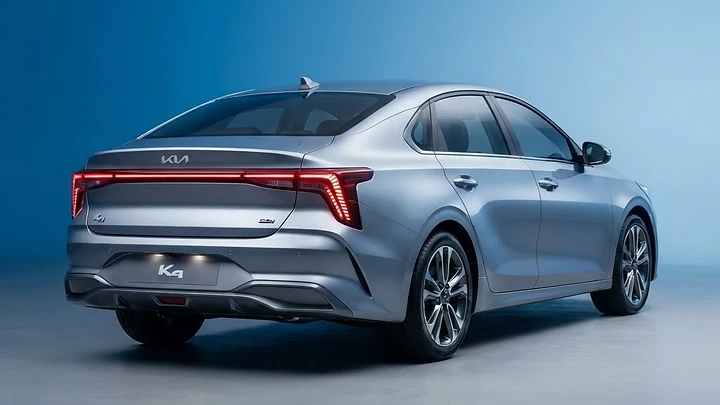

The Reality of Lane-Keeping and Steering Assist Lane-Keeping Assist (LKA) and Highway Driving Assist (HDA) are the next steps in the evolution of driver aids.
These systems use cameras to read lane markings and provide gentle steering inputs to keep you centered. While they are impressive, they are not perfect. They can struggle in heavy rain, snow, or on roads with faded paint. Think of these as 'assistants' rather than 'pilots.' They are there to nudge you back if you drift, not to steer the car while you check your phone. Always test these features during your test drive to see if the steering intervention feels natural or intrusive to your driving style. 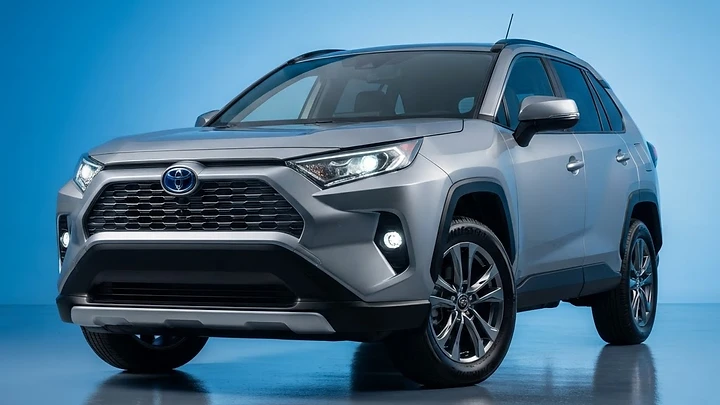

What to Skip and Where to Save Money Not every piece of tech is worth the premium.
Some manufacturers bundle 'Parking Assist' or '360-degree camera views' into expensive technology packages. While these are helpful for tight city parking, they are often 'nice-to-haves' rather than 'must-haves.' If you are on a strict budget, prioritize the safety-critical systems—AEB, BSM, and ACC—over convenience features. Remember, the goal is to buy a car that fits your life, not a car that is overloaded with expensive sensors that will cost a fortune to calibrate if they are ever damaged in a minor fender bender. 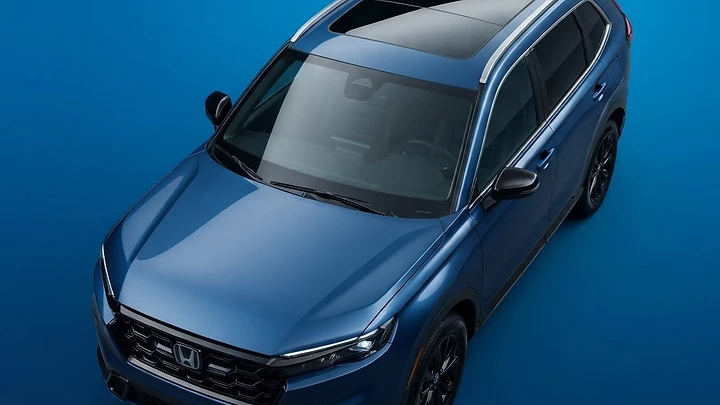

Frequently Asked Questions
Are ADAS features standard on all 2026 cars?
While many manufacturers are making them standard, some entry-level trims still require a 'Safety Package' upgrade. Always check the window sticker. #
Can I turn these systems off?
Yes, most ADAS features can be disabled through the infotainment settings, though safety-critical systems like AEB usually default to 'on' every time you start the car. #
Do these systems increase my insurance premiums?
Actually, the opposite is often true. Many insurers offer discounts for vehicles equipped with advanced safety tech because they statistically reduce the frequency and severity of accidents. #
Is Tesla's FSD the same as standard ADAS?
No. Tesla's 'Full Self-Driving' (Supervised) is a more advanced, proprietary system. Most other manufacturers use a combination of radar and camera-based ADAS that is designed for assistance, not full automation.
The Bottom Line When shopping for your next vehicle, look for the 'Safety Pick' ratings from the IIHS.
Prioritize vehicles that include AEB and BSM as standard equipment. If you commute, pay the extra for Adaptive Cruise Control—it is the one feature that will change your daily life for the better. Don't get pressured into buying a 'Tech Package' full of gimmicks; stick to the systems that provide real-world safety and comfort. Your wallet, and your peace of mind, will thank you.
The cars in this story
The real price and honest verdict on each one
Every model, side by sideMore car news

2026 Car Buying: How to Navigate High Prices and Tech
Buying a car in 2026? Discover how to navigate record-high prices, essential tech features, and shifting market trends to secure the best deal for your needs.

Software-Defined Cars: The 2026 Honest Buyer’s Guide
Are software-defined cars worth the hype? Discover how over-the-air updates and subscription features are changing the 2026 car buying experience.

Head-Up Displays: Are They Worth It in 2026?
Are head-up displays worth the upgrade in 2026? We break down the safety, tech, and real-world value of HUDs to help you decide if you need one.