Is Car Paint Protection Worth It? The 2026 Honest Guide
Considering paint protection for your new ride? We break down the real costs and benefits of PPF vs. ceramic coatings to help you protect your investment.
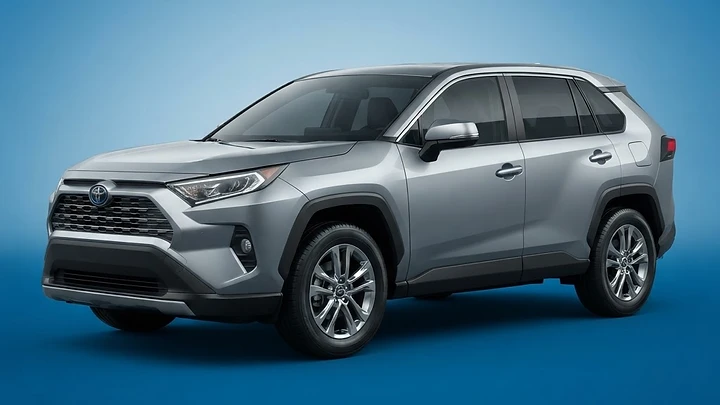
There is nothing quite like the feeling of picking up a brand-new vehicle. As you pull off the lot, the sunlight dances across the factory-fresh clear coat, and for a fleeting moment, the world feels perfect. But the open road is a harsh environment, filled with flying gravel, road salt, and UV rays that threaten to dull that showroom shine within months. As a car buyer, you are likely wondering if the expensive paint protection packages offered at the dealership—or by independent shops—are actually worth the investment. At Carummah, we believe in transparency, so let’s cut through the marketing fluff and look at the reality of keeping your car looking new in 2026.
Understanding Your Options: PPF vs.
Ceramic Coating When you start researching paint protection, you will quickly encounter two primary solutions: Paint Protection Film (PPF) and ceramic coatings. They are often confused, but they serve very different purposes. PPF, often called a 'clear bra,' is a thick, durable urethane film that acts as a physical shield. It is designed to absorb the impact of rock chips and minor scratches, effectively acting as a sacrificial layer for your vehicle's paint. In contrast, a ceramic coating is a liquid polymer that bonds to your paint at a molecular level. It provides incredible hydrophobic properties—meaning water and dirt slide right off—and offers protection against chemical stains and UV fading. However, a ceramic coating will not stop a rock from chipping your bumper. For many owners of vehicles like the 2026 Toyota RAV4 or the 2026 Honda Accord, the choice comes down to your driving habits and your budget. 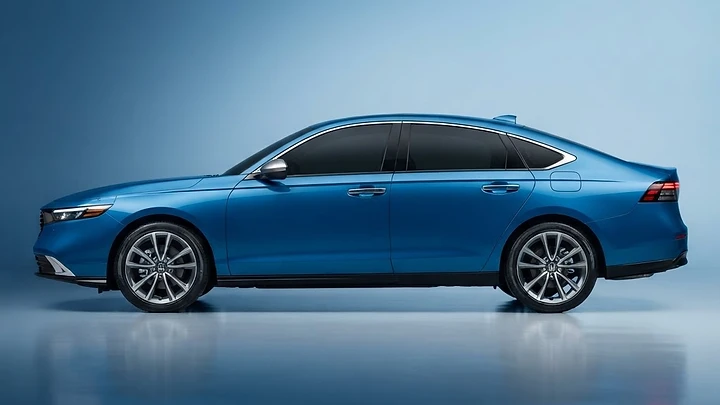
The Real Cost of Protection in 2026 In 2026, the cost of professional paint protection varies significantly based on the level of coverage you choose.
For PPF, a partial front-end package—covering the bumper, hood, and side mirrors—typically ranges from $600 to $1,500. If you want full-body coverage, expect to pay between $5,000 and $8,000. While that sounds like a steep price tag, consider that a single professional repaint of a damaged panel can easily cost between $500 and $3,000. If you drive a high-end vehicle or a daily commuter that you plan to keep for a decade, this upfront cost can be a smart way to preserve your vehicle's resale value, which can be boosted by 10% to 15% compared to a neglected exterior. 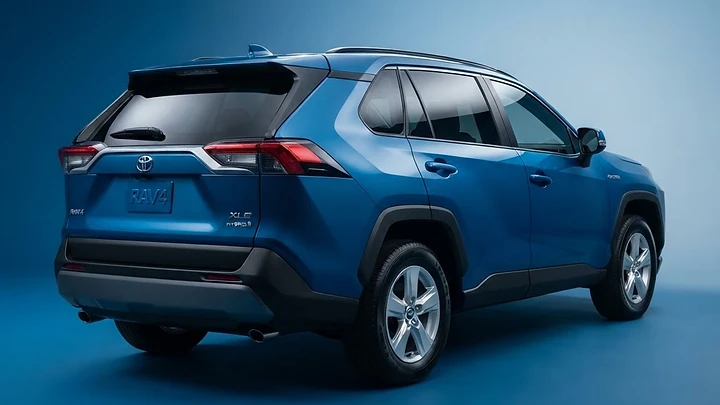

Is Ceramic Coating a Budget-Friendly Alternative?
If full-body PPF is outside your budget, a ceramic coating is a popular middle-ground. Professional ceramic coating applications generally cost between $400 and $1,500, depending on the quality of the product and the amount of paint correction required before application. Paint correction is a critical step; if your car has existing swirl marks or light scratches, they must be polished out before the coating is applied, or you will simply be sealing those imperfections under a permanent layer. For those who enjoy DIY projects, there are high-quality ceramic kits available for under $200, though they require a meticulous, dust-free environment and significant patience to apply correctly. 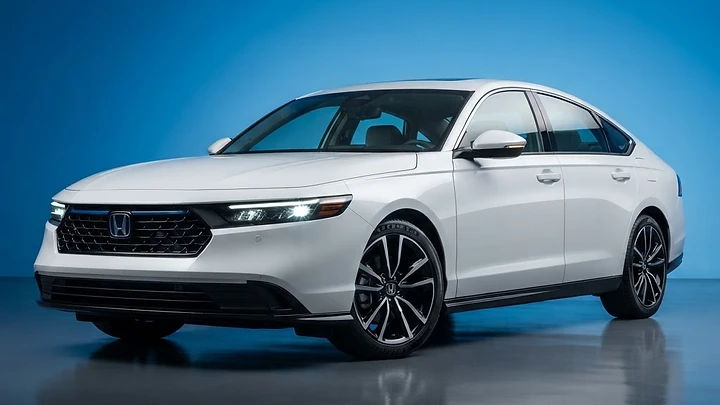

Protecting Your Investment for the Long Haul Whether you choose PPF, ceramic coating, or a combination of both, the goal is to protect your investment.
If you live in an area with harsh winters where road salt is common, or if you frequently drive on highways where debris is a constant threat, the physical barrier of PPF is almost always worth the cost. If your primary concern is ease of maintenance and keeping that 'dripping-wet' gloss, a ceramic coating is a fantastic choice. Remember, these products are not 'set it and forget it.' Even with protection, you still need to wash your car regularly to remove contaminants that can eventually degrade the protective layers. 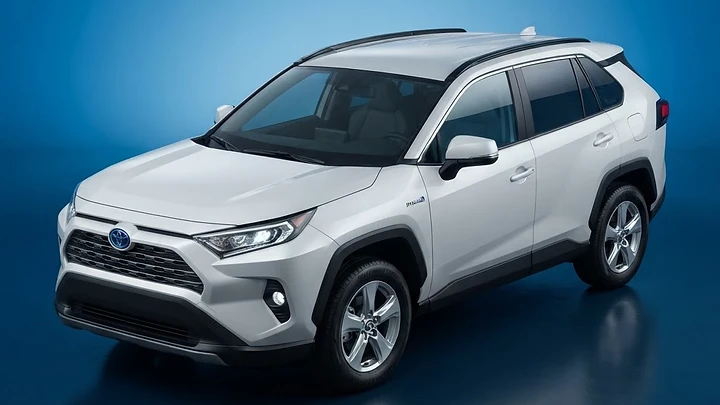

Frequently Asked Questions
Does PPF really self-heal?
Yes, many modern, high-quality PPF products feature a top layer that can 'self-heal' minor scratches and swirl marks when exposed to heat from the sun or warm water. #
Can I apply PPF myself?
While DIY kits exist, PPF is notoriously difficult to install without professional training. It requires precise cutting, heat-gun work, and a perfectly clean surface to avoid bubbles and peeling. We recommend professional installation. #
Does paint protection void my factory warranty?
No, applying a protective film or ceramic coating does not void your vehicle's factory paint warranty. However, if the installation process causes damage to the paint, that specific damage would not be covered by the manufacturer. #
How long does paint protection last?
A professional-grade ceramic coating typically lasts 2 to 5 years, while high-quality PPF can last 5 to 10 years or even longer with proper care and garage storage.
The Bottom Line If you are buying a vehicle you plan to keep for more than five years, we recommend at least a partial front-end PPF package.
It protects the most vulnerable areas from the most common types of damage—rock chips and road debris. If you want to elevate the look of your car and make washing it a breeze, add a ceramic coating on top. It is an investment in your car's future, keeping it looking as sharp as the day you drove it home.
The cars in this story
The real price and honest verdict on each one
Every model, side by sideMore car news

Car Interior Detailing: The 2026 Honest Maintenance Guide
Master car interior detailing with our 2026 guide. Learn the right order, safe products, and maintenance tips to protect your vehicle's value and comfort.

Car Maintenance Costs 2026: The Honest Buyer’s Guide
Don't let surprise repair bills ruin your budget. Discover the real 2026 car maintenance costs and how to choose a reliable vehicle that saves you money.

When to Replace Tires: The 2026 Honest Buyer’s Guide
Wondering when to replace tires? Learn the signs of wear, safety thresholds, and how to maximize your investment with this honest 2026 maintenance guide.