Is Certified Pre-Owned Worth It? The 2026 Buyer’s Guide
Considering a certified pre-owned vehicle? We break down if the extra cost is worth the peace of mind, warranty coverage, and inspection standards in 2026.
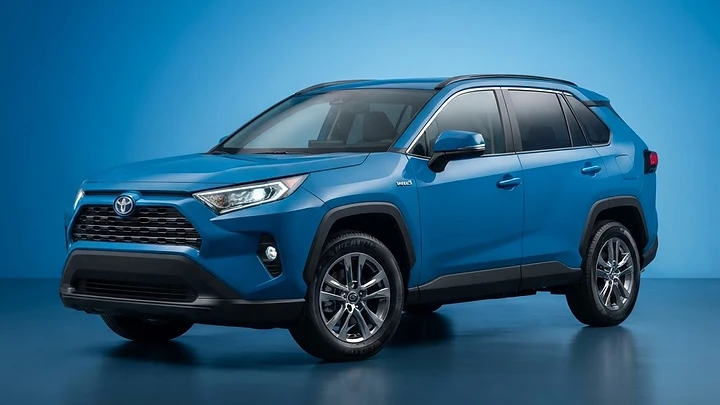
There is a specific, quiet magic to the moment you first sit in a new-to-you car. The scent of the cabin, the way the steering wheel feels under your palms, and the promise of the open road stretching out before you—it is a feeling of pure possibility. Whether you are planning a cross-country family adventure or simply need a reliable partner for your daily commute, the right vehicle is an engineering marvel that transforms your life. In 2026, with new car prices remaining high and market uncertainty lingering, many American buyers are turning to the middle ground: the Certified Pre-Owned (CPO) vehicle. But is the premium price tag of a CPO car actually worth it, or are you just paying for a fancy sticker?
Understanding the CPO Advantage In 2026, the automotive landscape is complex.
You have the raw, unvetted risk of a private-party used car, and the high-cost, full-warranty security of a brand-new model. A Certified Pre-Owned vehicle sits squarely in the middle. When you buy a CPO car, you aren't just buying a used vehicle; you are buying a manufacturer-backed promise. These cars are typically lease returns or trade-ins that have undergone a rigorous, multi-point inspection process. For example, a 2024 Toyota RAV4 or a 2025 Hyundai Tucson might enter a CPO program only after passing a strict checklist that covers everything from engine compression to the thickness of the brake pads. This isn't just a quick wash and wax; it is a systematic verification that the car meets the manufacturer's high standards for safety and reliability. 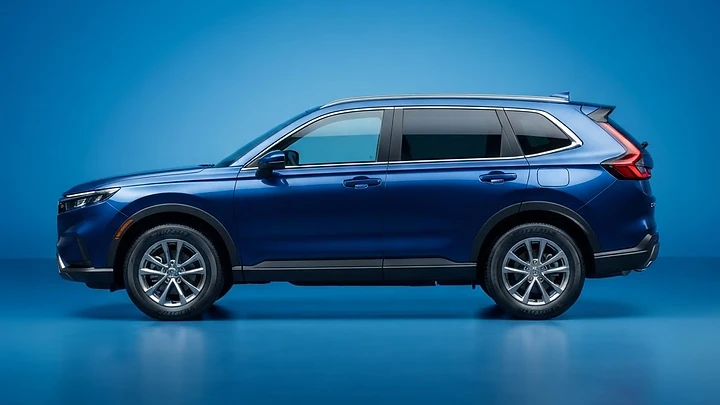
The Real Cost of Peace of Mind When you compare a CPO vehicle to a standard used car, you will notice a price difference—often ranging from $1,500 to $3,000 more for the certified version.
Why pay that extra money? The answer lies in the warranty. A standard used car purchase is often 'as-is,' meaning if the transmission fails a week after you drive off the lot, the repair bill is entirely yours. A CPO vehicle, however, comes with an extended manufacturer-backed warranty that often stretches for years or tens of thousands of miles. For a busy family, that protection is worth its weight in gold. It means you aren't just buying a car; you are buying a budget-friendly guarantee that you won't be stranded on the side of the highway during a winter storm. 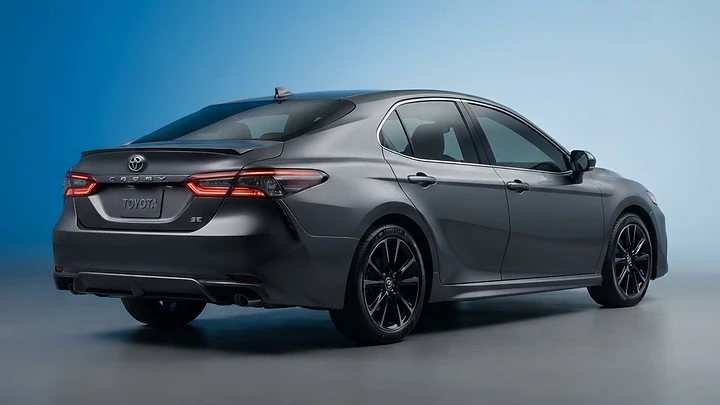

Inspection Standards: What Actually Gets Checked?
Not all inspections are created equal. A reputable CPO program, like those offered by Honda or Toyota, requires technicians to examine the vehicle's history, structural integrity, and mechanical health. They look for signs of past accidents, flood damage, or improper repairs. When you are shopping, always ask to see the inspection report. If a dealer is hesitant to show you the checklist or the vehicle history report, that is a red flag. You want to see that they checked the fluids, the suspension components, and the electronic systems. Even with a CPO vehicle, it is never a bad idea to have an independent mechanic perform a pre-purchase inspection. For $150, you get an unbiased second opinion that can save you thousands in the long run. 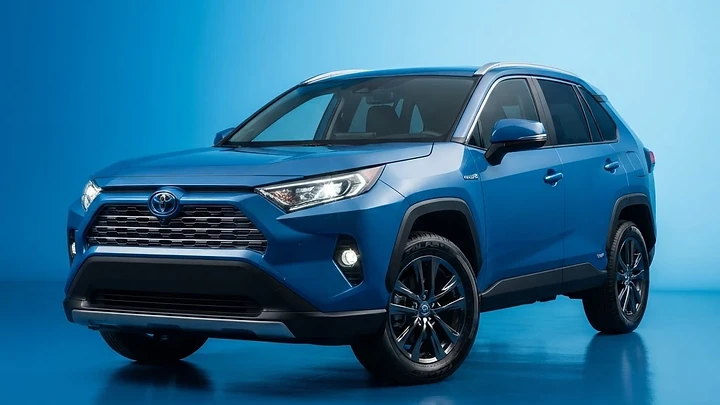

CPO vs.
New vs. Used: Making the Right Choice If you are looking for the absolute lowest price, a standard used car from a private seller is your best bet, provided you have the time and knowledge to inspect it thoroughly. If you want the latest tech and a full factory warranty, new is the way to go. But for the vast majority of buyers, CPO offers the best balance of value and risk mitigation. In 2026, we are seeing more buyers opt for CPO models like the Honda CR-V or the Toyota Camry because they offer the reliability of a newer car without the steep depreciation hit that happens the moment you drive a brand-new vehicle off the lot. 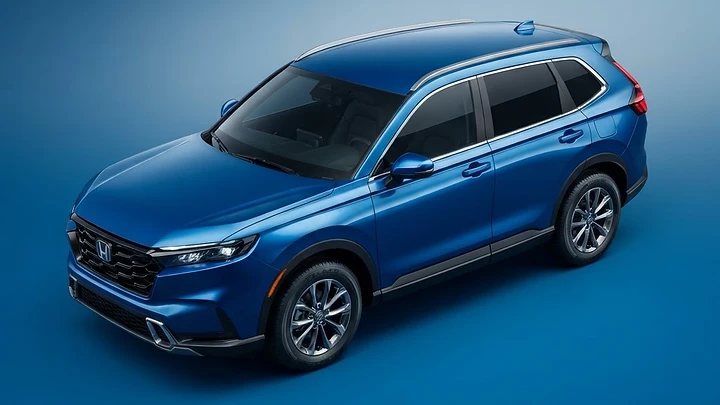

Frequently Asked Questions
Is a CPO car always better than a regular used car?
Not necessarily. A well-maintained, one-owner used car with full service records can be just as reliable as a CPO vehicle. CPO is about the warranty and the manufacturer's stamp of approval, which provides extra security for those who don't want to manage the inspection process themselves. #
Does the CPO warranty cover everything?
No. CPO warranties are usually 'limited' warranties. They cover major powertrain components and some electrical systems, but they rarely cover wear-and-tear items like tires, brake pads, or wiper blades. Always read the fine print. #
Can I negotiate the price of a CPO vehicle?
Yes. While the certification process adds value, the price is still negotiable. Use the market value of similar non-certified models as your baseline, and remember that the dealer has some flexibility, especially if the car has been on the lot for more than 30 days. #
Should I still get a pre-purchase inspection on a CPO car?
Absolutely. Even the best factory programs can miss things. An independent mechanic can provide a fresh set of eyes, ensuring that the car is truly in the condition the dealer claims it is.
The Bottom Line If you value peace of mind and want to avoid the potential 'hidden' costs of a used car, a Certified Pre-Owned vehicle is absolutely worth the extra investment.
It bridges the gap between the affordability of a used car and the security of a new one. For 2026, focus on finding a CPO model with a clean history report, a transparent inspection checklist, and a warranty that fits your driving habits. Buy with confidence, but always verify the details before you sign.
The cars in this story
The real price and honest verdict on each one
- 2026 Honda CR-VCompact SUV · from $30,920
- 2026 Toyota RAV4Compact SUV · from $31,900
- 2026 Toyota CamryMid-Size Sedan · from $28,850
- 2026 Hyundai TucsonCompact SUV · from $29,450
More car news

Best Time to Trade In a Car: The 2026 Honest Buyer’s Guide
Wondering when to trade in your car? Discover the optimal timing, market trends, and financial strategies to maximize your vehicle's value in 2026.

Smart Car Buying: Navigating the 2026 Market With Confidence
Master the 2026 car buying market with our honest guide. Learn how to secure financing, avoid hidden fees, and find the right vehicle for your budget today.

Paint Protection Film: Is PPF Worth It in 2026?
Considering paint protection film for your new 2026 vehicle? We break down the costs, benefits, and whether PPF is truly worth the investment for your car.