Is Paint Protection Film Worth It for Your 2026 Car?
Considering paint protection film for your new 2026 vehicle? Discover if PPF is a smart investment for resale value and long-term exterior maintenance.
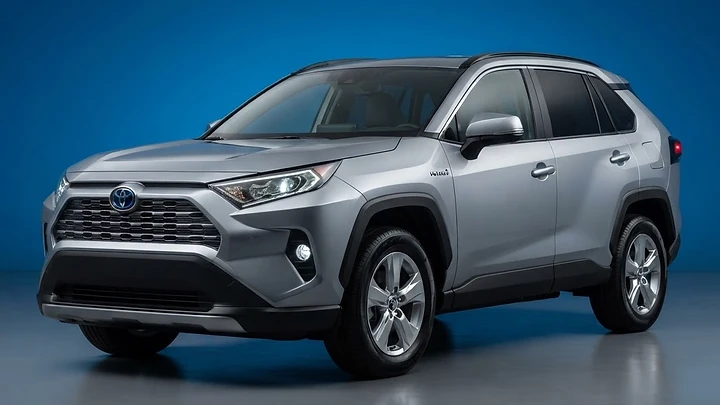
There is something undeniably magical about the first time you walk toward your new car in the driveway. The way the morning light dances across the factory-fresh clear coat, the crisp lines of the bodywork, and the promise of thousands of miles of adventure ahead—it is a moment of pure automotive wonder. Yet, as any seasoned driver knows, the open road is not always kind. From the relentless barrage of highway gravel to the subtle, swirling ghosts of improper washing, your vehicle’s exterior faces a constant battle against the elements. In 2026, protecting that showroom shine has evolved from a luxury indulgence into a strategic ownership decision. Paint Protection Film (PPF) has moved beyond the realm of supercars, becoming a practical tool for everyday drivers who want to preserve their investment and keep their vehicle looking pristine for years to come.
Why PPF Is Becoming a 2026 Ownership Essential As vehicle prices continue to climb, the financial logic of protecting your car’s exterior has never been clearer.
Recent industry data suggests that applying high-quality PPF to a new vehicle can increase its resale value by up to 15%, providing a tangible return on your initial investment. Unlike traditional wax or even modern ceramic coatings, which primarily offer chemical resistance and gloss, PPF acts as a physical shield. It is a durable, transparent urethane layer that absorbs the impact of road debris, preventing the rock chips and deep scratches that inevitably degrade a car's appearance. For families driving a 2026 Toyota RAV4 or professionals commuting in a 2026 BMW 5 Series, this means the difference between a trade-in that looks tired and one that commands top-tier market value. 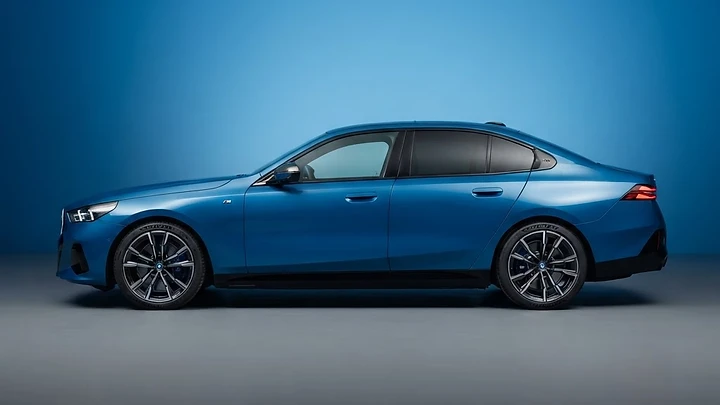
Understanding the Technology: Self-Healing and Durability The most striking advancement in 2026 paint protection technology is the rise of self-healing properties.
Modern films are engineered with elastomeric polymers that allow minor surface scratches to vanish when exposed to heat—whether from the sun or a warm water rinse. This isn't just a gimmick; it fundamentally changes how you maintain your vehicle. Instead of worrying about every stray branch or parking lot mishap, you have a resilient barrier that keeps your car’s finish looking factory-new. When choosing a film, look for options with 5-to-10-year warranties. These premium products offer superior UV resistance, ensuring that your paint doesn't fade or yellow over time, even under the harsh American sun. 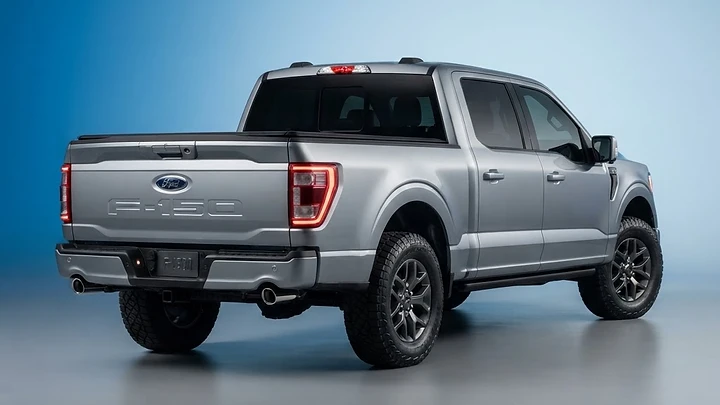

Strategic Coverage: Full vs.
Partial Protection You do not necessarily need to wrap your entire vehicle to reap the benefits of PPF. Many owners opt for a "full front" package, which covers the most vulnerable areas: the front bumper, hood, fenders, and side mirrors. This targeted approach protects against the vast majority of road debris while keeping costs manageable. If you live in an area with heavy road salt or frequent construction, you might consider extending coverage to the rocker panels and rear bumper. The goal is to align your protection strategy with your specific driving habits. Whether you are piloting a 2026 Ford F-150 through rugged terrain or navigating urban streets, a tailored PPF installation provides peace of mind without unnecessary expense. 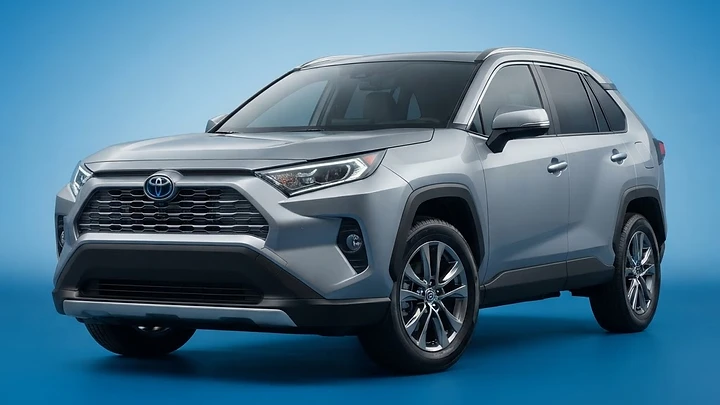

Maintenance: Keeping Your Shield in Top Shape One of the most common misconceptions is that PPF makes a car "maintenance-free." While it certainly makes cleaning easier, your film still requires care to maintain its hydrophobic properties and clarity. Stick to pH-neutral car soaps and avoid harsh, abrasive detergents that can degrade the film’s surface over time. Regular washing is essential to remove environmental contaminants like bird droppings or tree sap, which, if left too long, can etch into the film just as they would into clear coat. By adopting a consistent, gentle cleaning routine, you ensure that your protective layer remains invisible and effective for the duration of its lifespan. 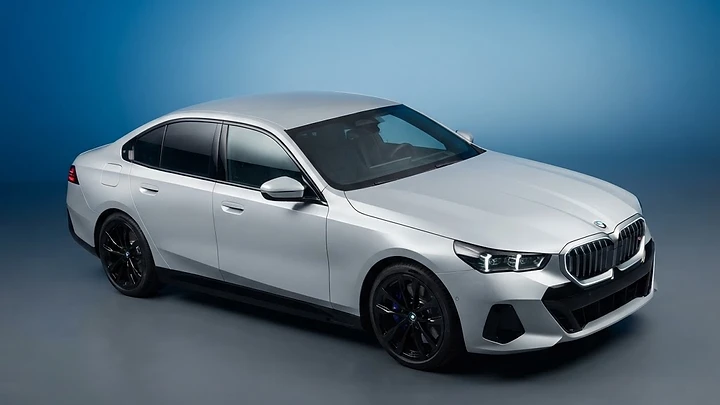

Frequently Asked Questions
Is PPF better than ceramic coating?
They serve different purposes. Ceramic coating provides a chemical bond that enhances gloss and makes the car easier to clean, but it offers minimal protection against physical impacts like rock chips. PPF is a physical barrier that protects against chips and scratches. Many owners choose to layer them, applying PPF for protection and ceramic coating on top for ease of maintenance. #
Can I apply PPF myself?
While DIY kits exist, professional installation is highly recommended. Applying PPF requires specialized tools, heat guns, and a dust-free environment to ensure a seamless finish without bubbles or lifting edges. A professional install ensures the film is properly stretched and tucked for a truly invisible look. #
Does PPF affect the car's paint if I remove it later?
When installed by a professional using high-quality film, PPF is designed to be removed without damaging the underlying factory paint. In fact, removing the film after several years often reveals paint that looks as fresh as the day it was applied, as it has been shielded from UV rays and road debris. #
How much should I expect to pay for a 2026 vehicle?
Prices vary based on the vehicle size and the extent of coverage. A full front-end package typically ranges from $1,200 to $2,500, while a full-body wrap can cost $5,000 or more. Always request a quote from a certified installer who uses reputable, name-brand films.
The Bottom Line For the average American car buyer in 2026, paint protection film is a smart, proactive investment.
If you plan to keep your vehicle for more than three years or want to maximize your trade-in value, the cost of a front-end PPF package is easily justified by the preservation of your car's exterior. It transforms the ownership experience, allowing you to focus on the joy of the drive rather than the anxiety of every road hazard. Choose a reputable installer, select a high-quality self-healing film, and enjoy the confidence that comes with a perfectly protected ride.
The cars in this story
The real price and honest verdict on each one
- 2026 BMW 5 SeriesMid-Size Sedan · from $59,375
- 2026 Ford F-150Full-Size Pickup · from $39,330
- 2026 Toyota RAV4Compact SUV · from $31,900
- 2026 GMC TerrainSUV · from $31,500
More car news

Car Interior Detailing: The 2026 Honest Maintenance Guide
Master car interior detailing with our 2026 guide. Learn the right order, safe products, and maintenance tips to protect your vehicle's value and comfort.

Is Ceramic Coating Worth It? The 2026 Honest Buyer’s Guide
Considering ceramic coating for your car? We break down the real-world benefits, costs, and whether it’s actually worth the investment for your vehicle.

Car Maintenance Costs 2026: The Honest Buyer’s Guide
Don't let surprise repair bills ruin your budget. Discover the real 2026 car maintenance costs and how to choose a reliable vehicle that saves you money.