Mastering Fuel Economy: The 2026 Smart Buyer’s Guide
Unlock the secrets to superior fuel economy in 2026. Learn how to choose the most efficient vehicles and save thousands at the pump with our honest guide.
There is a profound, almost spiritual connection between a driver and the open road, a feeling of limitless possibility that begins the moment you turn the ignition. Yet, in 2026, that sense of wonder is often tempered by the practical reality of rising fuel costs and the complex landscape of modern automotive engineering. Achieving optimal fuel economy is no longer just about saving a few dollars; it is about reclaiming your freedom to explore without the constant anxiety of the fuel gauge. Whether you are navigating the dense, stop-and-go traffic of a bustling city or embarking on a cross-country family adventure, understanding how to maximize your vehicle's efficiency is the ultimate superpower for the modern American car buyer.
The Science of Efficiency: Why MPG Matters More Than Ever In 2026, the average new gas vehicle achieves approximately 24 MPG, but the gap between the best and worst performers is wider than ever.
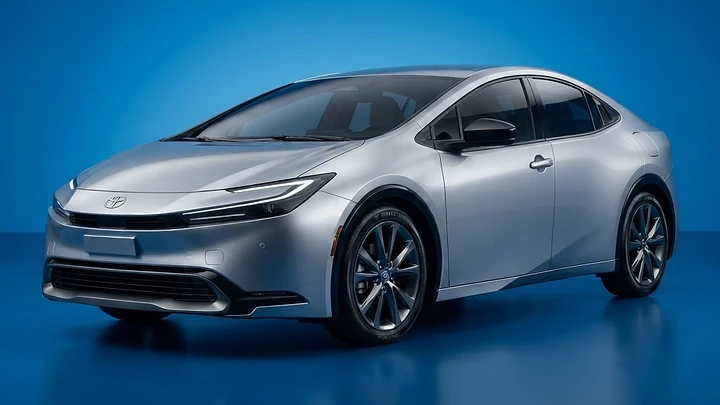
When you prioritize fuel economy, you are not just choosing a number on a window sticker; you are investing in a machine designed to do more with less. Modern hybrids, like the 2026 Toyota Prius, have pushed the boundaries of what we thought possible, reaching an EPA-estimated 57 MPG combined. This isn't just engineering; it is a masterclass in efficiency that allows you to travel further, spend less, and reduce your environmental footprint simultaneously. 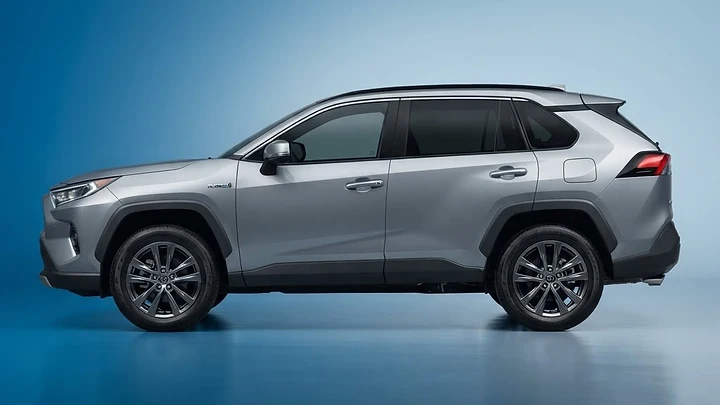
Decoding the 2026 Market: Hybrids vs.
Gas-Only Efficiency When shopping for your next vehicle, the choice between a traditional internal combustion engine and a hybrid powertrain is the most significant decision you will make. While gas-only models like the Honda Civic Sedan LX offer a respectable 36 MPG combined, hybrids like the Kia Niro—which boasts an impressive 53 MPG—change the math entirely. For the average driver covering 15,000 miles a year, the difference in annual fuel costs can exceed $700. Transparency is key here: look beyond the marketing hype and consult the official EPA fuel economy data to see how these vehicles perform in real-world conditions. 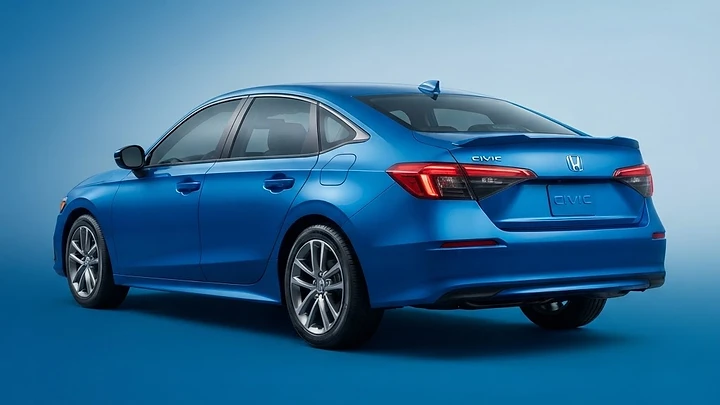

SUV Efficiency: Can You Have Space and Savings?
For many American families, the SUV is non-negotiable, but the days of sacrificing fuel economy for cargo space are long gone. The 2026 market is filled with crossovers that sip fuel while providing ample room for gear and passengers. The Toyota RAV4, for instance, delivers a stellar 43 MPG combined, proving that you don't need to downsize to save money. When evaluating these vehicles, consider your specific driving habits; if you spend most of your time in urban environments, a hybrid SUV will pay for itself in fuel savings much faster than you might expect. 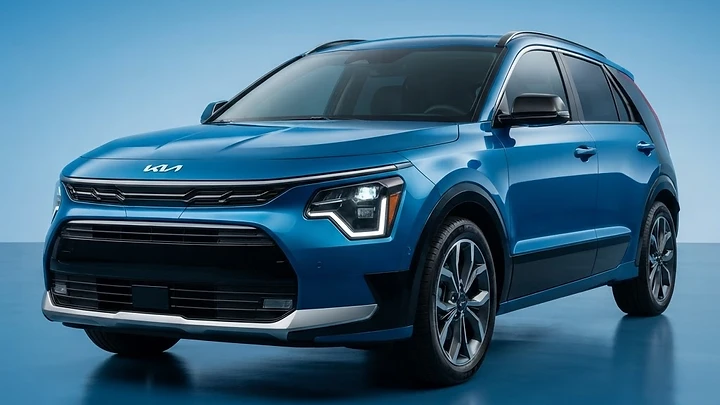

Practical Habits to Boost Your Real-World MPG Even the most efficient vehicle can be hampered by poor driving habits.
To truly master your fuel economy, consider the "soft touch" approach: accelerating gently, maintaining steady speeds on the highway, and ensuring your tires are properly inflated. Small, consistent adjustments to your driving style can improve your fuel efficiency by as much as 10-15%. Furthermore, regular maintenance—such as timely oil changes and air filter replacements—ensures your engine operates at its peak potential, keeping your long-term ownership costs low and your vehicle's performance high. 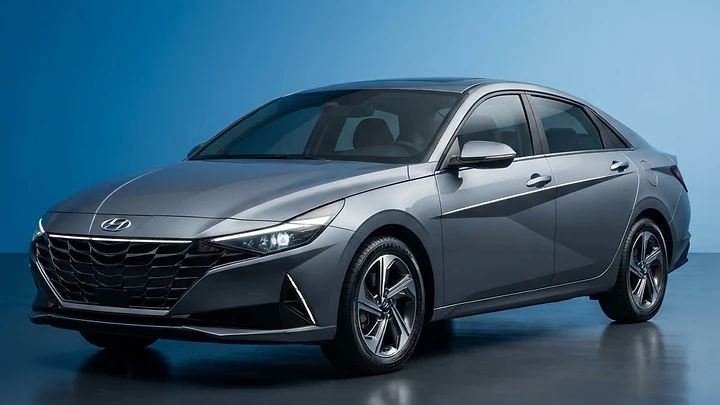

Frequently Asked Questions
What is considered good fuel economy for a 2026 vehicle?
Anything above the 24 MPG average for new gas vehicles is a solid start, but if you are looking for true efficiency, aim for 40+ MPG, which is easily achievable with modern hybrid technology. #
Does driving style really affect my fuel economy?
Yes, significantly. Aggressive acceleration and high-speed driving force your engine to work harder, burning more fuel. Smooth, predictable driving is the most effective way to improve your MPG. #
Are hybrid vehicles more expensive to maintain?
Generally, no. While the initial purchase price may be slightly higher, hybrids often have lower long-term maintenance costs because the regenerative braking system reduces wear on traditional brake components. #
Should I choose a hybrid or a gas-only car?
If you do a lot of city driving, a hybrid is almost always the better financial choice. If you primarily drive long distances on the highway, a highly efficient gas-only sedan may offer a better balance of upfront cost and fuel savings.
The Bottom Line Choosing the right vehicle in 2026 requires a balance of heart and head.
We recommend prioritizing vehicles that align with your daily driving patterns—if you are a city commuter, the 2026 Toyota Prius remains the gold standard for efficiency. For families needing more utility, the 2026 Toyota RAV4 Hybrid offers the perfect blend of space and fuel-sipping performance. Remember, the best car is one that fits your budget today and keeps your wallet happy for years to come.
The cars in this story
The real price and honest verdict on each one
- 2026 Toyota RAV4Compact SUV · from $31,900
- 2026 Kia NiroCompact SUV · from $26,990
- 2026 Toyota PriusCompact Sedan · from $28,550
- 2026 Hyundai ElantraCompact Sedan · from $22,625
More car news

2026 Fuel Economy: The Honest Guide to Real-World Savings
Tired of gas station sticker shock? Discover the most fuel-efficient 2026 vehicles and learn how to maximize your real-world MPG without the dealership hype.

Mastering Fuel Economy: The 2026 Honest Efficiency Guide
Stop overpaying at the pump. Discover how 2026 driving habits, maintenance, and vehicle choices can slash your fuel costs and maximize your real-world MPG.

Best Gas Mileage Cars 2026: The Honest Efficiency Guide
Searching for the best gas mileage cars in 2026? We break down the most efficient non-hybrid and hybrid models to help you save money at the pump today.