Mastering Tire Care: The 2026 Owner’s Guide to Safety
Tires are your car's only contact with the road. Learn how to maintain them for better fuel economy, safety, and long-term value in this 2026 owner's guide.
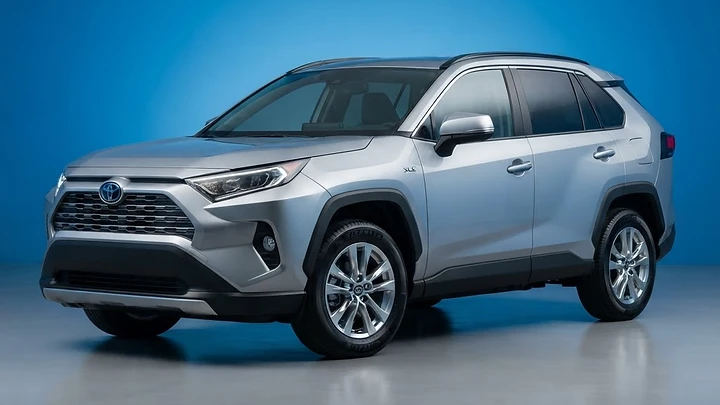
There is a profound, almost spiritual connection between a driver and the open road, a bond mediated entirely by four small patches of rubber no larger than a human hand. When you accelerate onto a highway or navigate a rain-slicked mountain pass, your safety, your fuel efficiency, and your vehicle's longevity depend on the health of your tires. As we move through 2026, understanding how to properly maintain these engineering marvels is the single most effective way to protect your investment and ensure your family arrives safely at every destination. Whether you are driving a high-performance sedan or a rugged family SUV, mastering tire care is a fundamental skill that transforms you from a passive owner into a confident guardian of your vehicle.
Why Tire Pressure Is Your Best Financial Asset Many drivers view tire pressure as a chore, but it is actually a powerful tool for financial and mechanical health.
When your tires are underinflated, they create excessive friction, forcing your engine to work harder and burning through fuel at an alarming rate. Conversely, overinflated tires can lead to a harsh, jarring ride and uneven wear that forces you to replace expensive rubber years ahead of schedule. For a 2026 Toyota RAV4 or a Ford F-150, the recommended PSI is not a suggestion; it is a precise engineering specification. Always check your pressure when the tires are 'cold'—meaning the vehicle has been parked for at least three hours. Never rely on the maximum PSI printed on the tire sidewall, which is a safety limit, not a performance target. Instead, look for the sticker on your driver’s side door jamb, which provides the exact pressure required for your specific vehicle's weight and handling characteristics. 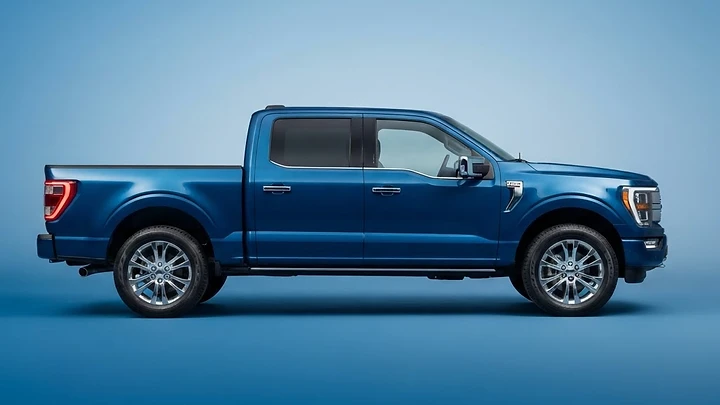
The Art of Tread Depth and Seasonal Safety Your tires are constantly communicating with the road surface, and their tread pattern is the language they use to maintain grip.
As tread wears down, your vehicle’s ability to channel water away—preventing hydroplaning—diminishes significantly. While the legal minimum in many states is 2/32 of an inch, most automotive experts in 2026 recommend replacing tires once they reach 4/32 of an inch to ensure optimal stopping power. You can easily check this with a dedicated tread depth gauge or the classic 'penny test.' If you live in regions with harsh winters, remember that all-season tires are a compromise; dedicated winter tires offer specialized rubber compounds that remain flexible in freezing temperatures, providing a level of safety that all-season tires simply cannot match. 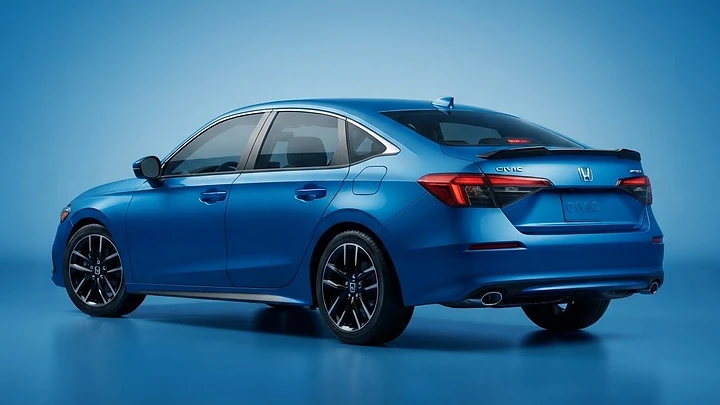

Rotation: The Secret to Longevity Even with perfect inflation, tires wear unevenly due to the different forces applied to the front and rear axles.
Front tires, especially on front-wheel-drive vehicles like the Honda Civic, handle the majority of steering and braking stress, leading to faster shoulder wear. By rotating your tires every 6,000 to 8,000 miles, you distribute this wear evenly across all four corners. This simple, low-cost maintenance habit can extend the life of your tires by thousands of miles, effectively delaying the need for a costly full set replacement. Many dealerships and independent shops now offer complimentary rotations with oil changes, making this one of the most accessible ways to protect your vehicle's long-term value. 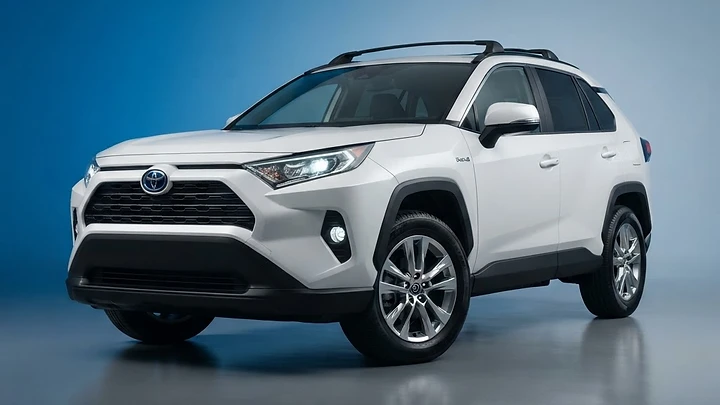

Frequently Asked Questions Q: How often should I check my tire pressure?
A: You should check your tire pressure at least once a month and before any long road trip. Tires naturally lose 1–2 PSI every month, and temperature fluctuations can cause significant pressure changes. Q: Why does my tire pressure light stay on after I add air? A: Most modern vehicles require you to drive for a few miles after adjusting the pressure to allow the sensors to recalibrate and turn off the warning light. If it continues to blink, you may have a faulty sensor. Q: Is it okay to replace just one tire? A: Generally, no. It is best to replace tires in pairs or as a full set of four to ensure balanced handling and traction. Mixing new and worn tires can compromise your vehicle's stability, especially in emergency maneuvers. Q: What is the best way to store seasonal tires? A: Store them in a cool, dry, and dark place, preferably in airtight plastic bags to prevent the rubber from drying out and cracking over time. 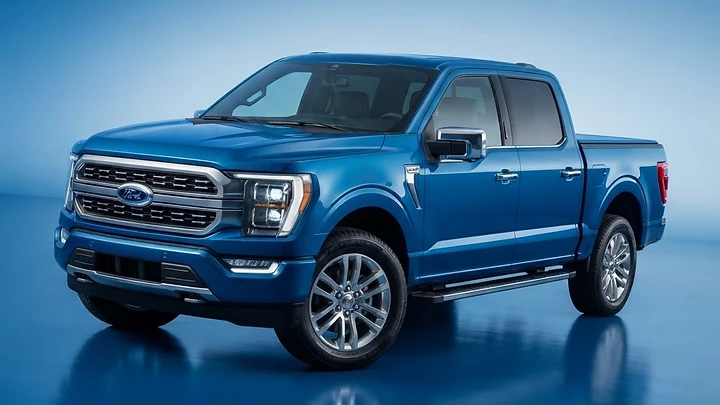

The Bottom Line Your tires are the foundation of your driving experience.
By committing to a monthly check of your tire pressure, monitoring tread depth, and keeping up with regular rotations, you are doing more than just maintaining a machine—you are ensuring that every mile you drive is as safe and efficient as possible. Don't wait for a warning light to appear on your dashboard. Take control of your vehicle's health today, and enjoy the peace of mind that comes with knowing your car is ready for whatever the road ahead brings.
The cars in this story
The real price and honest verdict on each one
- 2026 Ford F-150Full-Size Pickup · from $39,330
- 2026 Toyota RAV4Compact SUV · from $31,900
- 2026 Lucid AirLuxury Electric Sedan · from $70,900
- 2026 GMC TerrainSUV · from $31,500
More car news


Car Interior Detailing: The 2026 Honest Maintenance Guide
Master car interior detailing with our 2026 guide. Learn the right order, safe products, and maintenance tips to protect your vehicle's value and comfort.


Is Ceramic Coating Worth It? The 2026 Honest Buyer’s Guide
Considering ceramic coating for your car? We break down the real-world benefits, costs, and whether it’s actually worth the investment for your vehicle.


Car Maintenance Costs 2026: The Honest Buyer’s Guide
Don't let surprise repair bills ruin your budget. Discover the real 2026 car maintenance costs and how to choose a reliable vehicle that saves you money.