OTA Updates: Is Your 2026 Car Getting Smarter or Riskier?
Are over-the-air (OTA) updates a game-changer or a headache? We break down how 2026 vehicle software impacts your ownership, safety, and long-term value.
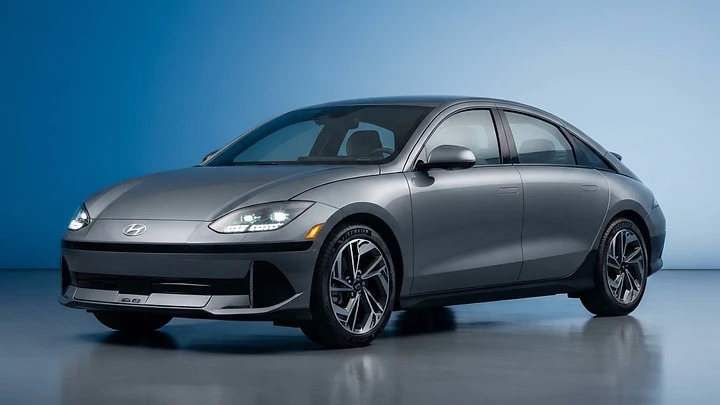
Imagine waking up on a crisp Tuesday morning, walking to your driveway, and finding that your car—the same one you drove yesterday—has somehow learned a new trick. Perhaps the navigation is snappier, the regenerative braking feels more intuitive, or a minor glitch in your climate control has vanished into thin air. This isn't science fiction; it is the reality of the modern software-defined vehicle. In 2026, the automotive landscape is shifting from mechanical hardware to digital intelligence, and Over-The-Air (OTA) updates are the heartbeat of this transformation. For the American car buyer, understanding this technology is no longer optional—it is essential for making a smart, long-term investment.
What Exactly Are OTA Updates?
At its core, an OTA update is a wireless delivery system that allows your vehicle to receive software patches, feature enhancements, and firmware upgrades without ever stepping foot in a dealership service bay. Think of it like your smartphone. Just as your phone receives security patches and new interface designs, your 2026 vehicle can now receive "Software Over-The-Air" (SOTA) updates for infotainment and navigation, or "Firmware Over-The-Air" (FOTA) updates that touch the deeper, critical systems like battery management, powertrain efficiency, and advanced driver-assistance systems (ADAS).
The Real-World Benefits for Owners
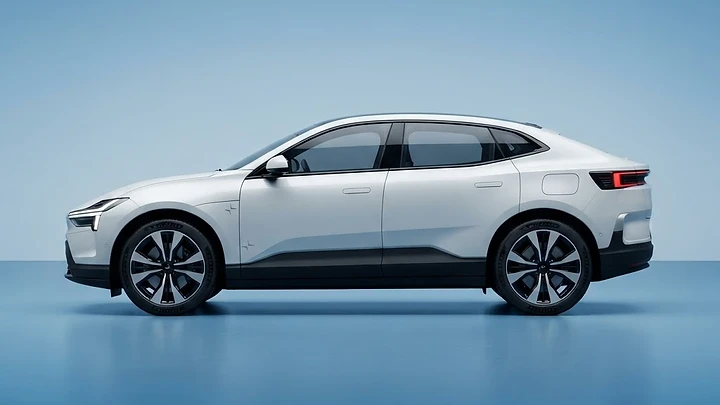
The most immediate benefit is convenience. Historically, a software bug or a recall related to a control module meant scheduling an appointment, finding a ride, and losing your vehicle for a day. Today, many of these issues are resolved while you sleep. Beyond convenience, there is the "value-add" factor. Some manufacturers are now using OTA updates to unlock performance boosts or comfort features after the point of sale. For instance, a 2026 electric SUV might receive an update that optimizes its thermal management system, effectively increasing its range by a few miles or improving charging speeds at public stations.
Are There Hidden Costs or Risks?
While the promise is bright, transparency is key. Not all OTA updates are free. Some automakers, particularly those moving toward subscription-based models, may require an active telematics subscription to receive these wireless improvements. If your subscription lapses, you might find yourself back at the dealership, potentially paying a service fee for an update that could have been delivered wirelessly. Furthermore, there is the question of reliability. While the risk of a "bricked" system is statistically low, it is not zero. Always ensure your vehicle has a stable connection and, if required, a sufficient state of charge—often 50% or higher—before initiating a major firmware update.

How to Evaluate OTA Capability Before You Buy
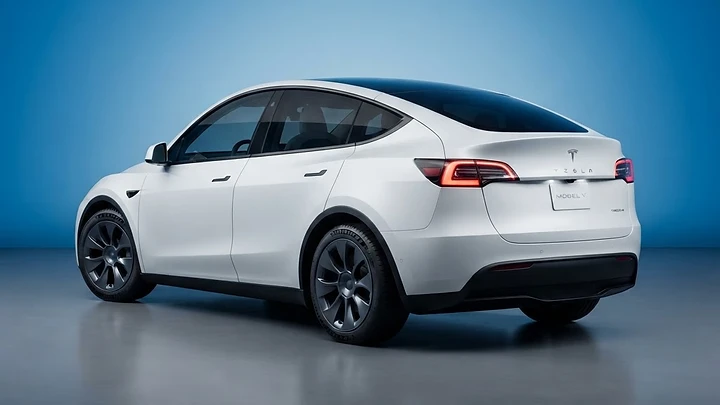
When shopping for your next vehicle, don't just look at the horsepower or the leather quality; ask the salesperson about the manufacturer's OTA strategy. Does the vehicle support full-vehicle updates, or is it limited to the infotainment screen? Is there a recurring cost to maintain the connectivity required for these updates? A vehicle that receives consistent, meaningful updates is a vehicle that holds its value better over time because it doesn't become obsolete the moment a newer model year hits the showroom floor.

Frequently Asked Questions
Q: Can an OTA update fix a mechanical problem? A: No. OTA updates can only address software, firmware, and electronic control unit (ECU) logic. If you have a physical issue like a worn brake pad or a leaking hose, you still need a traditional mechanic.
Q: Do I need Wi-Fi at home to get updates? A: Most modern vehicles use an integrated cellular connection (like 5G or LTE) to download updates. However, some manufacturers prefer or require a stable Wi-Fi connection for larger, more complex firmware files.
Q: What happens if an update fails mid-installation? A: Most systems are designed with a "fail-safe" mode. If an update is interrupted, the vehicle typically reverts to the previous stable version of the software, ensuring you aren't left stranded.
Q: Are OTA updates mandatory? A: While you can often delay them, some updates—especially those related to safety recalls—are critical. It is highly recommended to install these as soon as they are available to ensure your vehicle remains safe and compliant.

The Bottom Line
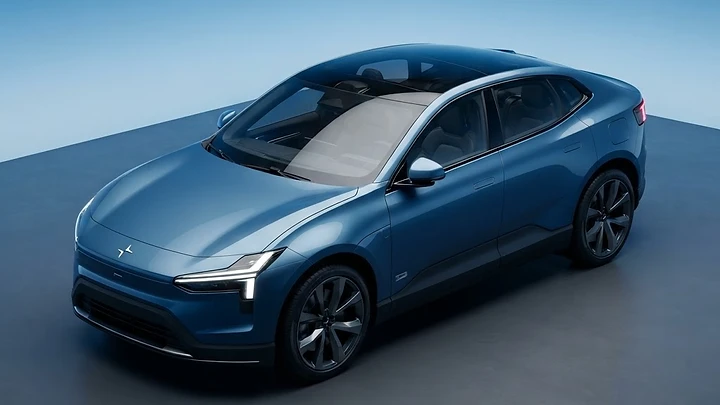
OTA technology is the most significant shift in car ownership since the invention of the automatic transmission. It turns your car into a living, evolving machine. When shopping in 2026, prioritize brands that have a proven track record of frequent, stable, and transparent software support. A car that gets better with age isn't just a luxury; it's the smartest way to protect your investment in an increasingly digital world. Do your research, ask about the long-term software support plan, and embrace the future of the open road.
The cars in this story
The real price and honest verdict on each one
Every model, side by sideMore car news

2026 Car Buying: How to Navigate High Prices and Tech
Buying a car in 2026? Discover how to navigate record-high prices, essential tech features, and shifting market trends to secure the best deal for your needs.

Software-Defined Cars: The 2026 Honest Buyer’s Guide
Are software-defined cars worth the hype? Discover how over-the-air updates and subscription features are changing the 2026 car buying experience.

Head-Up Displays: Are They Worth It in 2026?
Are head-up displays worth the upgrade in 2026? We break down the safety, tech, and real-world value of HUDs to help you decide if you need one.