Over-the-Air Updates: Is Your 2026 Car Getting Better?
Are over-the-air (OTA) updates actually improving your vehicle? We break down what you need to know about software-defined cars before you sign the contract.
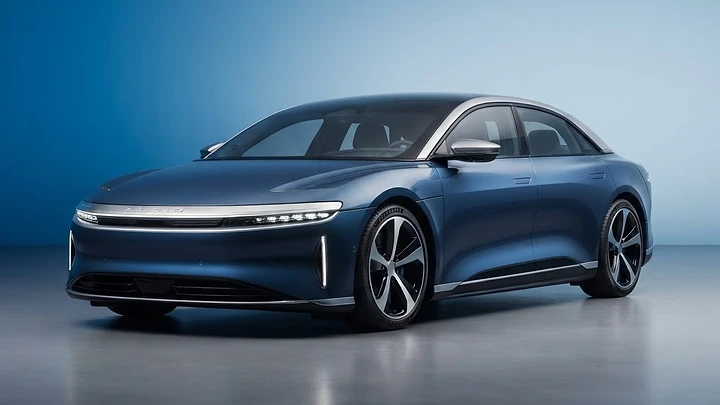
Imagine waking up on a crisp Tuesday morning to find your car has evolved overnight. While you slept, your vehicle’s onboard computer quietly downloaded a suite of enhancements, refining its braking logic, sharpening its infotainment interface, and even unlocking new efficiency modes. This is the promise of the modern software-defined vehicle, a marvel of engineering that transforms the traditional car-buying experience from a static purchase into a dynamic, long-term relationship. In 2026, the ability to receive over-the-air (OTA) updates is no longer a futuristic luxury; it is a fundamental pillar of automotive value that every American buyer must understand before heading to the dealership.
What Are Over-the-Air Updates and Why Do They Matter?
At its core, an OTA update is a wireless transmission of software that modifies your car’s operating system, much like a smartphone update. Manufacturers like Lucid, Volvo, and Hyundai are leading this charge, using OTA technology to push performance patches, security fixes, and feature additions directly to your driveway. For the consumer, this means your vehicle can age gracefully rather than becoming obsolete the moment it leaves the lot. Instead of scheduling a service appointment for minor software bugs or missing out on the latest interface improvements, your car simply gets better over time. However, not all OTA systems are created equal. Some manufacturers offer these updates for free for the life of the vehicle, while others may gate-keep major interface upgrades behind hardware processor swaps, as seen with recent infotainment updates for older luxury models. 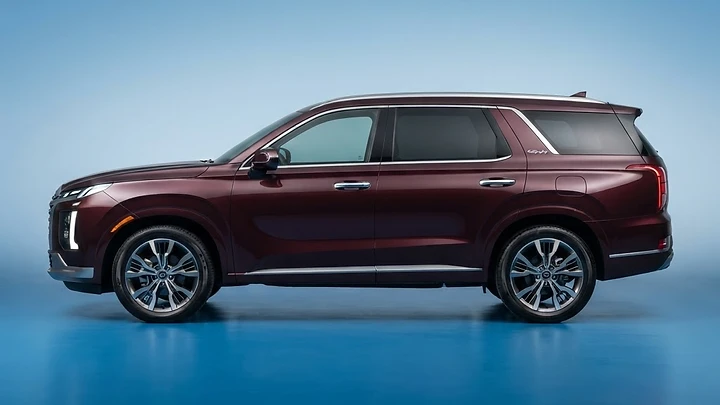
The Hidden Cost of Software-Defined Vehicles While the convenience of wireless updates is undeniable, buyers must be wary of the "subscription creep" that often accompanies connected car services.
As automakers look for recurring revenue, they are increasingly bundling features like advanced navigation, remote climate control, or even performance boosts into monthly or annual subscription models. When you are evaluating a 2026 model, such as the Hyundai Palisade or a high-tech EV, ask your salesperson specifically: "Which software features are included for the life of the car, and which require a subscription after the trial period?" Transparency at the point of sale is your best defense against hidden long-term costs. 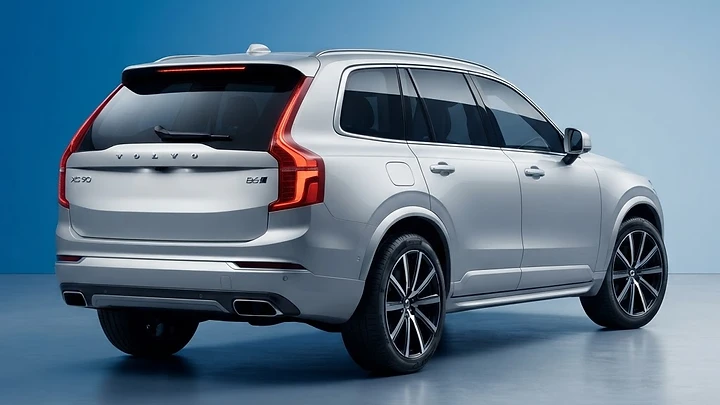

How to Evaluate Tech Before You Buy When you are test-driving a vehicle, it is easy to be dazzled by massive touchscreens and flashy augmented reality displays.
But as a smart buyer, you should look past the visual impact. Prioritize vehicles that offer robust, long-term software support. Check if the manufacturer has a track record of pushing regular updates and whether those updates are "staged" or "comprehensive." A vehicle that receives frequent, meaningful updates—like the Volvo models currently undergoing massive UX overhauls—is a much safer investment than a car with a stagnant software ecosystem. Always verify if the car supports wireless Apple CarPlay or Android Auto, as these integrations often provide a more reliable user experience than proprietary navigation systems that may eventually require a paid subscription to stay current. 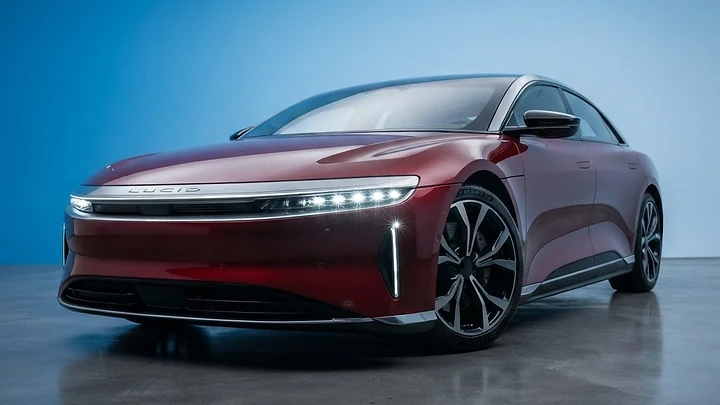

Frequently Asked Questions
Do all new cars come with over-the-air update capability?
No. While it is becoming standard in EVs and premium vehicles, many entry-level internal combustion engine (ICE) models still require a physical visit to a dealership for software updates. Always check the window sticker or ask the dealer specifically about OTA capability. #
Can an OTA update change my car's range or performance?
Yes. Manufacturers can adjust battery management systems, regenerative braking logic, and motor output via software. These updates can improve efficiency or provide a smoother driving experience, though they rarely change the fundamental hardware capabilities of the vehicle. #
Will my car stop receiving updates after a few years?
Most manufacturers provide security and bug-fix updates for a significant period, but feature-rich updates may eventually be limited by the vehicle's hardware. Some brands, like Lucid, offer hardware processor upgrades to allow older vehicles to run the latest software versions. #
Are OTA updates safe?
Yes, they are designed with multiple layers of security. Most systems require the vehicle to be parked and unplugged from a charger before an update can be installed, ensuring the process is safe and stable. 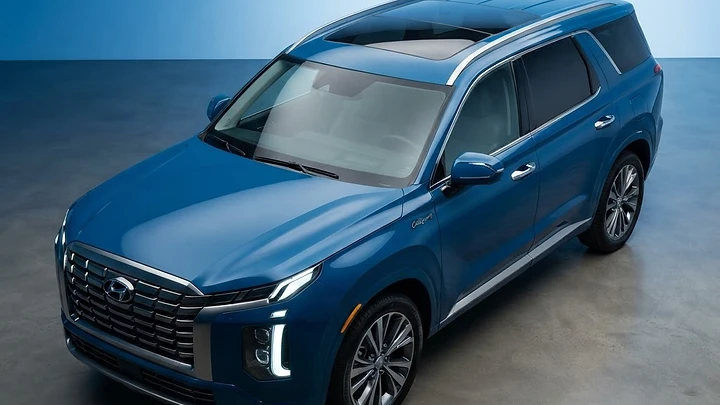

The Bottom Line In 2026, the smartest car-buying strategy is to view software as a critical component of the vehicle's total value.
Don't just look at the horsepower or the leather quality; look at the manufacturer's commitment to the digital life of the car. A vehicle that receives consistent, free OTA updates is an investment that pays dividends in longevity, safety, and user satisfaction. Before you sign, ensure you understand the difference between standard features and subscription-locked tech. By choosing a vehicle with a strong software foundation, you aren't just buying a car—you're buying a machine that will continue to surprise and delight you for years to come.
The cars in this story
The real price and honest verdict on each one
- 2026 Lucid AirLuxury Electric Sedan · from $70,900
- 2026 Hyundai PalisadeMid-Size SUV · from $39,435
- 2026 Dodge ChargerSports Car · from $49,995
- 2026 Volvo XC90Three-Row Luxury SUV · from $60,950
More car news

2026 Car Buying: How to Navigate High Prices and Tech
Buying a car in 2026? Discover how to navigate record-high prices, essential tech features, and shifting market trends to secure the best deal for your needs.

Software-Defined Cars: The 2026 Honest Buyer’s Guide
Are software-defined cars worth the hype? Discover how over-the-air updates and subscription features are changing the 2026 car buying experience.

Head-Up Displays: Are They Worth It in 2026?
Are head-up displays worth the upgrade in 2026? We break down the safety, tech, and real-world value of HUDs to help you decide if you need one.