Safest Cars of 2026: A Buyer’s Guide to Crash Protection
Shopping for a new vehicle? Discover the safest cars of 2026 based on the latest IIHS and NHTSA crash test data to protect what matters most to you.
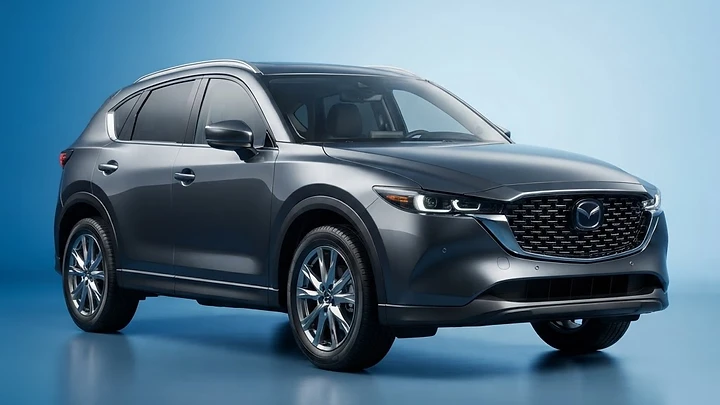
There is a profound, almost spiritual silence that settles over a well-engineered cabin when you are cruising down an open highway at dusk. It is the sound of confidence—the knowledge that beneath the sleek sheet metal, thousands of hours of rigorous engineering are working in harmony to protect you and your family. For the American car buyer in 2026, safety is no longer just an optional package or a luxury add-on; it is the foundation of the driving experience. As we navigate a market filled with advanced driver-assistance systems and evolving crash-test standards, understanding what truly keeps you safe is the most important step in your buying journey.
Decoding the 2026 Safety Landscape: IIHS vs.
NHTSA When you begin your search, you will encounter two primary authorities: the Insurance Institute for Highway Safety (IIHS) and the National Highway Traffic Safety Administration (NHTSA). The IIHS, a nonprofit funded by insurers, is famous for its stringent 'Top Safety Pick+' awards, which now require vehicles to excel in small-overlap front tests—simulating impacts with poles or trees—and demonstrate superior pedestrian crash prevention. Meanwhile, the NHTSA’s 5-Star Safety Ratings program remains the federal benchmark for frontal, side, and rollover protection. In 2026, the bar has been raised even higher. For instance, the 2026 Audi A6 and the 2026 BMW X1 have recently secured the coveted Top Safety Pick+ designation, proving that both luxury sedans and compact SUVs can achieve elite levels of occupant protection. 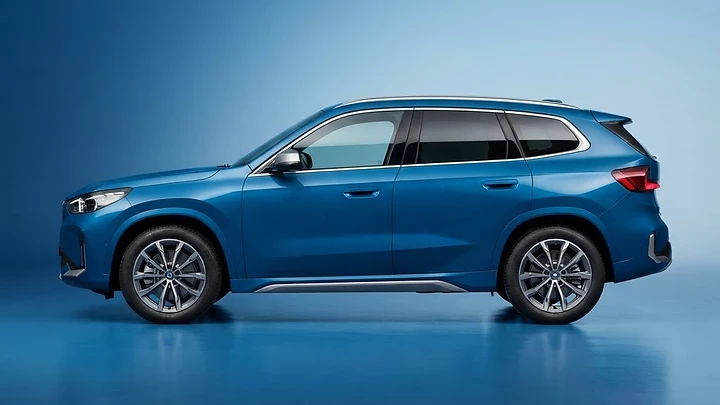
Why Size and Weight Still Matter in 2026 Despite the marvels of modern technology, physics remains undefeated.
Larger, heavier vehicles generally provide a greater buffer in multi-vehicle collisions compared to their lighter counterparts. However, this doesn't mean you must buy a massive truck to be safe. The 2026 Mazda CX-5, a compact SUV, has proven that thoughtful design and robust structural integrity can earn top-tier safety honors while remaining nimble and fuel-efficient. When shopping, look for vehicles that balance size with visibility. A vehicle that is too large to maneuver effectively in tight city traffic may be more prone to the very accidents you are trying to avoid. 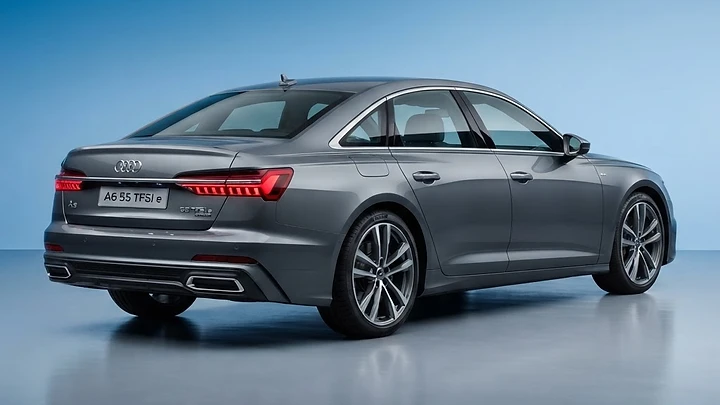

Essential Safety Tech: What Actually Works?
Not all 'safety' features are created equal. While ambient lighting and AI assistants are flashy, the features that save lives are often invisible. Look for standard Automatic Emergency Braking (AEB) that is capable of highway-speed operation and pedestrian detection. As of 2026, federal regulations have also mandated safety-belt alerts for all seating positions, a small but vital change designed to save dozens of lives annually. When evaluating a vehicle like the 2026 Subaru Crosstrek Hybrid, pay attention to how these systems are integrated. The best systems provide warnings that are helpful rather than distracting, ensuring you remain the primary pilot of your vehicle. 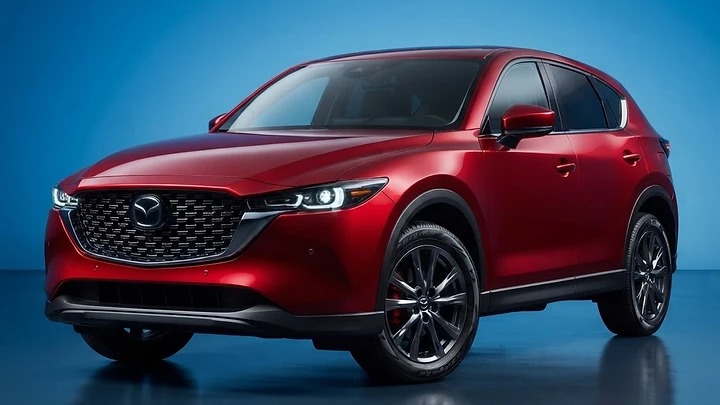

The Hidden Cost of Safety: Bundling and Transparency One of the most frustrating aspects of car buying is the 'option package' trap.
Some manufacturers bundle essential safety tech—like blind-spot monitoring or rear cross-traffic alerts—into expensive, high-trim packages. At Carummah, we believe in transparency. Before you head to the dealership, use online configurators to verify which safety features are standard on the base trim. If a manufacturer hides basic crash-prevention tech behind a $5,000 luxury upgrade, it is worth questioning their commitment to your safety. Always prioritize vehicles that make these life-saving systems standard across the entire lineup. 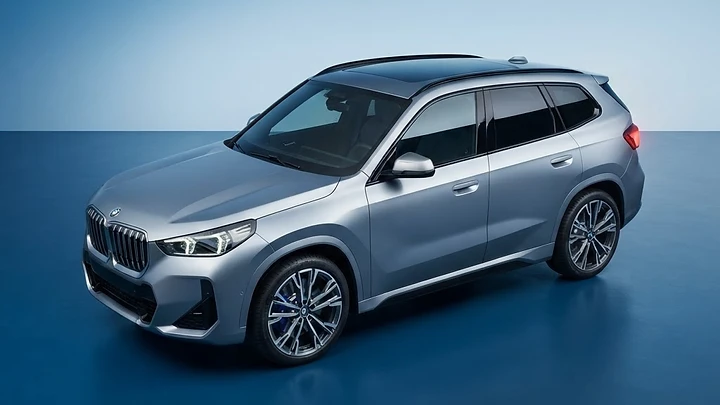

Frequently Asked Questions
What is the difference between IIHS Top Safety Pick and Top Safety Pick+?
The 'Plus' designation is the highest honor, requiring a 'Good' rating in the most challenging small-overlap front crash tests and superior performance in pedestrian front crash prevention. #
Do I need to pay extra for advanced safety features?
Not always. Many manufacturers now include AEB and lane-keeping assist as standard equipment. Always check the 'Standard Features' list on the manufacturer's website before negotiating. #
Are electric vehicles safer than gas cars?
Generally, EVs have a lower center of gravity due to the battery pack, which reduces rollover risk. However, safety is determined by structural design and crash-test performance, not just the powertrain. #
How often do safety ratings change?
Ratings are updated annually as testing criteria become more stringent. Always check the latest 2026 data on the IIHS or NHTSA websites before finalizing your purchase.
The Bottom Line Safety is the ultimate investment in your peace of mind.
When you choose a vehicle that has earned top marks from the IIHS or NHTSA, you are choosing to prioritize the well-being of your passengers. For 2026, we recommend focusing on vehicles like the Mazda CX-5 or the BMW X1 if you want a proven, high-performing safety profile. Remember: the most important safety feature in any car is an attentive, well-rested driver. Do your research, test drive with safety in mind, and never let a salesperson pressure you into a vehicle that doesn't meet your standards for protection.
The cars in this story
The real price and honest verdict on each one
- 2026 BMW X1Subcompact SUV · from $40,950
- 2026 Mazda CX-5Compact SUV · from $29,000
- 2026 Subaru CrosstrekCompact Crossover SUV · from $26,995
- 2026 Lucid GravityLuxury SUV · from $79,900
More car news

Safest Cars 2026: The Honest Buyer’s Guide to Protection
Buying a safe car in 2026? Discover how to navigate crash ratings, essential safety tech, and the models that offer the best protection for your family.

2026 Car Safety Tech: What Actually Keeps You Safe?
Confused by 2026 car safety tech? We break down what features actually save lives, which are worth the upgrade, and how to choose the safest car for your family.

Safest Family Cars 2026: The Honest Guide to Car Seat Fit
Finding the safest family car in 2026 goes beyond crash ratings. We break down which vehicles actually make installing car seats easy and stress-free.