Smart Car Buying: Navigating the 2026 Family Vehicle Market
Master the 2026 car buying landscape with our honest guide. Learn how to find the perfect family vehicle while navigating high prices and shifting tech trends.
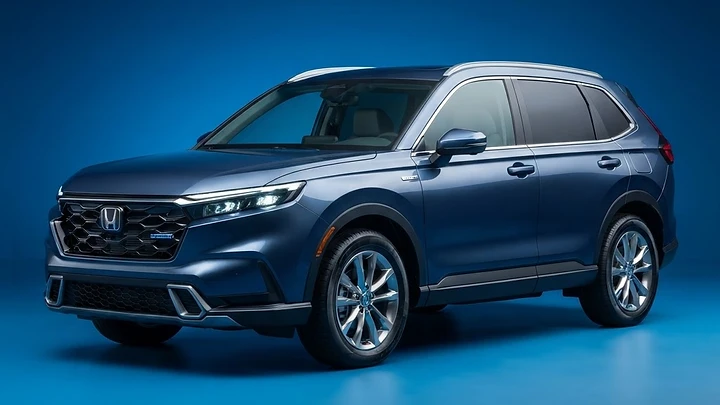
There is a specific, quiet magic in the early morning light hitting the driveway, illuminating the vehicle that serves as the heartbeat of your family’s life. It is more than just steel, glass, and rubber; it is the vessel for your most cherished memories—the cross-country road trips, the quiet school drop-offs, and the spontaneous weekend adventures. In 2026, the act of car buying has evolved into a complex puzzle of high interest rates, shifting inventory, and a dizzying array of new technology. Navigating this market requires more than just a budget; it demands a strategy rooted in transparency and long-term value.
Understanding the 2026 Market Landscape The 2026 automotive market is defined by a return to normalcy, yet it remains challenging for the average American household.
With new vehicle transaction prices hovering at historical highs, many buyers are feeling the pressure of affordability. However, there is a silver lining: inventory levels are finally stabilizing. As more consumers trade in their vehicles, the secondhand market is seeing a surge in quality options, providing a vital alternative for those looking to maximize their purchasing power. Whether you are eyeing a brand-new 2026 Honda CR-V Hybrid or a gently used midsize SUV, the key is to separate the marketing noise from the mechanical reality. 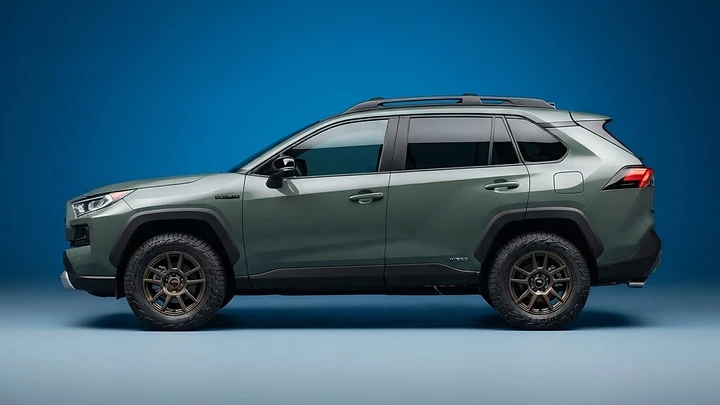
Prioritizing Safety and Family Utility When shopping for a family vehicle, the temptation to prioritize aesthetics or the latest infotainment screen is strong.
Yet, the most important metrics remain safety and utility. In 2026, look beyond the standard crash test ratings. Seek out vehicles equipped with robust active safety suites, including automatic emergency braking, rear cross-traffic alert, and blind-spot monitoring. These features are no longer luxury add-ons; they are essential tools for protecting your most precious cargo. For families, the LATCH anchor count and ease of car seat installation should be non-negotiable factors in your decision-making process. 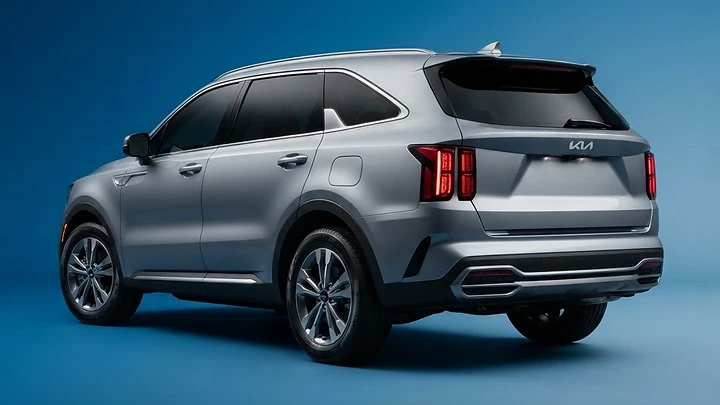

The Hybrid Advantage: Efficiency Meets Reliability As federal incentives for pure electric vehicles shift, the 2026 market has seen a massive pivot toward hybrid technology.
For many families, a hybrid offers the perfect middle ground—delivering impressive fuel economy without the range anxiety or charging infrastructure concerns associated with full EVs. Models like the Toyota RAV4 Hybrid or the Kia Sorento Hybrid provide the space families need with the efficiency that modern budgets demand. Choosing a hybrid is not just about saving at the pump; it is about investing in a powertrain that holds its value exceptionally well in a fluctuating fuel market. 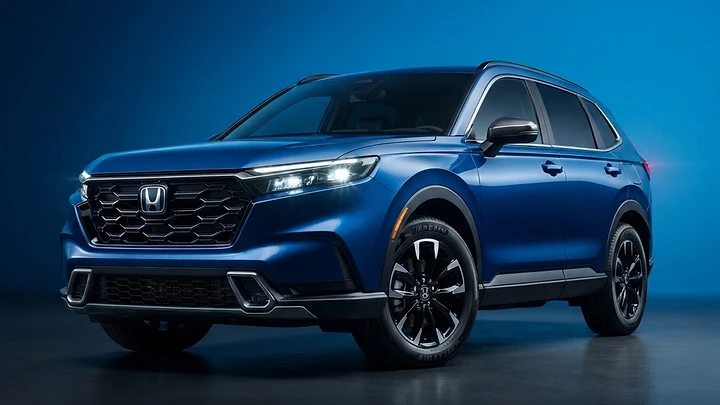

Financing and the Art of the Deal The most successful car buyers in 2026 are those who treat the dealership as a place of business, not a place of emotion.
Before you step onto the lot, secure your own financing through a credit union or local bank. This gives you a baseline interest rate and removes the dealership’s ability to manipulate your monthly payment through hidden fees or extended loan terms. Remember, a car is a long-term asset. Focus on the total cost of ownership—including insurance, maintenance, and depreciation—rather than just the monthly payment. 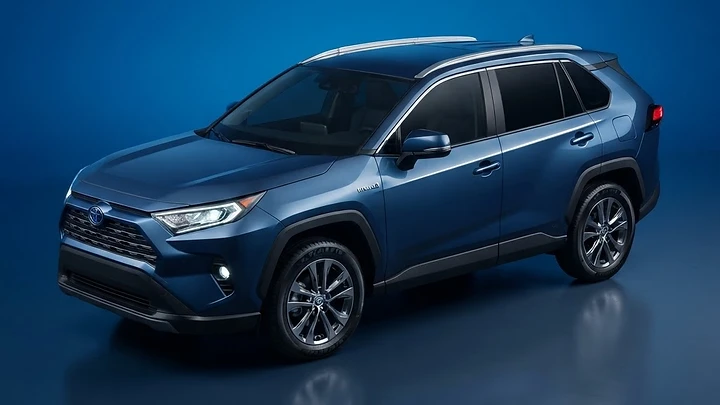

Frequently Asked Questions
Is it better to buy new or used in 2026?
Both have merits. New cars offer the latest safety tech and full warranties, while used cars allow you to bypass the steepest part of the depreciation curve. If you are budget-conscious, a 2-3 year old certified pre-owned vehicle often provides the best value. #
Are hybrids really worth the extra upfront cost?
In most cases, yes. The fuel savings over a 5-year ownership period often offset the initial price premium, and hybrids generally experience slower depreciation than their gas-only counterparts. #
What safety features should I prioritize for a family car?
Focus on active safety systems like automatic emergency braking, lane-keep assist, and rear cross-traffic alert. These systems are proven to reduce the frequency of common parking lot and highway accidents. #
How can I avoid dealership pressure?
The best defense is preparation. Research your target vehicle’s fair market price online, secure your financing beforehand, and be prepared to walk away if the final numbers do not align with your research.
The Bottom Line The 2026 car buying experience is about finding balance.
By focusing on reliable, fuel-efficient vehicles like the Honda CR-V Hybrid or the Toyota RAV4, you can secure a safe, capable family hauler that respects your budget. Do not rush the process; take the time to test drive, inspect, and negotiate with confidence. Your next vehicle is out there, and with the right approach, you can drive it home knowing you made a smart, transparent, and lasting investment in your family’s future.
The cars in this story
The real price and honest verdict on each one
- 2026 Toyota RAV4Compact SUV · from $31,900
- 2026 Honda CR-VCompact SUV · from $30,920
- 2026 Kia SorentoMid-Size SUV · from $31,990
More car news

Are Extended Car Warranties Worth It? The 2026 Honest Guide
Considering an extended car warranty? We break down the real costs, coverage gaps, and whether these service contracts actually protect your wallet in 2026.

Minivan vs. SUV: The 2026 Honest Family Buyer’s Guide
Choosing between a minivan and a three-row SUV in 2026? We break down the real-world differences in space, fuel economy, and family utility to help you decide.

Car Subscription vs. Buying: The 2026 Honest Buyer’s Guide
Is a car subscription better than buying or leasing in 2026? We break down the real costs, flexibility, and ownership trade-offs for your family lifestyle.