Smart Car Buying: Navigating the 2026 Market With Confidence
Buying a car in 2026 requires a new strategy. Learn how to navigate record prices, hybrid demand, and inventory shifts to secure the best deal for your family.
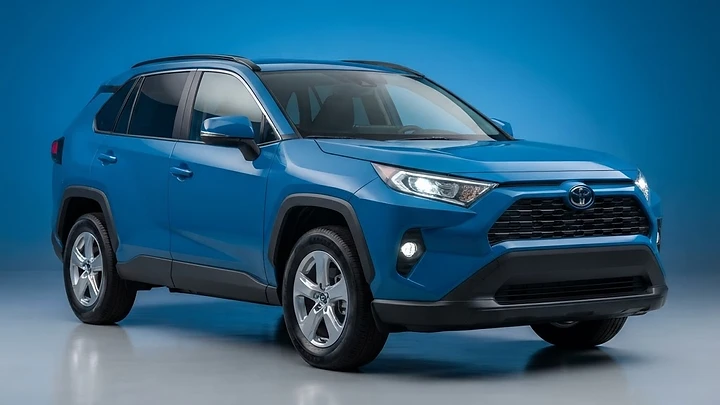
There is a unique, quiet magic in the moment you first grip the steering wheel of a new vehicle, feeling the promise of thousands of miles of memories waiting to be made. Whether it is the hum of a sophisticated hybrid engine or the silent, instant torque of an electric motor, the right car is more than just metal and glass—it is the vessel for your family’s next great adventure. However, in late 2026, the path to that driver’s seat has become more complex. With average transaction prices hovering near $50,562, navigating the dealership lot requires more than just a budget; it demands a clear, data-driven strategy to ensure you are not just buying a car, but investing in your family’s future.
Understanding the 2026 Market Landscape The automotive market in 2026 is defined by a fascinating tug-of-war between record-high prices and a resilient consumer appetite for value.
While new vehicle prices have remained stubbornly high, the days of extreme inventory shortages are largely behind us. We are seeing an 82-day supply of new vehicles, meaning you have more leverage than you might think. The key is to look past the sticker price and focus on the 'out-the-door' cost, which includes taxes, fees, and the often-overlooked cost of financing. If you are feeling the pressure of high interest rates, remember that qualifying for a loan is currently easier than it has been in years, provided you come prepared with your own financing pre-approval from a credit union or bank. 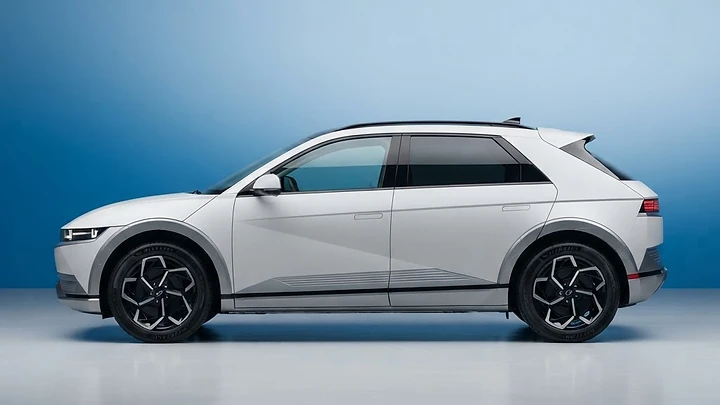
The Hybrid Surge: Why Families Are Choosing Efficiency As fuel economy remains a top priority, hybrids have officially moved from a niche choice to a mainstream necessity.
In states like California, hybrids now account for over 22% of new registrations. Models like the 2026 Toyota RAV4 Hybrid, with its impressive efficiency and proven reliability, offer a compelling balance for families who want to save at the pump without the range anxiety of a pure EV. When you compare a hybrid to a traditional gas-powered vehicle, calculate the 'break-even' point based on your annual mileage. For many, the slightly higher upfront cost of a hybrid is recouped within three years through fuel savings alone. 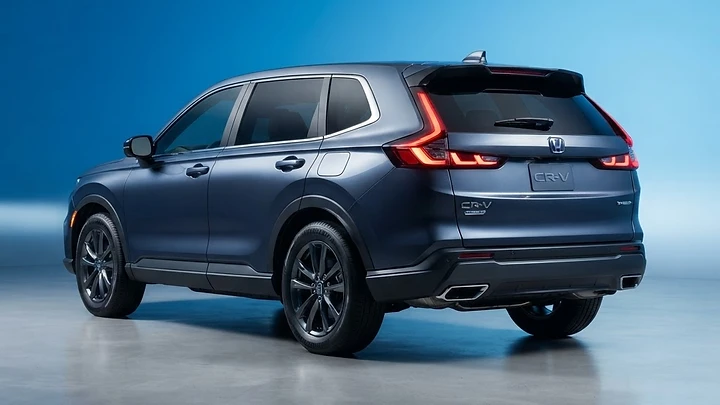

The Used EV Opportunity: A New Path to Ownership One of the most significant shifts in 2026 is the surge in the used electric vehicle market.
As the first major wave of leased EVs returns to dealer lots, supply has increased, making premium technology accessible at a fraction of the original MSRP. If you are considering an EV, look for models with a proven track record of battery health. A used 2026 Hyundai IONIQ 5 or similar long-range EV can be a transformative family vehicle, offering advanced safety tech and a whisper-quiet cabin that makes long road trips feel effortless. Always check the vehicle’s charging history and ensure you have a plan for home charging, which remains the most cost-effective way to own an electric car. 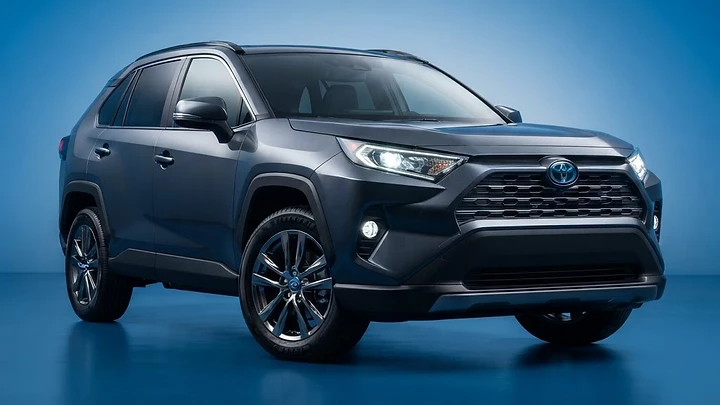

Mastering the Dealership Experience The most powerful tool in your arsenal is your willingness to walk away.
Dealerships are eager to move inventory, and they are often willing to negotiate on the 'total package' rather than just the vehicle price. Focus your conversation on the final price, not the monthly payment, as this is where hidden fees often hide. If a dealer insists on adding 'market adjustments' or unnecessary add-ons like nitrogen-filled tires or paint protection, be prepared to decline. Transparency is your right as a buyer. Bring your research, know the fair market value of your trade-in, and treat the process as a business transaction rather than an emotional one. 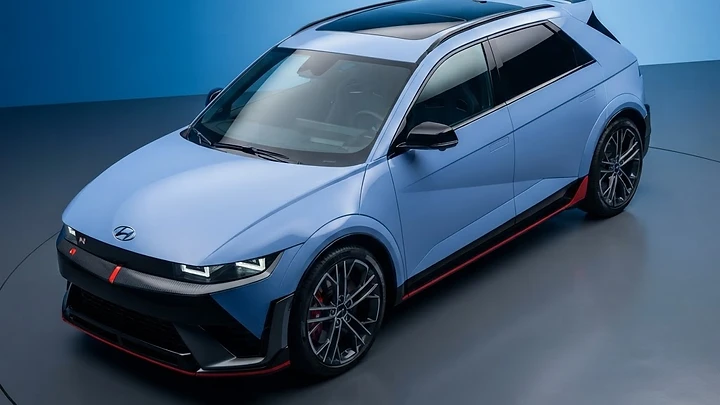

Frequently Asked Questions
Is now a good time to buy a new car?
Yes, if you are prepared. While prices are high, inventory is healthy, giving you more options to shop around and compare deals across multiple dealerships. #
Should I buy a hybrid or a gas car in 2026?
If you drive more than 12,000 miles a year, a hybrid will likely save you significant money on fuel. If you prioritize the lowest possible upfront cost, a traditional gas-powered compact car remains the most affordable entry point. #
How can I avoid hidden fees at the dealership?
Always ask for an itemized 'out-the-door' price sheet before signing anything. If you see fees you don't recognize, ask for them to be removed or explained in detail. #
Is it safe to buy a used electric vehicle?
Yes, provided you have the battery health inspected by a certified technician. The influx of lease returns has created a buyer's market for high-quality, pre-owned EVs.
The Bottom Line Buying a car in 2026 is about finding the intersection of your family’s needs and the current market reality.
Do not be swayed by the latest tech gimmicks if they don't serve your daily life. Prioritize reliability, fuel efficiency, and a total cost of ownership that fits your long-term financial goals. Whether you choose a fuel-sipping hybrid or a pre-owned EV, the best car is the one that gives you the freedom to explore without the burden of financial stress. Take your time, do your research, and remember that you are in the driver's seat of the deal.
The cars in this story
The real price and honest verdict on each one
Every model, side by sideMore car news

Car Subscription vs. Buying: The 2026 Honest Buyer’s Guide
Is a car subscription better than buying or leasing in 2026? We break down the real costs, flexibility, and ownership trade-offs for your family lifestyle.

Minivan vs. SUV: The 2026 Honest Family Buyer’s Guide
Choosing between a minivan and a three-row SUV in 2026? We break down the real-world differences in space, fuel economy, and family utility to help you decide.

Subcompact vs Compact SUV: The 2026 Honest Buyer’s Guide
Choosing between a subcompact and compact SUV in 2026? We break down the real-world differences in space, fuel economy, and value to help you decide.