Smart Car Buying: Navigating the 2026 Market With Confidence
Buying a car in 2026? Discover how to navigate high prices, find hidden value, and secure the best deal with our honest, transparent buyer's guide.
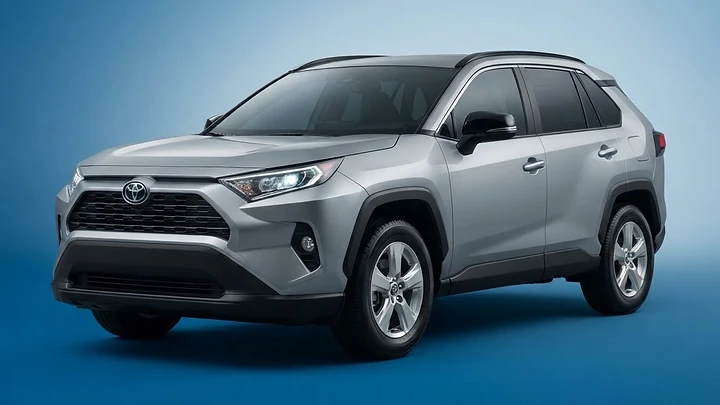
There is a unique, quiet magic in the moment you first grip the steering wheel of a new vehicle. It is the promise of open roads, the hum of precision engineering, and the freedom to carry your family toward new horizons. Yet, in 2026, that excitement is often tempered by the reality of a complex automotive market. With average transaction prices hovering near $50,000, the path to your next vehicle requires more than just a desire for a new ride—it demands a strategic, informed approach. At Carummah, we believe that transparency is the ultimate luxury, and navigating this market is entirely possible when you know where to look and how to advocate for your own financial health.
The New Reality of 2026 Car Pricing The automotive landscape has shifted significantly.
We are seeing a market divided between premium, high-demand luxury SUVs that clear dealership lots in under 30 days and a value-focused segment where buyers are increasingly prioritizing fuel efficiency and long-term reliability over flashy tech. If you are feeling the pressure of high interest rates and elevated MSRPs, you are not alone. Data shows that 71% of buyers enter the market without a fixed decision on what they will purchase, meaning the most successful buyers are those who remain flexible and research-driven. Instead of falling for the first shiny object on the showroom floor, focus on the total cost of ownership. A vehicle that costs $3,000 more upfront but offers superior fuel economy and a longer warranty can save you thousands over a five-year ownership cycle. 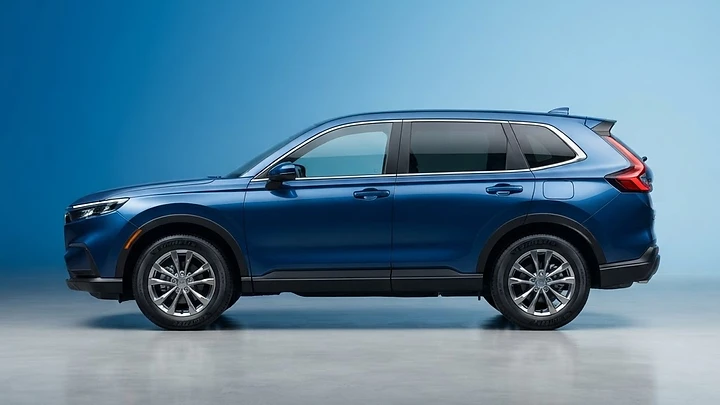
Timing Your Purchase for Maximum Leverage While the market is competitive, timing remains your greatest ally.
The fourth quarter of 2026 is a prime window for savvy shoppers. As 2027 models begin to arrive, dealerships are under immense pressure to clear out remaining 2026 inventory to meet year-end sales targets. This is when manufacturer incentives—such as consumer cash, low-APR financing, and dealer-specific bonuses—are at their most aggressive. Do not be afraid to ask specifically about "leftover" inventory. A brand-new 2026 model sitting on the lot in November is often a better financial decision than a three-year-old used vehicle that may carry higher interest rates and no factory warranty. 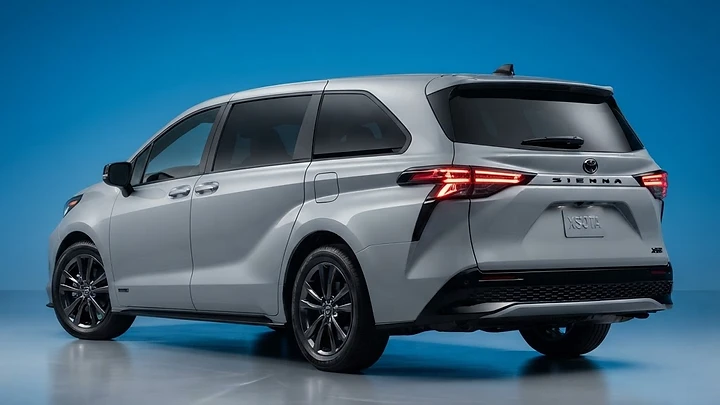

Why Affordability is the New Luxury In 2026, the smartest buyers are moving away from "feature creep" and toward "value-based utility." We are seeing a massive shift toward hybrids and efficient crossovers that offer the space families need without the premium price tag of full-size luxury SUVs. When evaluating your budget, look past the monthly payment. Dealers often use extended loan terms to make a car seem affordable, but this significantly increases the total interest paid over the life of the loan. Always negotiate the "out-the-door" price first, and treat financing as a separate, secondary conversation. 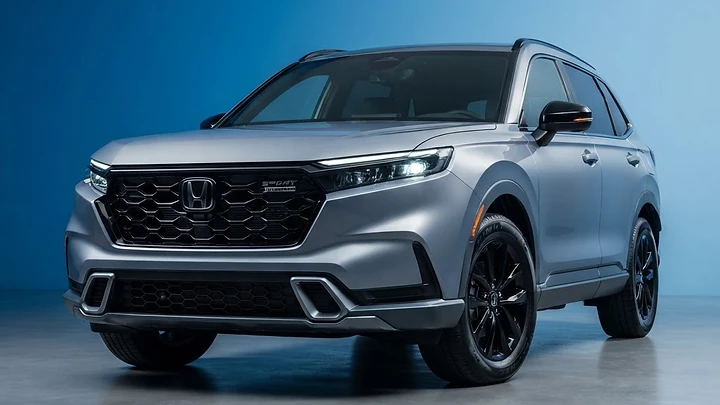

Frequently Asked Questions Is it better to buy a new or used car in 2026? With the current market, new cars often offer better value due to manufacturer incentives and full warranties. A three-year-old used car can sometimes cost nearly as much as a new one, making the new vehicle the more logical financial choice. What is the best time of year to buy? The end of the year (Q4) is historically the best time to buy, as dealers are motivated to clear out inventory to meet annual sales goals. How can I avoid dealership pressure? Use online "build-and-price" tools to know the exact market value of the car you want before you step onto the lot. Stick to your budget and be prepared to walk away if the final numbers don't align with your research. Are hybrids worth the extra cost? Yes, especially for families. The fuel savings and higher resale value of hybrids in 2026 often offset the slightly higher initial purchase price within just a few years of ownership. 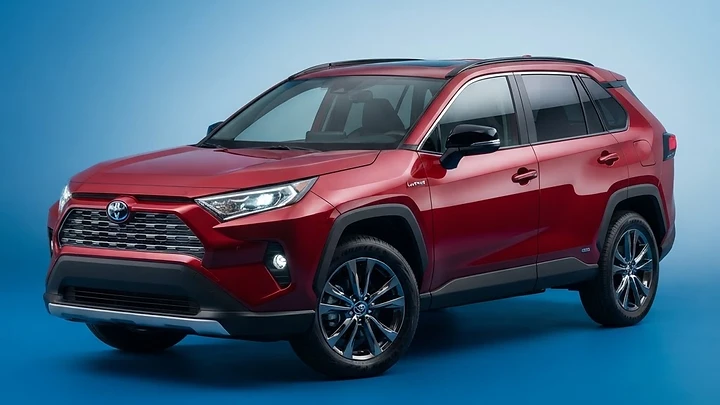

The Bottom Line The 2026 car market is not designed to make things easy for the buyer, but it is designed to reward the prepared.
By focusing on total cost of ownership, timing your purchase to coincide with dealer inventory cycles, and prioritizing utility over unnecessary tech, you can secure a vehicle that serves your family for years to come. Remember: you are in the driver's seat, both on the road and in the negotiation room. Stay patient, stay informed, and don't settle for anything less than complete transparency.
The cars in this story
The real price and honest verdict on each one
Every model, side by sideMore car news

2026 Car Buying: How to Navigate High Prices and Value
Navigating the 2026 car market requires strategy. Learn how to find value, manage high prices, and secure the right vehicle for your family without the stress.

Are Extended Car Warranties Worth It? The 2026 Honest Guide
Considering an extended car warranty? We break down the real costs, coverage gaps, and whether these service contracts actually protect your wallet in 2026.

Minivan vs. SUV: The 2026 Honest Family Buyer’s Guide
Choosing between a minivan and a three-row SUV in 2026? We break down the real-world differences in space, fuel economy, and family utility to help you decide.